Tax - free contributions

Search documents
Traditional IRA vs. Roth IRA: How to pick the right one
Yahoo Finance· 2025-12-05 18:45
Core Insights - The article discusses the differences between traditional and Roth IRAs, highlighting their tax advantages and factors to consider when choosing between them [1][4]. Tax Advantages - Both traditional and Roth IRAs offer tax-deferred earnings, meaning no annual taxes on capital gains, dividends, and interest earned within the account [1][2]. - Traditional IRAs provide up-front tax benefits through tax-free contributions, advantageous for those in a higher tax bracket today compared to retirement [5]. - Roth IRAs require taxes to be paid on contributions now, allowing for tax-free withdrawals in retirement, which can be beneficial for those expecting to be in a higher tax bracket later [6]. Contribution Limits - For 2025, the annual contribution limit for IRAs is $7,000, or $8,000 for individuals over 50. In 2026, limits increase to $7,500 and $8,600 respectively [7]. - Income limits for Roth IRA contributions are defined by modified adjusted gross income, with specific thresholds for single and married taxpayers [8][20]. Eligibility and Deductibility - Single taxpayers earning less than $153,000 can make full Roth IRA contributions, while those earning between $153,000 and $168,000 can make partial contributions [11]. - Traditional IRAs allow tax-free contributions under certain conditions, reducing taxable income, while Roth IRA contributions are after-tax and do not affect current income [10]. Access to 401(k) - Income does not limit contributions to traditional IRAs, but it may affect the deductibility of contributions if the individual has access to a workplace 401(k) [13]. - Non-deductible traditional IRA contributions may still be beneficial for tax-deferred growth if Roth contributions are not possible due to income limits [15]. Liquidity Needs - Roth IRAs have more flexible withdrawal rules, allowing contributions to be withdrawn at any time without penalties, making them a better option for emergency liquidity [16][17]. - Traditional IRAs impose taxes and penalties on early withdrawals of contributions or earnings [18]. Tax Outlook Considerations - Individuals may choose between traditional and Roth IRAs based on their expected tax bracket in retirement, with some opting to diversify contributions across both types [22].
Dells Donate Billions To Trump Accounts For Children—Here's Who Qualifies For The $250 Benefit
Investopedia· 2025-12-02 23:00
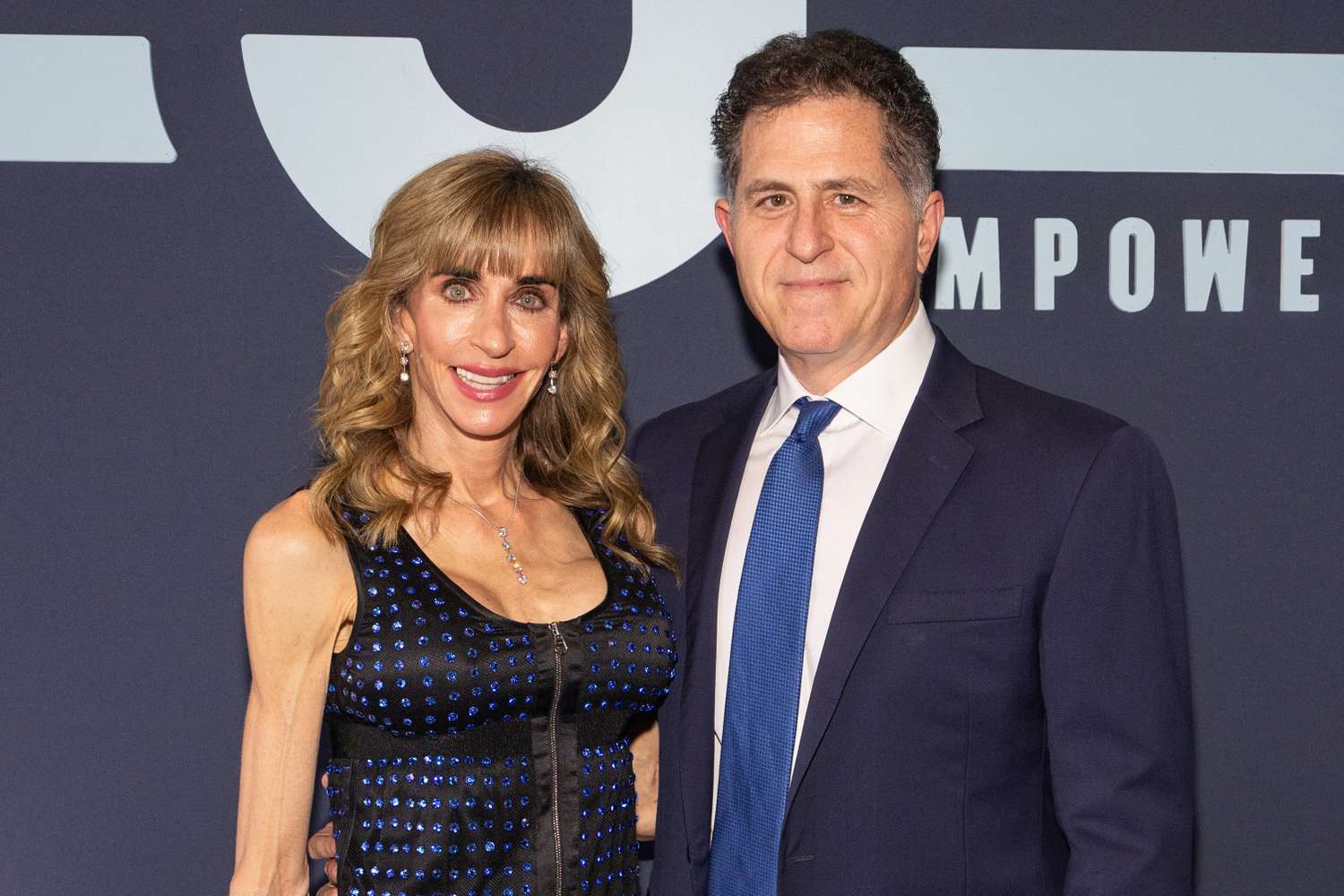
Core Insights - Michael Dell and his wife Susan Dell are set to donate $6.25 billion to fund Trump Accounts for children, aiming to create 25 million accounts with $250 seed funding each [2][3][7] Group 1: Donation and Purpose - The donation is intended to provide financial support to children, with Michael Dell emphasizing the importance of giving children a financial head start [3] - Trump Accounts were established under the Trump administration's 2026 federal tax law, the One Big Beautiful Bill Act (OBBA), designed for children under 18 [3][4] Group 2: Account Eligibility and Funding - The accounts will be available starting in 2026, with federal contributions of $1,000 for babies born between January 1, 2025, and December 31, 2028 [4][5] - Dell's funding aims to assist children not eligible for the federal seed money, specifically targeting those in households with a median income below $150,000 [5][8] Group 3: Account Features and Limitations - Trump Accounts have a $5,000 annual contribution limit, indexed for inflation, and children cannot access the funds until they turn 18 [11] - Contributions are made post-tax, and investment gains are taxed at ordinary income tax rates, which may make other investment options, like brokerage accounts, more appealing [11][12] Group 4: Contribution Sources - Contributions can be made by parents, employers, nonprofits, and the government, with employers and charities able to contribute up to $2,500 tax-free [13]