Technology leaks

Search documents
US policy threatens Elbit’s PULS deal with Greece
En.Globes.Co.Il· 2025-12-23 09:58
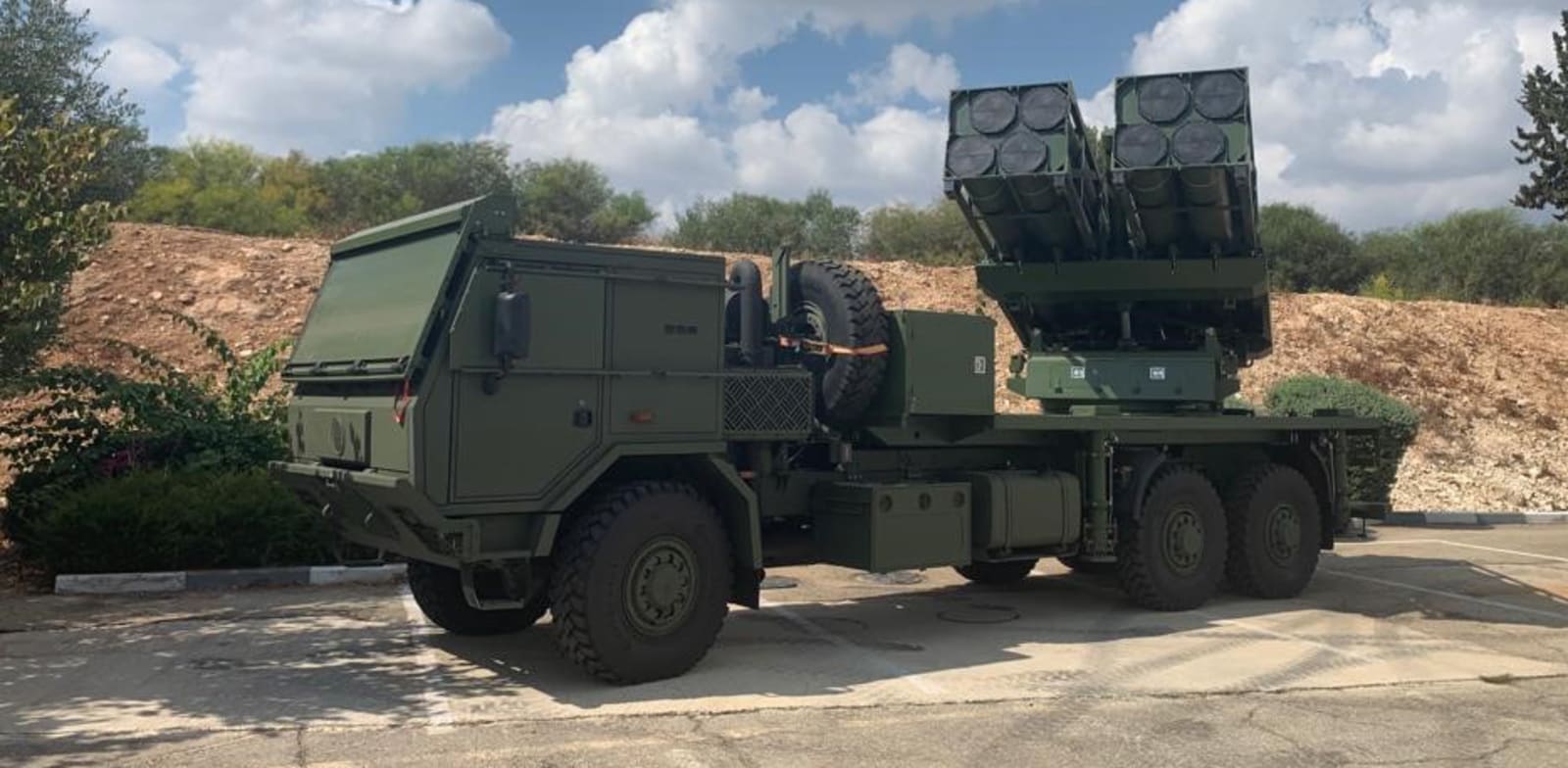
Core Viewpoint - Elbit Systems' PULS rocket artillery system has been selected by the Greek armed forces, with a contract value of approximately $812 million for 36 systems, but competition from Lockheed Martin remains significant [1][2]. Group 1: Contract Details - The Greek parliament and the Government Council for National Security (KYSEA) have approved a budget of about $812 million (€691 million) for the acquisition of 36 PULS systems [2]. - The contract award is contingent upon the completion of commercial negotiations with the Hellenic Ministry of National Defense [2]. - KYSEA's decision to approve the purchase was made about a week prior to Elbit's announcement [3]. Group 2: Competitive Landscape - Lockheed Martin, a primary competitor, has not abandoned its efforts to secure the contract from Greece [1]. - The U.S. has introduced measures that could disrupt Greek plans by restricting the use of U.S. rockets and missiles in Elbit's EuroPuls launchers, raising concerns about technology leaks [6][7]. Group 3: System Capabilities - Elbit's PULS system is designed to launch unguided rockets, precision-guided munitions, and missiles with various ranges, and is adaptable to existing platforms, which reduces maintenance and training costs [5]. - The U.S. is offering an alternative to Greece, proposing to upgrade 15 existing M270A0 MLRS systems and supply 15 new HIMARS systems for $500-600 million, which presents a competitive option [9]. Group 4: Strategic Implications - The U.S. measure raises questions among Greek security officials about the implications of acquiring PULS, particularly regarding the usability of existing rockets [8]. - Elbit's proposal includes at least 25% local production, which may align with Greece's broader defense ambitions, including a significant deal for a multi-layered missile protection system against Turkey [11][12]. - Greece's military modernization efforts are driven by a need to address technological lag and threats, particularly from Turkey, with a potential $3.5 billion deal for advanced air defense systems [13].