U.S.-Iran relations

Search documents
Trump says U.S. will destroy Iran's oil wells, Kharg Island without deal to 'immediately' reopen Hormuz Strait
CNBC· 2026-03-30 11:41
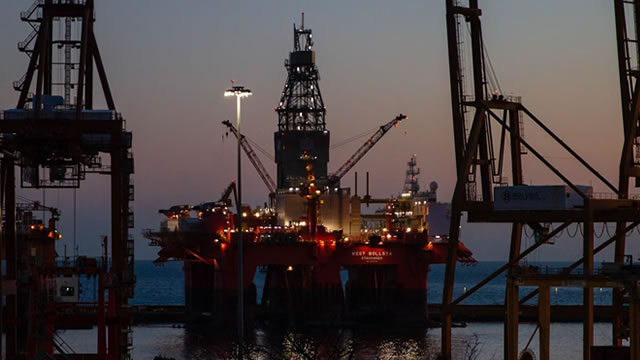
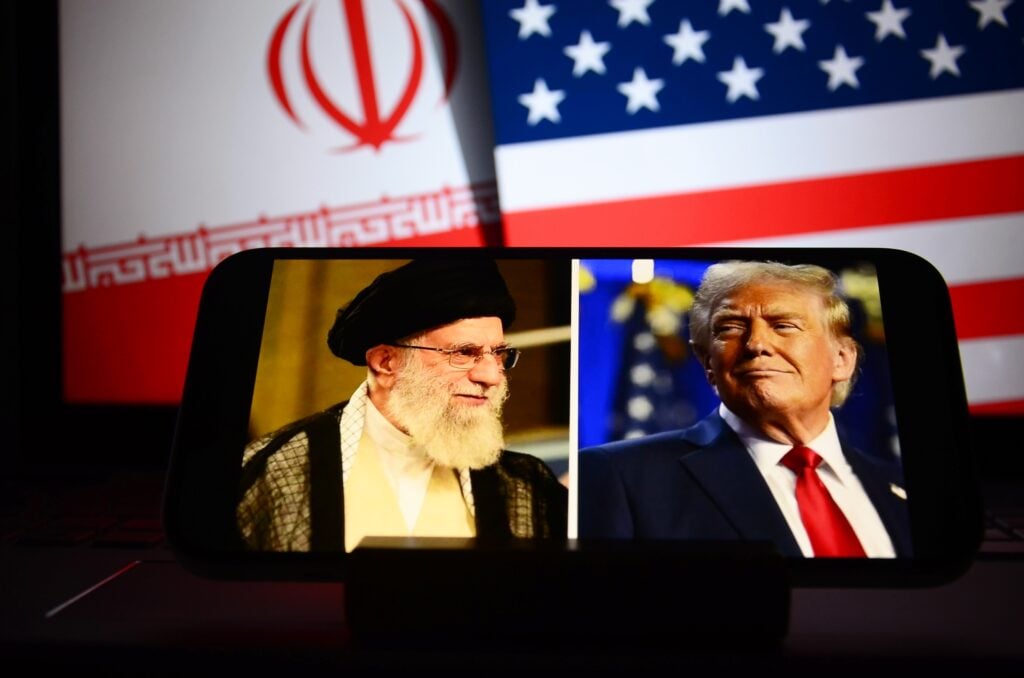
Core Viewpoint - The U.S. government, led by President Donald Trump, has issued a strong warning regarding Iran, threatening to destroy its electric generating plants, oil wells, and Kharg Island if the Strait of Hormuz is not reopened and a peace deal is not reached soon [1][2]. Group 1: U.S. Military Operations and Strategy - The U.S. is engaged in serious discussions with a new regime in Iran to potentially end military operations in the region [1]. - There is an emphasis on the urgency of reaching a deal, with the implication that failure to do so will lead to significant military action against Iran's infrastructure [2]. Group 2: Economic Implications - The potential destruction of Iran's electric generating plants and oil wells indicates a significant threat to the country's energy sector, which could have broader implications for global oil supply and prices [2]. - The mention of Kharg Island, a critical oil export terminal, highlights the strategic importance of this location in the context of U.S.-Iran relations and regional stability [2].

Trump says Iran let 10 oil ships through Strait of Hormuz as 'present' to U.S.
CNBC· 2026-03-26 16:29
Group 1 - Iran allowed 10 oil tankers to pass through the Strait of Hormuz as a gesture to the United States, indicating a desire to demonstrate its presence and reliability [1] - The U.S. has engaged in substantial talks regarding Iran, despite Tehran's denial of direct negotiations, with a 15-point framework for a peace deal presented through Pakistan [2] - Iranian state media reported that Tehran rejected a U.S. ceasefire offer and proposed its own conditions, including sovereignty over the Strait of Hormuz, which is crucial for oil shipping [3] Group 2 - U.S. officials claimed significant damage to Iran's military capabilities, with operations ahead of schedule, but acknowledged the ongoing challenge of Iran's ability to block the Strait of Hormuz, through which 20 million oil barrels pass daily [4] - The president emphasized the importance of eliminating any risk associated with the strait, noting that even a 1% failure could result in significant damage to valuable shipping assets [5]
President Trump Postpones Strikes Against Iran's Energy Infrastructure. Stocks Spike.
Barrons· 2026-03-23 11:22
Core Point - The U.S. will delay military strikes for five days following diplomatic discussions with another country [1] Group 1 - The decision to postpone strikes indicates a potential shift in military strategy [1] - The five-day delay may provide an opportunity for further negotiations or conflict resolution [1]

Understanding America’s complicated relationship with Iran
MSNBC· 2026-03-01 16:39
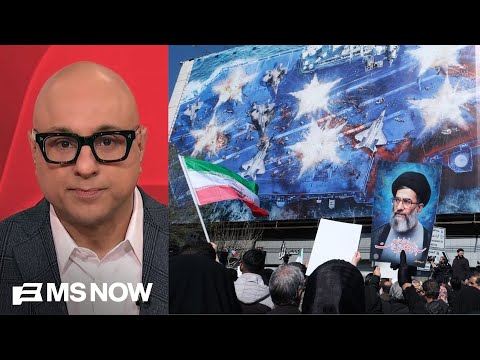
But before we get there, we must understand something of the history of the relationship between the United States and Iran. Because Americans and Iranians remember the same history very differently. In fact, I think if you ask 10 Americans to name the most important date in U .S.-Iran relations, most will say 1979. The revolution, the fall of the Shah, the hostage crisis. For Americans, that's where the story begins.But for many Iranians, it begins decades earlier. In fact, you could argue that it begins i ...
Trump Issues Warning To Iran After Khamenei's Death: 'Hit Them With A Force...Never Been Seen Before'
Benzinga· 2026-03-01 07:55
Core Viewpoint - President Donald Trump issued a strong warning to Iran following the death of Supreme Leader Ayatollah Ali Khamenei, cautioning against any aggressive actions and threatening unprecedented retaliation if Iran proceeds with its plans for a severe attack [1][2]. Group 1 - Trump communicated through his Truth Social account that Iran announced intentions to launch a significant attack, emphasizing that they should refrain from doing so [1][2]. - The warning was issued shortly after the confirmation of Khamenei's death by Iranian state media, which followed initial announcements from Israeli officials [2]. - Prior to Khamenei's death, Trump suggested the potential for regime change in Iran, indicating a shift in U.S. policy towards the country [3].
U.S.-Iran nuclear talks end, but with hope that negotiations continue. That still leaves the oil market in limbo.
MarketWatch· 2026-02-26 21:56
Core Insights - Nuclear talks on Thursday aimed to reduce uncertainty regarding U.S.-Iran tensions and concluded with a commitment to further discussions [1] Group 1 - The discussions were anticipated to alleviate concerns surrounding the geopolitical climate between the U.S. and Iran [1] - The outcome of the talks included a promise for continued dialogue, indicating a potential for future negotiations [1]
Oil slides over 4% as Trump signals Iran talks, easing supply shock fears
CNBC· 2026-02-02 04:24
Core Viewpoint - Oil prices are experiencing volatility due to geopolitical tensions between the U.S. and Iran, with recent military threats and diplomatic communications influencing market sentiment [1][3][4]. Group 1: Oil Price Movements - Oil prices rose more than 1.5% in Asian trade amid concerns of a potential U.S. military attack on Iran, which could disrupt supply from the region [1]. - Recently, oil prices reached a six-month high due to fears of a military strike against Iran, with Brent crude falling as much as 6.4% to $66.15 per barrel [3]. - The U.S. West Texas Intermediate futures also saw a decline of 4.75% to $62.11 per barrel [3]. Group 2: Geopolitical Context - President Trump has warned Iran of possible intervention if it does not reach a nuclear deal or continues to suppress domestic protests, which Iran claims are influenced by Western powers [2]. - Diplomatic communications between Washington and Tehran are ongoing, raising hopes for de-escalation of tensions [4]. - The U.S. administration's sensitivity to rising oil prices could prevent further escalation, especially with midterm elections approaching [5]. Group 3: Supply Dynamics - Additional supply from Venezuela is entering the market, contributing to available oil barrels despite global production exceeding demand [6]. - OPEC+ has decided to maintain current production levels, extending a three-month supply freeze, which is expected to support oil prices [7].
CNBC Daily Open: Iran has more avenues of retaliating against the U.S. — including oil supply
CNBC· 2026-01-12 07:34
Core Viewpoint - The situation in Iran has escalated into significant anti-government protests, prompting potential U.S. intervention, which could have major implications for global energy markets and geopolitical stability [1][2]. Group 1: Protests and Government Response - Protests in Iran have been ongoing for three weeks, initially sparked by inflation but evolving into broader anti-government unrest, resulting in over 500 fatalities due to government suppression [1]. - The U.S. government, led by President Trump, has expressed support for the protestors, indicating potential military, cyber, and economic responses, although no decisions have been finalized [2]. Group 2: Geopolitical Implications - Any escalation in U.S. actions against Iran could significantly impact global oil markets, particularly due to Iran's influence over the Strait of Hormuz, a critical route for oil transportation [3]. - Analysts highlight that Iran poses greater risks compared to previous U.S. targets, with capabilities to retaliate against U.S. interests in the region, particularly energy infrastructure [4]. Group 3: Iranian Officials' Stance - Iranian officials have warned of severe retaliation if the U.S. conducts strikes, targeting U.S. bases and Israel as legitimate targets in the event of an attack [5].