Residential Real Estate

Search documents
三墩北首个不限价新盘年后首开 产品卷疯了,价格要冲新高?
Mei Ri Shang Bao· 2026-01-28 23:25
Core Viewpoint - The real estate market in the San Dun North area is experiencing a stark contrast between the new project "Runqi Future City," which is attracting significant buyer interest, and the declining prices of second-hand homes in the same region [1][8]. Group 1: Project Overview - "Runqi Future City" is located above the Lianchi Road station of Metro Line 4 and features a temporary sales office and a model unit [2]. - The project is designed using the POD model, divided into two sections: the North area with 16 high-rise buildings and the South area with smaller buildings and commercial spaces [2]. - The North area includes main unit types of 125, 139, 175, and 235 square meters, while the South area primarily offers 110 square meter four-bedroom units [2]. Group 2: Market Dynamics - The San Dun North area has not seen new housing supply for three years, while surrounding areas continue to launch new projects, creating competitive pressure [5][6]. - The price of high-rise units in nearby projects has been fluctuating, with recent prices around 35,945 yuan per square meter, indicating a downward trend in the market [5][6]. Group 3: Advantages and Disadvantages - Advantages of "Runqi Future City" include direct access to the metro, proximity to a park, and a planned commercial area, which are expected to enhance its appeal [3]. - Disadvantages include potential noise from nearby highways and railways, which may affect the residential experience [3]. Group 4: Product Features - The 110 square meter model unit features a practical layout with four bedrooms and upgraded finishes, including central air conditioning and high-end kitchen appliances [4]. - The design emphasizes storage space and includes various modern amenities, such as a smart toilet and a beauty refrigerator [4]. Group 5: Price Trends - The anticipated pricing for "Runqi Future City" is expected to be in the higher range, with reports suggesting that the price for the 235 square meter unit may reach the 40,000 yuan per square meter mark [7]. - The second-hand home prices in the area have seen a significant decline, with some properties dropping below their original opening prices, indicating a challenging market environment [8][9].
5年后,多大面积的房子最受欢迎?内行人给出答案,庆幸自己选对了
Sou Hu Cai Jing· 2026-01-27 18:01
前两天跟一个做房产中介的朋友聊天,他说最近看房的人越来越理性了。不像10年前那样,买房就想着越大越好,现在大家都在琢磨一个问题:到底买多大 的房子最合适?我就好奇地问他,那照他的经验来看,5年以后什么面积的房子会最吃香。他给了我一个明确的答案,还说自己早就按这个标准给家里人出 主意了,现在看来确实选对了。 这个话题其实挺值得聊,毕竟对大多数家庭来说,房子是除了人生之外最重要的投资。我们购房的时候,总会陷入一种纠结,觉得面积越大越好,但现实生 活中又有很多我们没想到的问题。 这几年,房地产市场发生了很大的变化。不仅房价在调整,购房者的需求也在悄悄改变。人们不再盲目追求大面积,反而开始重新审视什么才是真正适合自 己的房子。从我接触到的各种信息来看,开发商也在不断调整户型设计,新建楼盘的主流户型也在发生明显的变化。 我在网上翻了不少数据。根据贝壳研究院公布的2025年房地产市场报告,70到100平方米的中等面积户型在一二线城市的成交占比已经上升到了32%左右。 而100平方米以上的大户型占比则有所下降,从前几年的45%左右跌到了现在的38%。这个变化看似不大,但说明购房者的选择确实在转向。 同时,各大房产网站的搜索 ...

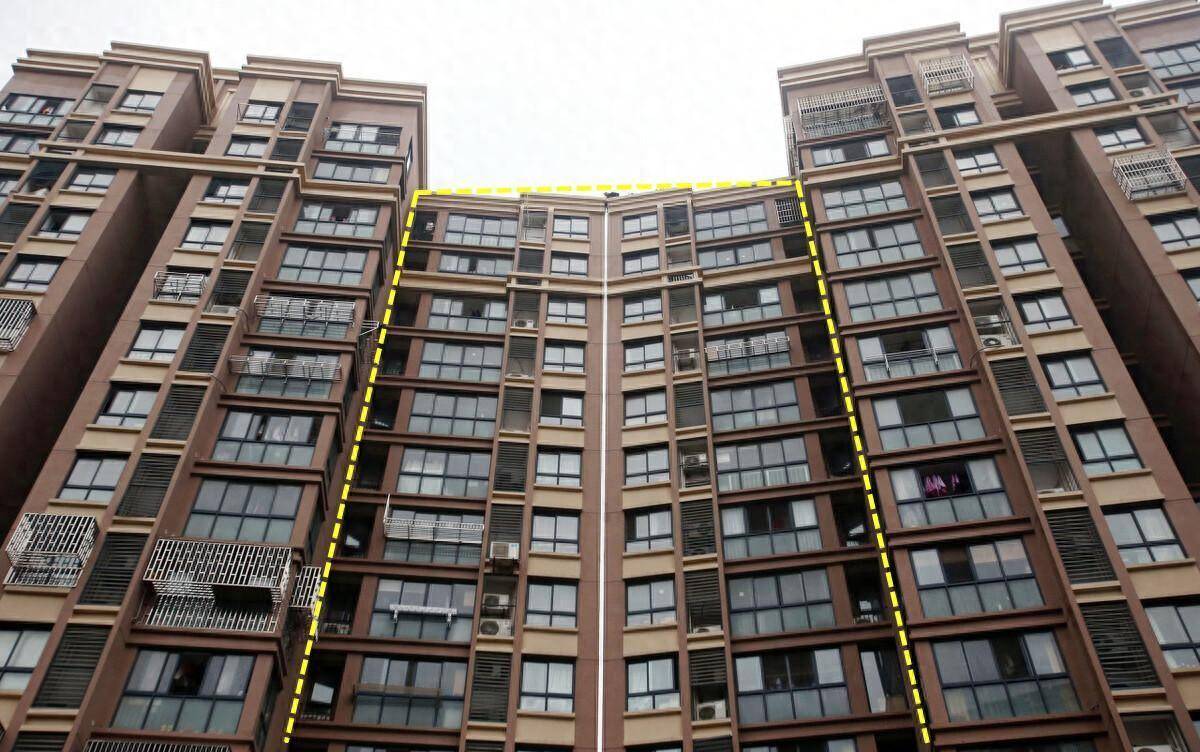
入住中间户3年后,我才恍然大悟,原来:边户才是最大的坑!
Sou Hu Cai Jing· 2026-01-27 17:15
有句话在买房圈流传甚广:能买边户,绝不能碰中间户。 几乎所有人都告诉你:边户采光好、看得远、南北通,是品质生活的保障;中间户则被冠以"憋屈"、"暗沉"、"不通风"的称号,成了次选。 3年前我买房时,手头有点紧,犹豫再三,最终还是选中间户。 当时交完定金后,心里紧张生怕一脚踩坑了,殊不知这套房子入住3年了,我是越住越顺,而当初咬牙买了边户的邻居,聚到一起聊天时眉头紧锁,抱怨声 就没停过。 刚买边户的时候,感觉真的十分美妙,大面积的窗户阳光充沛,站在阳台就能看全城,虚荣心满满。 但这"蜜月期"一过去,各种现实问题纷至沓来,住得越久心越凉。 有些话憋着,必须跟大家唠一唠,一起揭开"边户"鲜艳的外衣,看看里面藏着多少坑。 01、边户的"体面"背后,是一地鸡毛 边户的建筑面积,一般比中间户大得多,单价也更高,可是你真以为多花的钱,买到的是实用面积?太天真了! 有的边户户型为了追求"景观视野"、外观卖相,设计得那叫一个奇葩。 ①华而不实,面积浪费惊人 更离谱的是一部分边户客厅只配了飘窗,连个正儿八经晾晒的阳台都没有! L型、钻石型转角阳台看着好看,实际能用得上的角落驱逐可数;有些户型开间窄得像走廊,进深长得离谱,客厅和餐 ...
Offerpad to Release Fourth Quarter & Full Year 2025 Results on February 23rd
Businesswire· 2026-01-26 14:05
Group 1 - Offerpad Solutions Inc. will release its fourth-quarter 2025 financial results on February 23rd, 2026 [1] - A conference call to discuss the financial results and recent developments will be held at 4:30 p.m. ET / 2:30 p.m. MST on the same day [1] - The conference call will be available via live webcast on Offerpad's Investor Relations website, with a replay accessible afterward [1] Group 2 - Offerpad is focused on simplifying the home buying and selling process, providing comprehensive solutions to reduce friction in real estate transactions [2] - The company offers a range of services, including consumer cash offers, B2B renovation solutions, and industry partnership programs tailored to client needs [2] - Since its inception in 2015, Offerpad has utilized local expertise and proprietary technology to assist homeowners throughout the real estate process [2]


门头沟长安华曦府·金安取得3.5亿销售额
Cai Jing Wang· 2026-01-26 03:07
据悉,项目自2025年12月21日开盘以来,已经网签158套,成交均价44374.08元/㎡。项目共规划15栋7- 15层洋房社区,421套房源,建面78-118㎡三至四居四种户型,主打刚需、刚改低门槛小户型产品。 建面78-118㎡三至四居四种户型 1月19日-1月25日,北京市商品住宅成交504套,成交金额34.65亿元。其中,位于门头沟四道桥的长安 华曦府.金安以81套、0.78万㎡、3.5亿元的成绩,连续第二周成为全市新房网签周度套数、面积、金 额"三冠王"。 ...
中国经济展望:中国住房调研-情绪疲软,分化显著-China Economic Perspectives_ China Housing Survey_ weak sentiment, notable divergence
2026-01-26 02:50
Summary of China Housing Survey Insights Industry Overview - The document discusses the current state of the **Chinese housing market**, based on the **UBS Evidence Lab's China Housing Survey** conducted from **October 28 to November 18, 2025**, with **2,500 respondents** across mainland China [2][8]. Key Insights Housing Market Sentiment - **Housing purchase intention** and overall sentiment have shown a slight improvement but remain subdued compared to historical norms. The percentage of respondents planning to buy properties in the next two years increased to **30%**, up from **27%** in the previous year [8]. - **Selling intention** has also strengthened, with **17%** of homeowners planning to sell in the next 1-2 years, compared to **10%** previously [8]. Price Expectations - Over **50%** of respondents reported a decline in property prices over the past six months, with **tier 1 cities** experiencing the most significant deterioration [3][17]. - **42%** of respondents expect housing prices to decline further in the next 12 months, while only **19%** anticipate an increase [18]. - The average new and secondary residential prices fell by over **12%** and **21%** from peak levels by December 2025, respectively [17]. Divergence Among City Tiers - There is a notable divergence in sentiment among different city tiers. **Tier 1 cities** reported the sharpest price declines and increased paper losses, while **tier 3 cities** saw a slight improvement in sentiment due to previous sharp declines in prices [4][10]. - **11%** of respondents in tier 3 cities reported stronger confidence compared to **0%** in tier 1 cities [10]. Economic Factors Influencing Sentiment - Concerns over stalled projects have eased, but they remain a significant factor depressing sentiment. Respondents indicated that further property policy easing, including mortgage rate cuts and improved salary growth, are crucial for boosting confidence [5][34]. - The **People's Bank of China (PBC)** is expected to cut policy rates by **10-20 basis points** in 2026, potentially leading to **30-40 basis points** in mortgage rate cuts [6][39]. Wealth Effect and Consumption - The negative wealth effect is likely to continue impacting household consumption, with **52%** of homeowners reporting paper losses [22]. The average mortgage servicing burden is **27.1%** of monthly income, slightly higher than previous surveys [22]. - The combination of increased paper losses and a high debt servicing burden suggests ongoing constraints for household consumption, although a recent equity market rally may provide some offset [22]. Future Outlook - The property downturn in China is expected to persist into **2026-2027**, albeit with smaller declines in property sales and investment (projected **5-10%** decline in 2026 compared to **-9%/-17%** in 2025) [6][39]. - The sustainability of the marginal improvements in sentiment, particularly in tier 3 cities, remains questionable given the latest weak market data [10][19]. Additional Considerations - The survey indicates that **government assistance** in cash or coupons is viewed as a significant boost to confidence, with **23%** of respondents citing it as important [9]. - The shift from pre-sale schemes to completed-only projects is expected to continue, which may alleviate concerns over project delivery [29]. This summary encapsulates the key findings and insights from the UBS Evidence Lab's China Housing Survey, highlighting the current challenges and potential future developments in the Chinese housing market.
三四线城市房子无人买,房价为何还不下跌?内行人透露实情
Sou Hu Cai Jing· 2026-01-25 19:23
这两年,很多人回老家都会有一个直观感受:新小区不少,亮灯却不多;中介门店还在,但看房的人明 显少了。按理说,买的人少了,房价应该往下走,可现实却是,不少三四线城市的房价并没有想象中那 样"大跳水"。 于是问题就来了——房子不好卖,为什么价格还能撑在那里?在不少内行人看来,这背后并不是一 句"死扛"这么简单,而是多种现实因素叠加的结果。 看着没人买,其实是"成交慢"而不是"彻底没人要" 很多人判断市场,习惯只看身边的热闹程度。售楼处冷清、中介闲坐,就下结论说"已经没人买了"。但 从真实交易来看,更准确的说法是:成交节奏慢了。 以前可能一个月卖十几套,现在变成三五套,数量确实降了,但并没有完全停摆。只要还有零星成交, 价格就不会立刻松动。对卖方来说,卖得慢,和卖不掉,心理状态完全不同。 只要还抱着"再等等就有人接盘"的预期,降价的动力就不会太强。 价格一旦松动,整个小区的心理预期都会被打破,这反而是很多房主最不愿意看到的结果。 土地和建房成本,已经把价格"托住"了 很多房子,其实已经不指望短期卖掉了 在三四线城市,房子的持有者构成很复杂。有的是本地家庭的第二套、第三套,有的是早些年置换留下 的旧房,还有的是开发商 ...
10年后,多大面积的房子“最吃香”?内行人说出答案,你选对了吗
Sou Hu Cai Jing· 2026-01-25 03:06
从2024年开始,各种鼓励老百姓购房的利好政策从未间断。比如,除一线城市核心区域外,大多数城市都已经全面取消限购政策。银行把房贷利率从之前的 5.88%,降到现在3.2%。首付比例从30%,降到了15%。税务部门也减免了契税和增值税率。这对于刚需家庭来说,无疑是买房的好机会。于是,就有不少 购房者提出:10年后,多大面积的房子"最吃香"? 实际上,住在100-125平米房子里的人,既不会觉得太奢侈,也不至于太局促,普遍感觉很舒服。小孩在家里有活动空间,父母过来住也不会觉得太拥挤, 就算在家办公也有独立的区域。而如果你购买的是60-70平米的房子,家人都挤在一个空间里,会觉得很不舒服,别看只有几十平米的面积差距,生活质量 存在巨大差异。 第二,还贷压力也不会很大 现在房贷利率越来越低,并且已经创下了历史新低。从前些年的5.88%,下跌至现在的3.2%,未来还有继续下调空间。如此一来,购买100-125平米的房子, 与购买70-80平米的房子相比,每月也只不过多了几百元房贷。但是,购买面积在100-125平米的房子,居住体验却明显高出不少。事实上,购买100-125平米 面积的房子,对于中产家庭还是比较合适。 第 ...

Grant Cardone: A home is a ‘terrible investment’ since it ‘ain’t your house.’ How to tap real estate without a mortgage
Yahoo Finance· 2026-01-24 11:53
Core Viewpoint - Real estate mogul Grant Cardone argues that buying a home is not a smart investment and suggests renting instead, advocating for investing in cash-flowing real estate properties [4][5]. Group 1: Homeownership Costs - The median monthly ownership costs for U.S. homeowners with a mortgage increased by approximately 4% from 2024 to 2025, with homeowners spending over 20% of their income on additional homeownership costs [2][3]. - Ongoing costs associated with homeownership include property taxes, insurance premiums, repairs, and maintenance, which can accumulate significantly even after the mortgage is paid off [3][4]. Group 2: Investment Alternatives - Cardone recommends investing in various types of real estate that generate cash flow, such as retail, storage, apartment buildings, and farmland, rather than purchasing a home to live in [5][18]. - Investment platforms like Arrived allow individuals to invest in shares of vacation and rental properties, providing a passive income stream without the responsibilities of being a landlord [6][7]. Group 3: Multifamily Investment Opportunities - Cardone suggests starting with multifamily investment properties, recommending a minimum of 32 units to mitigate the impact of vacancies [8]. - Lightstone DIRECT offers accredited investors direct access to institutional-quality multifamily opportunities, enhancing transparency and control while reducing fees [10][11]. Group 4: Farmland as an Investment - U.S. farmland values have increased, averaging $4,350 per acre in 2025, a 4.3% rise from 2024, making it a potentially resilient long-term investment [19][20]. - Publicly traded REITs and platforms like FarmTogether provide opportunities for investors to participate in agricultural land investments without direct ownership [21][22].
CENTERSPACE ANNOUNCES 2025 DIVIDEND ALLOCATIONS
Prnewswire· 2026-01-22 21:30
Core Viewpoint - Centerspace (NYSE: CSR) announced the tax treatment for 2025 distributions on its common shares, advising shareholders to consult personal tax advisors for specific tax implications [1]. Distribution Details - The cash distribution per share for common shares on various dates is as follows: - $0.750000 on January 13, 2025, with a record date of December 30, 2024 [2] - $0.770000 on April 8, 2025, with a record date of March 28, 2025 [2] - $0.770000 on July 10, 2025, with a record date of June 27, 2025 [2] - $0.770000 on October 10, 2025, with a record date of September 29, 2025 [2] - $0.191287 on January 12, 2026, with a record date of December 30, 2025 [2] - Total distributions for the year amount to $3.251287 per share, with $0.990004 classified as ordinary dividends [2]. Company Overview - Centerspace is an owner and operator of apartment communities, founded in 1970, currently managing 61 communities with 12,262 homes across several states including Colorado, Minnesota, and Utah [4]. - The company has been recognized as a top workplace for six consecutive years by the Minnesota Star Tribune [4].