
Aerospace and Defense

Search documents
Compared to Estimates, Teledyne (TDY) Q2 Earnings: A Look at Key Metrics
ZACKS· 2025-07-23 14:31
Core Insights - Teledyne Technologies reported revenue of $1.51 billion for the quarter ended June 2025, reflecting a year-over-year increase of 10.2% and surpassing the Zacks Consensus Estimate of $1.47 billion by 2.84% [1] - The company's EPS for the quarter was $5.20, up from $4.58 in the same quarter last year, exceeding the consensus EPS estimate of $5.02 by 3.59% [1] Financial Performance - Net Sales in Instrumentation reached $367.6 million, exceeding the average estimate of $358.77 million by analysts, with a year-over-year increase of 10.2% [4] - Aerospace and Defense Electronics generated $264.8 million in Net Sales, surpassing the average estimate of $242.22 million and showing a significant year-over-year growth of 36.2% [4] - Engineered Systems reported Net Sales of $110.3 million, slightly above the average estimate of $110.19 million, with a year-over-year increase of 3.3% [4] - Digital Imaging achieved Net Sales of $771 million, exceeding the average estimate of $754.99 million, representing a year-over-year growth of 4.3% [4] Operating Income - Operating Income for Instrumentation was $101.6 million, surpassing the average estimate of $94.4 million [4] - Digital Imaging's Operating Income was reported at $119.6 million, slightly below the average estimate of $121.34 million [4] - Aerospace and Defense Electronics had an Operating Income of $66.6 million, exceeding the average estimate of $59.85 million [4] - Engineered Systems reported Operating Income of $12.1 million, above the average estimate of $10.24 million [4] - Corporate expenses were reported at -$21.7 million, worse than the average estimate of -$19.75 million [4] Stock Performance - Teledyne's shares have returned +12.4% over the past month, outperforming the Zacks S&P 500 composite's +5.9% change [3] - The stock currently holds a Zacks Rank 3 (Hold), indicating expected performance in line with the broader market in the near term [3]



General Dynamics(GD) - 2025 Q2 - Earnings Call Transcript
2025-07-23 14:00
Financial Data and Key Metrics Changes - Earnings reported at $3.74 per diluted share on revenue of $13 billion, with operating earnings of $1.3 billion and net income slightly over $1 billion, reflecting an 8.9% revenue increase year-over-year [4][5] - Operating earnings increased by almost 13%, net earnings up 12%, and earnings per share up 14.7% compared to the previous year [5] - Year-to-date revenue reached $25.3 billion, up 11.3%, with operating earnings nearly $2.6 billion, up 17.4%, and earnings per share up $1.26 or 20.5% [5][6] Business Segment Data and Key Metrics Changes - Aerospace segment revenue was $3.06 billion, a 4.1% increase, with operating earnings of $403 million, up 26.3% year-over-year [13][14] - Marine systems segment revenue increased by 22.2% to $4.22 billion, with operating earnings up 18.8% [24] - Combat Systems revenue was flat at $2.28 billion, but operating earnings increased by 3.5% to $324 million [28] - Technologies segment revenue was $3.5 billion, up 5.5%, with operating earnings of $332 million, up 3.8% [32] Market Data and Key Metrics Changes - The overall book-to-bill ratio for the company was 2.2 to 1, with marine systems being the largest driver [6][7] - Aerospace had a book-to-bill ratio of 1.3, indicating strong demand across the Gulfstream product line [7] - The total estimated contract value reached over $160 billion, an all-time high, with a record backlog of $103.7 billion, up 14% from the previous year [8] Company Strategy and Development Direction - The company aims to optimize operating leverage across all business units, focusing on cash generation and disciplined contract management [41][42] - Continued investment in supply chain improvements and workforce training to enhance productivity and throughput in the marine segment [26][68] - The company expects to maintain strong demand in aerospace, with a focus on increasing deliveries and improving margins over time [18][43] Management's Comments on Operating Environment and Future Outlook - Management expressed confidence in a strong second half of the year, with expectations for improved cash conversion rates and continued growth in revenue and earnings [9][46] - The company anticipates challenges in the defense sector due to budget and program prioritization but remains optimistic about growth opportunities in Europe [30][31] - Management noted that the aerospace segment is expected to see margin pressures in 2028 due to the introduction of lower-margin aircraft [94] Other Important Information - The company generated $1.6 billion in operating cash flow, with a free cash flow of $1.4 billion for the quarter, yielding a cash conversion rate of 138% [8][11] - Capital expenditures were $198 million, with plans for increased spending in the second half of the year [10] - The effective tax rate for the quarter was 17.7%, slightly lower than the full-year outlook of around 17.5% [11][12] Q&A Session Summary Question: Can you elaborate on the G800 delivery cadence? - The first G800 is expected to deliver soon, with higher incremental margins than the G700 due to lower developmental costs [50][52] Question: Why has there been a slowdown in services? - The slowdown is attributed to the mix of services and volume, with expectations for continued growth aligned with the fleet [54][56] Question: What is driving the margin pressure in technologies? - The margin pressure is due to the fluidity in the market and the pace of contract award activity, which has been slower than normal [58][60] Question: Can you discuss the significant revenue increase in the marine segment? - The increase was driven by construction volume from Virginia and Columbia class submarines, with a focus on improving productivity at shipyards [64][66] Question: What is the outlook for aerospace margins? - Achieving high teens margins will require a combination of increased deliveries and improved mix, with expectations for gradual improvement [71][72] Question: How will the management reorganization affect operations? - The reorganization aims to enhance operating performance and leverage across all business units while maintaining current management structures [76][78]

TE Connectivity(TEL) - 2025 Q3 - Earnings Call Transcript
2025-07-23 13:30
Financial Data and Key Metrics Changes - The company reported third quarter sales of $4.5 billion, representing a 14% increase year-over-year and exceeding guidance [6][8] - Adjusted earnings per share (EPS) reached a record $2.27, a 19% increase compared to the previous year [6][8] - Adjusted operating margins improved to 20%, up 60 basis points from the prior year [7][8] - Free cash flow generation was $1 billion for the quarter, contributing to a year-to-date total of approximately $2.1 billion [5][19] Business Line Data and Key Metrics Changes - The Industrial segment experienced over 20% organic growth, driven by Digital Data Networks and Energy businesses [6][8] - The Transportation segment saw a 2% organic growth in the auto business, with a notable 11% growth in Asia, offset by a 5% decline in Western regions [10][11] - The Energy business grew 70%, including contributions from the Richards acquisition, with a 20% organic growth rate [12][13] Market Data and Key Metrics Changes - Orders in the Transportation segment increased by 5% year-over-year, with a 17% growth in Asia [9] - The Industrial segment orders grew by 12% year-over-year, reflecting strong momentum in AI applications and energy sectors [9][12] - The global auto market remains uneven, with strength in Asia helping to offset declines in Europe and North America [9][10] Company Strategy and Development Direction - The company is focused on capitalizing on strong demand for AI and energy applications, with significant investments made to broaden its business portfolio [4][5] - A strategic emphasis on localization has resulted in over 70% of production being localized, enhancing customer differentiation [5][6] - The company plans to hold an Investor Day to discuss growth opportunities and value creation [3] Management's Comments on Operating Environment and Future Outlook - Management expressed confidence in continued strong performance into the fourth quarter, expecting double-digit sales and adjusted EPS growth [6][8] - The company anticipates that the strong demand trends in AI and energy will persist, contributing to future growth [45][46] - Management noted that while there are challenges in Western markets, the overall outlook remains positive due to strong performance in Asia [9][10] Other Important Information - The company returned $1.5 billion to shareholders and deployed $2.6 billion for acquisitions in the Industrial segment [8][19] - The impact of tariffs was approximately 1.5% of sales, with minimal earnings impact, and the company continues to mitigate these through sourcing changes and pricing actions [18][19] Q&A Session Summary Question: Is the AI business fully ramped and scaled? - Management confirmed that AI revenue is expected to exceed $800 million this year, with continued growth anticipated into next year [22][24] Question: What is driving the diversification and growth in the industrial segment? - Management highlighted investments in connectivity and power trends as key drivers of growth, with margins in the industrial segment now exceeding 20% [30][32] Question: Is there any meaningful impact from customers pre-buying to mitigate tariff risk? - Management indicated that there is no significant evidence of pull-ins affecting orders, with growth seen across both segments [38][40] Question: What is the outlook for margins moving forward? - Management expects to maintain margins above 20% in the industrial segment, supported by operational improvements and volume leverage [105][108] Question: How is the company positioned for future acquisitions? - Management expressed confidence in the acquisition pipeline, focusing on bolt-on opportunities to strengthen the energy business [96][98]

Lockheed Martin Q2: The Quarter That Wasn't Supposed To Be Weak
Seeking Alpha· 2025-07-23 13:00
Seeking Alpha's Disclosure: Past performance is no guarantee of future results. No recommendation or advice is being given as to whether any investment is suitable for a particular investor. Any views or opinions expressed above may not reflect those of Seeking Alpha as a whole. Seeking Alpha is not a licensed securities dealer, broker or US investment adviser or investment bank. Our analysts are third party authors that include both professional investors and individual investors who may not be licensed or ...


Lockheed Martin (LMT) Q2 2025 Earnings Transcript
The Motley Fool· 2025-07-22 18:03
Core Insights - Lockheed Martin's Q2 2025 results were significantly impacted by program charges, leading to a decline in operating profit, GAAP earnings per share, and free cash flow projections for 2026 [7][9][36] - The company reported total losses of $1.8 billion across legacy programs, with a notable $950 million charge related to a classified Aeronautics program due to cost overruns and execution risks [5][7][9] - Despite these challenges, Lockheed Martin reaffirmed its full-year sales guidance of $73.75 billion to $74.75 billion, supported by strong underlying demand for key systems like the F-35 and PAC-3 [7][10][47] Financial Performance - Q2 2025 sales reached $18.2 billion, comparable year-over-year, driven by growth in Missile and Fire Control, F-35 production, and Strategic Missiles [5][30] - Free cash flow for Q2 2025 was a usage of $150 million, influenced by working capital headwinds and delayed F-35 Lot 18/19 awards [5][38] - The company returned $1.3 billion to shareholders through dividends and share repurchases in Q2 2025 [9][39] Segment Performance - Aeronautics sales increased by 2% year-over-year, with a mid-single-digit increase in profit when excluding the classified program losses [6][40] - Missiles and Fire Control sales rose 11%, with a 6% increase in segment operating profit [42] - Rotary and Mission Systems sales fell 12% due to program losses, while Space segment sales increased by 4% year-over-year [43][44] Program Challenges - Significant program charges included $950 million for a classified Aeronautics program, $570 million for the Canadian Maritime Helicopter Program, and $95 million for the Turkish Utility Helicopter Program [9][34] - Management acknowledged ongoing execution risks and emphasized the need for aggressive oversight reforms and customer engagement on problematic programs [7][10][14] - The company is focused on restructuring contracts and enhancing capabilities to mitigate risks associated with these programs [16][62] Future Outlook - Free cash flow for 2026 is projected to decline to around $6 billion, reflecting increased investment demands and ongoing development challenges [5][49] - Lockheed Martin anticipates significant backlog increases in the second half of 2025, driven by upcoming contracts across multiple programs [10][46] - The company remains committed to returning at least $6 billion per year to shareholders through dividends and share repurchases [49][50]

Lockheed Beats on Q2 Earnings, Lowers '25 EPS View
ZACKS· 2025-07-22 16:01
Core Insights - Lockheed Martin Corporation (LMT) reported second-quarter 2025 adjusted earnings of $7.29 per share, exceeding the Zacks Consensus Estimate of $6.49 by 12.3% and showing a 2.5% increase from the previous year's figure of $7.11 [1][2][8] - The company’s GAAP earnings were reported at $1.46 per share, significantly lower than the prior year's $6.85 [1] Financial Performance - Net sales for the quarter were $18.16 billion, missing the Zacks Consensus Estimate of $18.56 billion by 2.2%, but reflecting a slight increase of 0.2% from $18.12 billion in the same quarter last year [3] - The year-over-year sales growth was primarily driven by increases in various business segments, except for Rotary and Mission Systems [3] Backlog and Segment Performance - As of June 29, 2025, LMT's backlog was $166.53 billion, down from $172.97 billion as of March 30, 2024, and below the projected $174.48 billion [4] - The Aeronautics segment accounted for $52.17 billion of the backlog, while Missiles and Fire Control contributed $40.25 billion, Rotary and Mission Systems $38.58 billion, and Space $35.53 billion [4] Segment Highlights - **Aeronautics**: Sales increased by 2% year over year to $7.42 billion, driven by the F-35 program, but the segment incurred an operating loss of $98 million compared to a profit of $751 million in the previous year [5] - **Missiles and Fire Control**: Sales rose 10.7% year over year to $3.43 billion, with operating profit increasing 6.4% to $479 million, although the operating margin contracted by 50 basis points to 14% [6] - **Space**: Revenue improved by 3.5% year over year to $3.31 billion, with operating profit rising 4.6% to $362 million and an operating margin expansion of 10 basis points to 10.9% [7] - **Rotary and Mission Systems**: Revenues declined 12.2% year over year to $4 billion, with an operating loss of $172 million compared to a profit of $495 million in the prior year [9][10] Financial Condition - Cash and cash equivalents totaled $1.29 billion as of June 29, 2025, down from $2.48 billion at the end of 2024, with cash from operating activities amounting to $1.61 billion compared to $3.51 billion a year ago [11] - Long-term debt decreased to $18.52 billion from $19.63 billion as of December 31, 2024 [11] 2025 Guidance - Lockheed Martin updated its 2025 guidance, expecting sales in the range of $73.75-$74.75 billion, with the Zacks Consensus Estimate at $74.32 billion [12] - The adjusted EPS guidance was lowered to $21.70-$22.00 from the previous $27.00-$27.30, with the consensus estimate at $27.21 per share [13] - The company continues to expect cash from operations between $8.50-$8.70 billion and capital expenditure of approximately $1.90 billion [13][14]
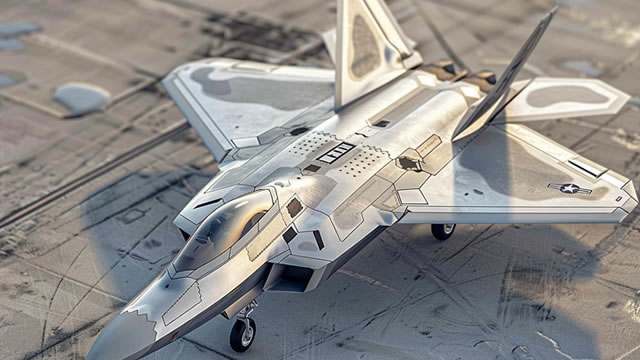
Lockheed Martin(LMT) - 2025 Q2 - Earnings Call Transcript
2025-07-22 16:00
Financial Data and Key Metrics Changes - The company reported sales of $18 billion for the second quarter, with a year-over-year increase in sales of 2% [20][30] - Segment operating profit was $570 million, significantly impacted by $1.8 billion in total charges, including $1.6 billion related to legacy programs [21][27] - Free cash flow usage was $150 million, affected by delays and tariff impacts [28] Business Line Data and Key Metrics Changes - Aeronautics sales increased by 2% year-over-year to $7.4 billion, primarily due to higher F-35 production volumes, offset by a $360 million loss from classified programs [30][31] - Missiles and Fire Control (MFC) sales rose 11% to $3.4 billion, driven by higher volumes in tactical and strike missile programs [32] - Rotary and Mission Systems (RMS) sales declined 12% to $4 billion, primarily due to losses from the Canadian Maritime Helicopter Program (CMHP) and Turkish Utility Helicopter Program (TUHP) [34] - Space sales increased 4% year-over-year, driven by higher volumes in Commercial Civil Space and Strategic and Missile Defense [35] Market Data and Key Metrics Changes - The U.S. government's focus on national defense is expected to lead to increased munition spending in the coming years, with significant orders anticipated for PAC-3 missiles and other munitions [12][13] - The U.S. Navy's FY26 budget request includes plans to purchase PAC-3 missiles for the first time, indicating a shift in defense spending priorities [13] Company Strategy and Development Direction - The company is focusing on enhancing program management and performance, particularly in light of recent losses in legacy programs [5][6] - There is a commitment to restructuring contracts to mitigate risks while meeting national security objectives [46][47] - The company is investing in advanced technologies and production capabilities to meet heightened demand for its products [4][12] Management's Comments on Operating Environment and Future Outlook - Management acknowledged the challenges faced in classified programs and emphasized the importance of rigorous oversight and transparency in addressing these issues [44][49] - The company remains confident in the long-term prospects for its programs, particularly the F-35, which is seen as essential for U.S. and allied national security [90] - The outlook for 2025 includes reaffirmed sales guidance of $73.75 billion to $74.75 billion, with expectations for continued growth in the second half of the year [37] Other Important Information - The company recognized a $4.6 billion tax liability related to a tax accounting method change, which is currently under dispute with the IRS [27][70] - The company plans to return approximately $6 billion to shareholders annually through dividends and share repurchases [40] Q&A Session Summary Question: Concerns about derisking problem programs - Management reassured that a new program review team with broader expertise has been established to monitor classified programs more rigorously, aiming to reduce risks and identify issues promptly [44][46] Question: Explanation for significant charges - The significant charges were attributed to new discoveries of cost increases and the need for a comprehensive reassessment of program assumptions, which had not been evident previously [52][53] Question: Impact of tax liability on cash flow - The tax liability is expected to have a minimal cash impact this year, with a projected cash usage of $500 million related to the Arrow classified program [55][70] Question: F-35 procurement and international orders - Management expressed confidence in the F-35's continued relevance and strong international demand, despite recent budget cuts [60][90] Question: Golden Dome program opportunities - While no contracts have been finalized for the Golden Dome initiative, management indicated strong potential for future backlog growth related to this program [81][84]
Lockheed Martin(LMT) - 2025 Q2 - Earnings Call Presentation
2025-07-22 15:00
Financial Performance - Sales reached $182 billion[6], while segment operating profit was $06 billion[6], resulting in a segment operating margin of 31%[6] - Earnings per share (EPS) amounted to $146[6], with a book-to-bill ratio of 07x[6] and free cash flow of negative $02 billion[6] - The company allocated $05 billion to share repurchases and $08 billion to dividends, alongside $08 billion for independent research & development and capital expenditures[6] Segment Results - Aeronautics sales increased by 2% to $7420 million[8, 9], but operating profit decreased by 113% to negative $98 million[8, 10], impacted by a $950 million loss on a classified program[9] - Missiles & Fire Control (MFC) experienced an 11% increase in sales to $3433 million[13, 14], with a 6% rise in operating profit to $479 million[15] - Rotary & Mission Systems (RMS) saw a 12% decrease in sales to $3995 million[18, 19], and a 135% decrease in operating profit to negative $172 million[18, 20], due to program loss impacts[19] - Space segment sales increased by 4% to $3307 million[23, 24], with a 5% rise in operating profit to $362 million[25] 2025 Outlook - The company reaffirmed its sales outlook of $73750 - $74750 million, representing a year-over-year growth of 4%-5%[28] - Full year guidance for segment operating profit was updated to $6600 - $6700 million[28] - Free cash flow outlook was reaffirmed at $6600 - $6800 million[28], with share repurchases expected to be around $3000 million[28]
Lockheed Martin Q2 profit down sharply due to $1.6B in program losses
Proactiveinvestors NA· 2025-07-22 14:46
About this content About Emily Jarvie Emily began her career as a political journalist for Australian Community Media in Hobart, Tasmania. After she relocated to Toronto, Canada, she reported on business, legal, and scientific developments in the emerging psychedelics sector before joining Proactive in 2022. She brings a strong journalism background with her work featured in newspapers, magazines, and digital publications across Australia, Europe, and North America, including The Examiner, The Advocate, ...
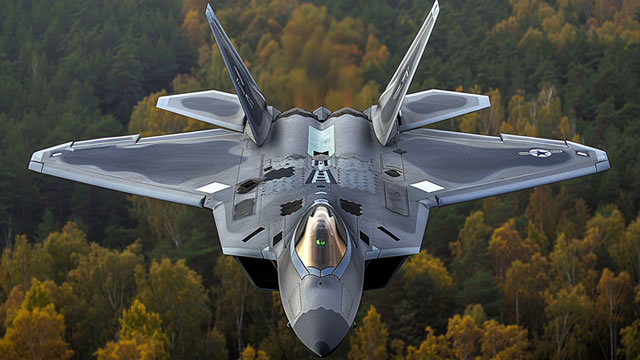
Northrop Grumman(NOC) - 2025 Q2 - Earnings Call Transcript
2025-07-22 14:32
Financial Data and Key Metrics Changes - The company reported second quarter sales of $10.4 billion, a 1% increase year over year and a 9% increase sequentially from Q1 [18] - Diluted earnings per share (EPS) for Q2 was $8.15, reflecting a 28% increase compared to the same quarter in 2024, driven by higher sales and improved segment performance [23][30] - Segment operating margin improved to 11.8%, up 100 basis points year over year [20] Business Line Data and Key Metrics Changes - Aeronautics segment sales increased by 2% year over year, driven by higher volume on the B-21 and TACMO programs [19] - Defense Systems (DS) sales grew by 7% on a GAAP basis, with a 9% increase on an organic basis, primarily due to the Sentinel program and higher ammunition sales [19] - Mission Systems was the fastest-growing segment, with sales up 14% year over year, attributed to inventory liquidation and higher marine program volumes [20] - Space segment sales decreased due to the wind-down of work on two programs, reflecting a $283 million year-over-year headwind [20] Market Data and Key Metrics Changes - International sales grew by 18% year over year and 14% year to date, indicating strong demand outside the U.S. [6][50] - The company reported a strong international book-to-bill ratio of 1.4, reflecting robust demand for its products [50] Company Strategy and Development Direction - The company is increasing its guidance for segment operating income, EPS, and free cash flow based on strong second quarter results and confidence in the second half outlook [5] - Significant investments in defense capabilities are being made by the U.S. and allies, with a combined 22% increase in procurement and RDT&E over fiscal year 2025 [6] - The company is focusing on air and missile defense as a key growth area, with products like IDCS and GPI positioned for global demand [8] - The company is committed to returning approximately 100% of free cash flow to shareholders through dividends and share repurchases [17] Management's Comments on Operating Environment and Future Outlook - Management expressed confidence in the long-term growth potential, supported by a strong portfolio and robust global demand [18] - The recent reconciliation bill and FY '26 budget request are expected to provide tailwinds for programs like B-21 and Sentinel, with significant funding increases anticipated [40] - The company is optimistic about the growth of its space business, expecting budgets to increase after a period of flatness [60] Other Important Information - The company has invested $1 billion over the past six years to improve capacity in solid rocket motors, which is expected to increase production from 13,000 units to 25,000 by 2029 [15][16] - The company is actively working on the Sentinel program, with significant progress made in the second quarter, including a favorable EAC adjustment [21][52] Q&A Session Summary Question: Explanation of guidance increase despite strong margins - Management explained that while segment operating performance was strong, changes in tax reform impacted the overall guidance, increasing the effective tax rate [37][38] Question: Impact of FY '26 budget on B-21 and Sentinel revenues - Management indicated that the favorable budget environment would provide tailwinds for both B-21 and Sentinel, with significant funding increases expected [40] Question: Details on international sales growth and backlog - Management noted an 18% growth in international sales and a strong book-to-bill ratio, with expectations for continued growth driven by NATO commitments [50] Question: Clarification on Sentinel program progress - Management highlighted substantial progress on the Sentinel program, particularly in the command and launch segment, which has resumed work [52][78] Question: Growth outlook for Space Systems - Management expressed optimism for the Space Systems segment, anticipating growth driven by increased budgets and opportunities related to Golden Dome for America [60] Question: Long-term foothold in European markets - Management emphasized the importance of local partnerships and co-production agreements to maintain a competitive edge as European capabilities grow [66][68] Question: Changes in contracting environment under the new administration - Management noted improvements in contracting terms and conditions, emphasizing the administration's focus on speed and breaking down barriers [98]
