
Bond Market

Search documents
Bond Market Charts Send Clear Signal: Interest Rates Likely to Climb
Barrons· 2026-03-27 15:05
Core Insights - Technical indicators suggest that higher interest rates are anticipated later this year [1] Group 1 - The expectation of rising interest rates is based on current technical indicators [1]

X @Bloomberg
Bloomberg· 2026-03-12 11:50
Indian issuers withdrew local-currency bond sales worth up to 190 billion rupees ($2.1 billion) since the onset of the Iran war after the conflict led investors to demand wider credit premiums https://t.co/iRZe7wpjKS ...
The bond market has been doing something strange despite a hot inflation report
MarketWatch· 2026-02-27 20:15
Group 1 - Concerns regarding the negative effects of artificial intelligence on the U.S. economy are affecting the $30 trillion bond market [1]

X @The Wall Street Journal
The Wall Street Journal· 2026-02-16 00:55
JGB futures edged higher early Tokyo trade as investors assess Japan’s 1st estimate of 4Q GDP data released earlier. https://t.co/d1gUZmqhul ...
STARTRADER:强劲非农打击降息预期 AI担忧拖累美股 多资产分化
Sou Hu Cai Jing· 2026-02-12 00:44
Group 1 - The core point of the article highlights the strong performance of the U.S. labor market as indicated by the January non-farm payroll data, which exceeded market expectations and impacted market sentiment regarding the Federal Reserve's interest rate decisions [1][3] - The January non-farm payroll data showed an increase of 130,000 jobs, significantly above the market expectation of 70,000 jobs, and the unemployment rate decreased by 0.1 percentage points to 4.3%, lower than the expected 4.4% [3] - Average hourly earnings for private sector non-farm employees rose by $0.15 to $37.17, reflecting a year-on-year increase of 3.7%, also surpassing market expectations [3] Group 2 - The strong non-farm payroll data led to a rapid decline in the market's expectations for a rate cut by the Federal Reserve, with the probability of a 25 basis point cut in March dropping from 19.6% to 6%, while the probability of maintaining the current rate rose to 94% [3] - Following the release of the non-farm data, U.S. stock indices experienced a decline, with the Dow Jones Industrial Average closing at 50,121.40 points, down 0.13%, and the Nasdaq Composite Index down 0.16% [4] - Concerns regarding the AI industry and the cooling of rate cut expectations contributed to the downward pressure on U.S. stocks, with technology stocks particularly affected [4] Group 3 - In contrast to the pressure on U.S. stocks and bonds, precious metals such as gold and silver saw a V-shaped reversal, with gold prices rising from a low of $5,020.07 per ounce to $5,089.36 per ounce [5] - The rise in gold and silver prices is attributed to safe-haven demand amid ongoing AI industry concerns and a retreat in the U.S. dollar, despite the cooling rate cut expectations [5] - The oil market exhibited a volatile pattern, with Brent crude oil reaching nearly $70 per barrel before retreating due to global demand concerns and a strengthening dollar, ultimately closing at $69.40 per barrel [5] Group 4 - Market focus is shifting towards upcoming U.S. CPI data and statements from Federal Reserve officials to further assess the direction of monetary policy, while ongoing dynamics in the AI industry and geopolitical issues in the Middle East continue to influence market sentiment [6] - The sustained pressure on U.S. stocks and bonds, the momentum of gold and silver prices, and the potential for oil prices to break out of their current volatility remain to be validated by future data and events [6]

【金融街发布】人民银行:2025年沪深两市日均成交额17045.4亿元
Xin Lang Cai Jing· 2026-02-11 11:30
Group 1: Money Market Performance - In 2025, the average daily transaction volume of interbank lending was 361.07 billion yuan, a decrease of 12.1% compared to 2024 [2] - The average daily transaction volume of bond repurchase in the interbank market was 6.9 trillion yuan, an increase of 3.0% compared to 2024 [2] - The year-end balance of interbank lending was 1.0 trillion yuan, while the balance of bond repurchase was 12.0 trillion yuan [2] - The weighted average interest rate for overnight pledged repos (DR001) was 1.46%, down 19 basis points from 2024 [2] Group 2: Bond Market Performance - In 2025, net financing for government bonds reached 1.38 trillion yuan, an increase of 250 billion yuan from 2024 [3] - Net financing for corporate bonds was 240 billion yuan, an increase of 48.23 billion yuan from 2024 [3] - The bond market's custody balance was 196.7 trillion yuan by the end of 2025 [3] - The trading volume in the cash market was 425.3 trillion yuan, an increase of 1.4% from 2024 [3] Group 3: Derivatives Market Performance - The transaction volume in the interbank RMB derivatives market was 58.5 trillion yuan, an increase of 58.6% from 2024 [4] - The transaction volume in the government bond futures market was 9.7 trillion yuan, an increase of 43.9% from 2024 [4] - The year-end closing price for the 10-year government bond futures main contract was 107.9 yuan, a decrease of 1.0% from 2024 [4] Group 4: Bill Market Performance - In 2025, the acceptance amount of commercial bills was 42.7 trillion yuan, while the discount amount was 33.9 trillion yuan [5] - The acceptance balance of commercial bills was 21.2 trillion yuan, an increase of 7.2% from the end of 2024 [5] - The discount balance was 16.5 trillion yuan, an increase of 11.2% from the end of 2024 [5] Group 5: Stock Market Performance - By the end of 2025, the Shanghai Composite Index closed at 3968.8 points, an increase of 18.4% from the end of 2024 [6] - The Shenzhen Component Index closed at 13525.0 points, an increase of 29.9% from the end of 2024 [6] - The average daily trading volume in both markets was 1.70454 trillion yuan, an increase of 61.9% from 2024 [6] Group 6: Interbank Bond Market Holder Structure - By the end of 2025, there were 3923 institutional members in the interbank bond market, all of which were financial institutions [7] - The top 50 investors in corporate credit bonds held 53.4% of the total, mainly concentrated in state-owned commercial banks, public funds, and insurance financial institutions [7] - The top 200 investors accounted for 84.5% of the holdings [7]

X @Bloomberg
Bloomberg· 2026-02-09 03:02
Global investors swarmed into Indonesian debt just before the market turned against them https://t.co/NpWccJvct9 ...
日韩股市高开,韩国股市大涨逾4%,黄金、白银上涨,白银站上80美元
Hua Er Jie Jian Wen· 2026-02-09 00:06
Group 1 - The Nikkei 225 index opened up by 1.5% [1] - The Seoul Composite Index opened up by 4.1% [1] - Spot gold rose to approximately $5040, increasing by 1.6% during the day [1] - Spot silver surpassed the $80 mark, with a daily increase of over 3% [1] Group 2 - The yield on Japan's 30-year government bonds increased by 6.5 basis points, reaching 3.615% [1]
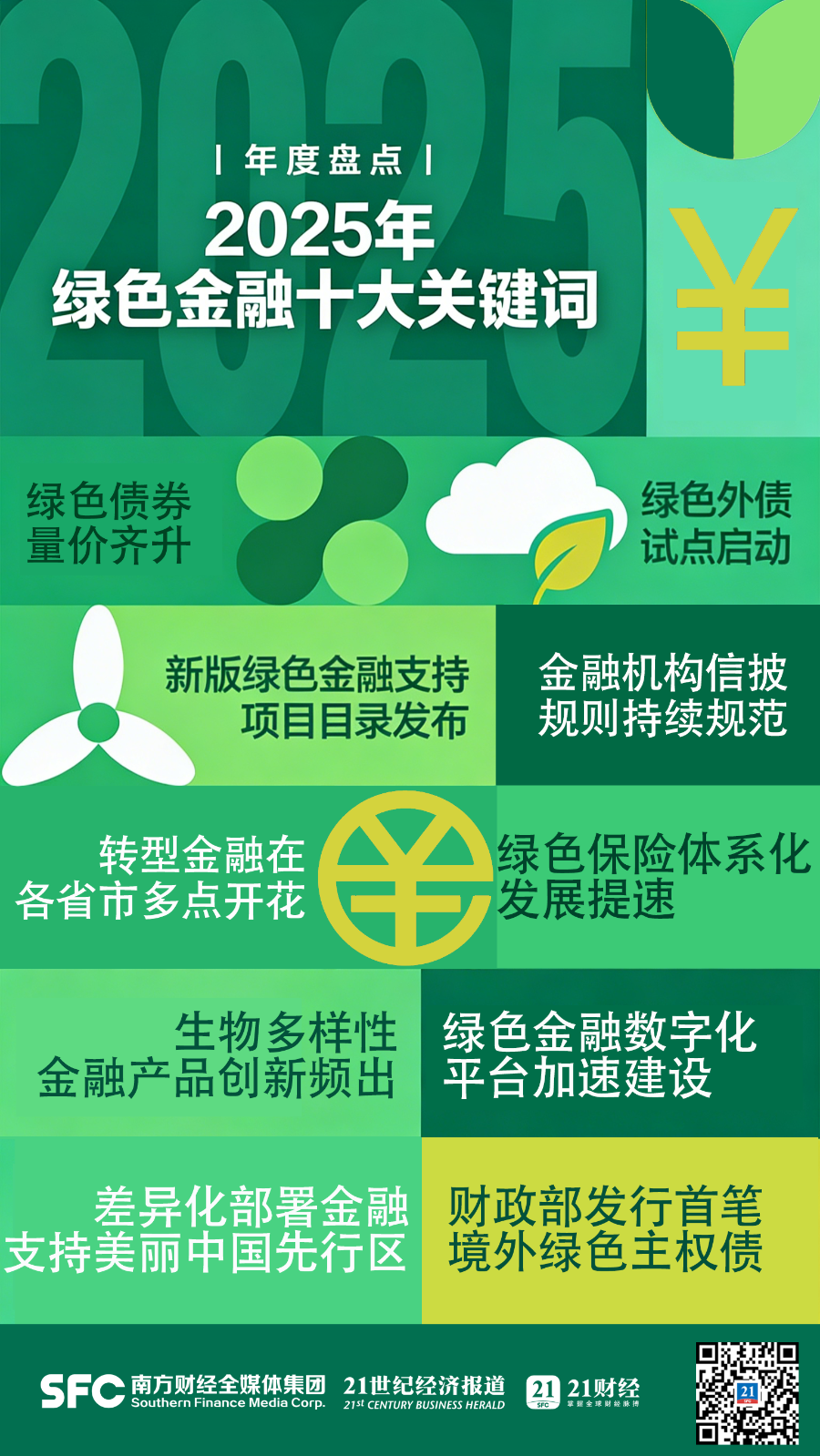
绿色信贷同比增长超20%!2025年绿色金融十大关键词出炉
2 1 Shi Ji Jing Ji Bao Dao· 2026-01-29 03:45
Core Viewpoint - By the end of 2025, China's green loan balance in both domestic and foreign currencies is expected to reach 44.77 trillion yuan, with an annual increase of 7.72 trillion yuan, achieving over 20% growth year-on-year, indicating a strong commitment to supporting green development and facilitating a comprehensive green transformation of the economy and society [1] Group 1: Green Bond Market - In 2025, China's green bond market experienced significant growth, with 647 bonds issued and a total issuance scale of 10,784.33 billion yuan, representing year-on-year increases of 35.64% and 58.26% respectively [4] - The cumulative issuance of green bonds in the domestic market exceeded 3,000 bonds, with a total issuance scale of approximately 5.24 trillion yuan, showcasing high-quality development through innovative products and record-breaking first issuances [4] Group 2: Green External Debt Pilot - In 2025, a pilot program for green external debt was launched in 16 cities, allowing green external debt projects to occupy less of the total cross-border financing risk-weighted balance, thereby expanding the financing scale for green development projects [5] - The pilot program facilitates the introduction of low-cost international funds into domestic green projects, establishing a rapid channel for financing [5] Group 3: New Green Finance Support Project Directory - The People's Bank of China and regulatory authorities released the 2025 version of the Green Finance Support Project Directory, which includes new categories such as green trade and green consumption, and enhances alignment with national economic sectors [6] - The directory aims to unify standards for green finance products and provide clear guidelines for financial institutions, supporting emerging areas like green trade and consumption [6] Group 4: Financial Institutions' Disclosure Rules - In 2025, a new climate disclosure standard was introduced, requiring companies to disclose climate-related risks and opportunities, which will serve as a foundation for financial institutions in managing climate risks and identifying qualified transition financing clients [8] - The standardization of climate information disclosure will enhance the risk management capabilities of financial institutions and drive resources towards green and low-carbon sectors [8] Group 5: Transformation Finance Practices - In 2025, various provinces implemented transformation finance guidelines for industries such as construction materials and textiles, leading to the launch of the first transformation loans in multiple regions [9] - The collaboration between transformation finance and green financial tools effectively addresses the financing bottlenecks faced by high-carbon industries transitioning to low-carbon operations [9] Group 6: Development of Green Insurance - Green insurance evolved from single product innovation to a systematic development phase, with new products introduced to cover climate risks and support ecological value transformation [10] - The implementation of a high-quality development plan for green finance by regulatory authorities emphasizes the optimization of insurance products related to climate risks [10] Group 7: Biodiversity Financial Products - In 2025, financial support for biodiversity transitioned from concept to practice, with innovative products linking financing to biodiversity protection metrics [11] - These products aim to convert ecological value into tangible assets, broadening financing pathways for ecological protection projects [11] Group 8: Digitalization of Green Finance - The integration of technology into green finance has accelerated, with the establishment of digital platforms aimed at improving service models and addressing information asymmetries [12] - Initiatives such as blockchain-based platforms and digital financing projects are enhancing the efficiency and precision of fund allocation for green projects [12] Group 9: Differentiated Financial Support for Beautiful China - In 2025, action plans for key regions like the Greater Bay Area and Yangtze River Delta included green finance as a critical support for ecological protection and low-carbon transitions [13] - The differentiated deployment of green finance in these regions is expected to create replicable experiences for building a multi-layered green finance system nationwide [13] Group 10: Issuance of Green Sovereign Bonds - In 2025, the Ministry of Finance successfully issued the first green sovereign bonds worth 6 billion yuan in London, achieving record low interest rates for offshore RMB bonds [14] - The issuance attracted significant international interest, demonstrating China's commitment to utilizing international capital markets for green transformation [15]
X @Bloomberg
Bloomberg· 2026-01-28 12:00
From sinking Treasuries to global selloffs, the turmoil in Japan’s bond market is being felt far beyond its borders. Find out how the crash is rattling international investors and why markets are still on tenterhooks on today’s Big Take Asia Podcast https://t.co/XefPuK1QEc https://t.co/Bj3AIujV8f ...