
Real Estate Analytics

Search documents
$30K Boost in Buying Power Reshapes Home Market for Aspiring Buyers
Yahoo Finance· 2026-03-10 10:45
Core Insights - The median-income household in the U.S. still allocates 32.3% of its income to mortgage payments, indicating ongoing affordability challenges despite improvements in buying power [1] - The share of homes purchased entirely with cash has reached a record high of 26%, benefiting older buyers who do not rely on mortgages [2] - The typical first-time homebuyer is now 40 years old, highlighting the difficulties faced by this demographic in the current housing market [3][4] Affordability Trends - Zillow reports that the buying power for median earners has increased to $331,483, a rise of $30,302 from the previous year, marking the strongest affordability since March 2022 [7] - The average mortgage rates have decreased from 6.96% in January 2025 to 6.10% recently, contributing to an 8.4% reduction in typical mortgage payments compared to last year [5] - The proportion of affordable homes for sale has increased to 40.3% of listings, up from 34.8% a year earlier, alongside a 6% rise in inventory [6] Market Dynamics - The National Association of Realtors indicates that first-time buyers accounted for only 21% of home purchases in the year through June 2025, significantly below the historical average of 38% [4] - Zillow anticipates that mortgage rates will continue to decline through 2026, potentially increasing homebuyer budgets and leading to a 4% rise in existing-home sales in 2026 compared to 2025 [9] - In high-cost metropolitan areas, significant increases in buying power have been observed, with San Jose seeing a nearly $74,000 year-over-year increase [8] Age-Related Trends - Older sellers, particularly those over 70, are accepting lower offers, averaging about $20,270 less than younger sellers, which is reshaping home sale dynamics [10] - Homes owned by sellers aged 80 and above are sold for approximately 5% less than those owned by individuals in their 40s and 50s, indicating how age influences pricing strategies [11] Regional Insights - Houston has emerged as a leader in expanding accessible housing stock, with nearly 4,000 additional properties now affordable to typical earners compared to the previous year [14] - Other major metropolitan areas like Phoenix, Dallas, Miami, and Atlanta have also added thousands of qualifying properties to their markets, enhancing affordable housing options [14]
Buying a Home Is Cheaper Than Renting in 57% of Counties—Here’s the Catch
Investopedia· 2026-01-29 01:01
Core Insights - Homeownership is generally more affordable than renting in 57% of U.S. counties, but high upfront costs deter many potential buyers from purchasing homes [1][10] - The housing market continues to see record-high prices, making initial investments increasingly challenging for buyers [2] - Hidden costs associated with homeownership can add nearly $16,000 annually to the average homeowner's expenses [3] Affordability Dynamics - Homeownership is more affordable in the Midwest and South, while renting is more favorable in the Northeast and West, where only 17% of counties show homeownership as the cheaper option [5] - Affordability varies significantly within counties, influenced by local housing stock diversity [6][7] - Local development and density regulations can make homeownership cheaper in areas with fewer rental properties [8] Market Trends - The balance between renting and owning is shifting, particularly in regions like southwest Florida, where increased affordable rental units are being developed [9][11] - Housing prices are rising faster than rents in over two-thirds of U.S. counties, with more than a third of median income required to afford a home in many areas [12] - Wages have been growing faster than shelter costs in most regions, with worker pay increasing more than the cost of owning in nearly 60% of surveyed counties [13]

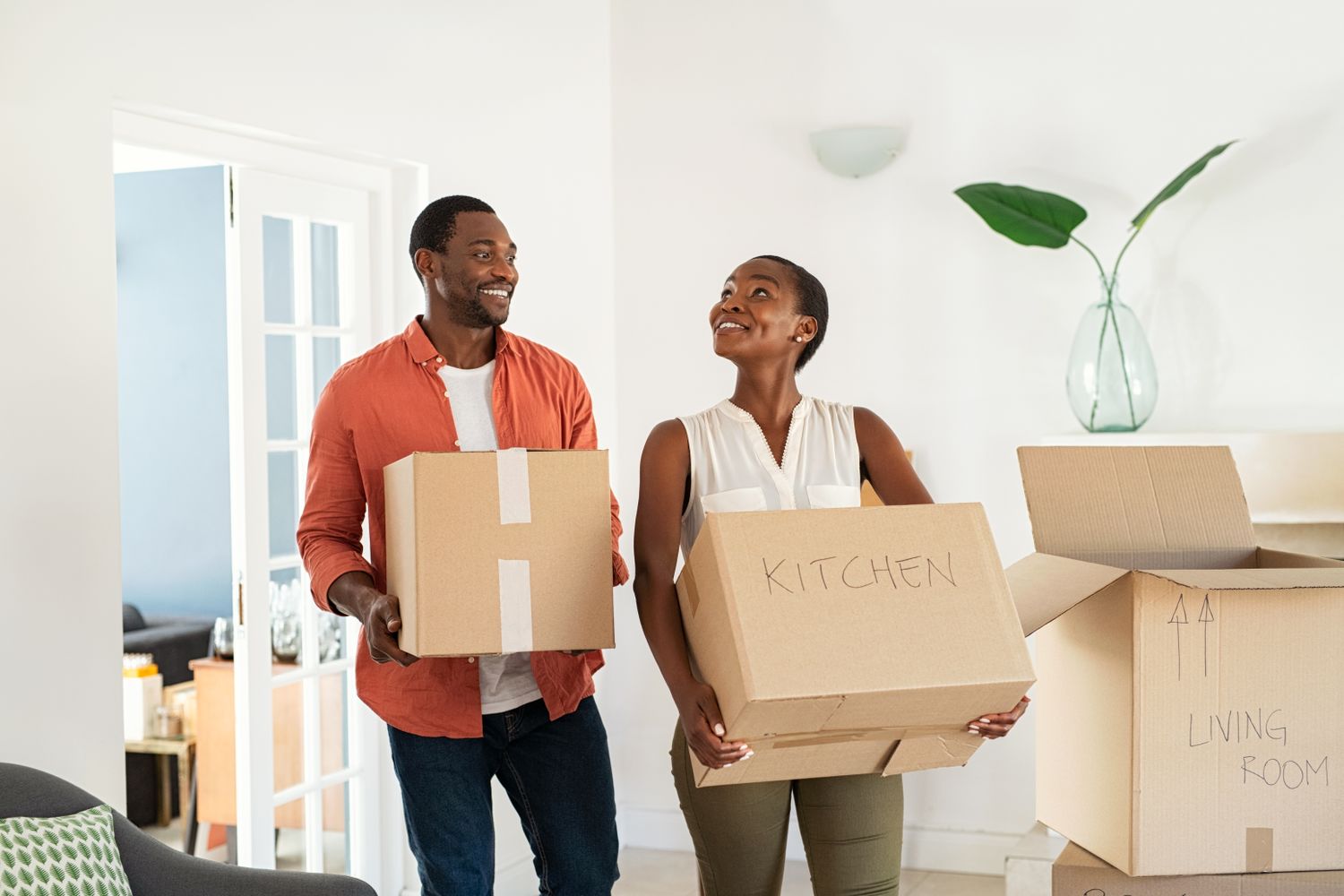
Australians push back on proposal to tax ‘unused bedrooms’ to solve housing crisis — could it work in the US?
Yahoo Finance· 2025-09-11 13:33
Core Viewpoint - Australia is facing a housing crisis similar to that of the U.S., with experts proposing a controversial solution: taxing unused bedrooms in homes [1][4]. Group 1: Research Findings - Research by real estate analytics firm Cotality indicates a mismatch between household sizes and the number of bedrooms, with the most common household size being two people and the most common dwelling having three bedrooms [2]. - Eliza Owen, head of Australian research at Cotality, suggests that while having spare bedrooms is acceptable, it can lead to inefficiencies in housing allocation [2]. Group 2: Proposed Solutions - Owen proposes that governments could implement a land tax on unused bedrooms or incentivize downsizing by abolishing stamp duty, aiming to make larger homes more expensive and smaller homes cheaper [3]. - The unused bedroom tax was discussed at Australia's Economic Reform Roundtable, with Treasurer Jim Chalmers not ruling out new taxes in future budgets [4]. Group 3: Public Reaction - The proposal has faced significant backlash, with public figures and citizens expressing strong opposition, including a viral TikTok video criticizing the idea [4][5]. - Senator Sarah Henderson labeled the proposal as "radical" and a "crazy idea," condemning the Labor Party for not dismissing it [5]. Group 4: Economic Perspectives - Economists, including AMP Chief Economist Shane Oliver, warn that the tax would be politically unpopular and could provoke a backlash, as many maintain spare bedrooms for visitors [5]. Group 5: Comparison with the U.S. - In the U.S., the housing affordability crisis has prompted Treasury Secretary Scott Bessent to suggest a potential national housing emergency, with considerations for standardizing building codes and reducing closing costs [6].