000)

Search documents
Will Ford's Low-Cost EV Pivot Strengthen Its Market Position?
ZACKS· 2026-03-03 15:46
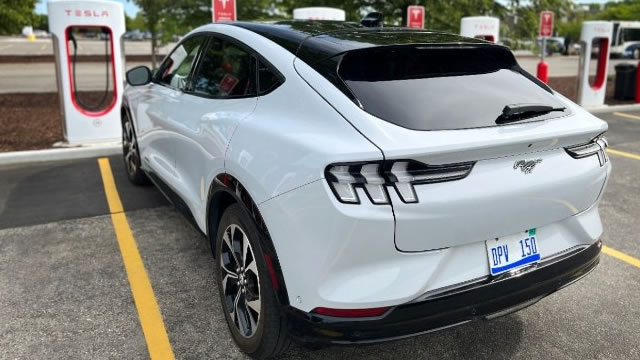
Key Takeaways Ford plans a $30,000 next-gen EV on its UEV platform, starting with a small electric pickup in 2027.Ford aims to cut parts 20%, fasteners 25% and assembly time 15% to lower EV production costs.A 48-volt system and lighter design target efficiency gains as Ford absorbs a $19.5B EV write-down.Ford Motor Company (F) is restructuring its electric-vehicle strategy to make EVs far more affordable, aiming to introduce a next-generation EV priced around $30,000. The plan involves shrinking battery siz ...


The Largest Structures Ever Proposed: When Architecture Touches the Impossible- A Tour Of Megastructures
Medium· 2025-10-13 18:46
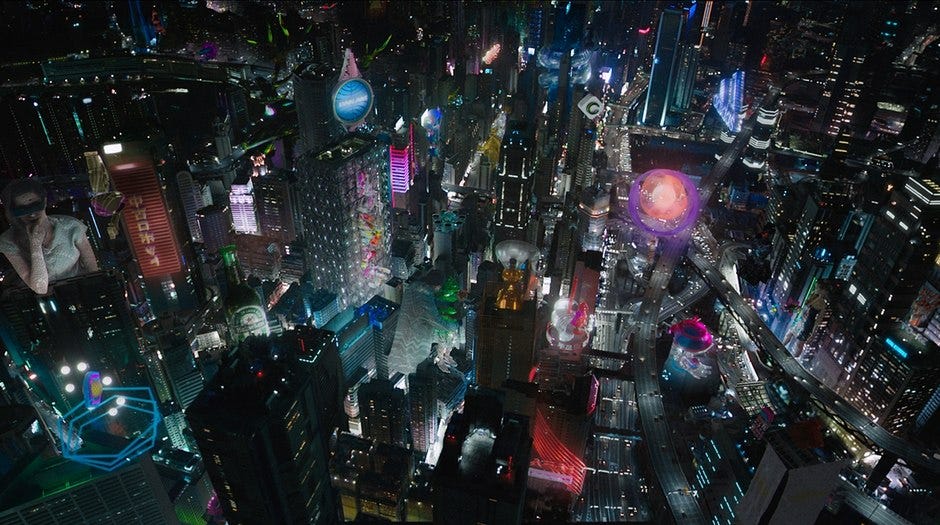
Core Concept - The article explores ambitious architectural proposals that challenge engineering and imagination, reflecting humanity's aspirations and fears in reshaping the environment [1]. Group 1: Proposed Megastructures - The Analema Tower is a conceptual skyscraper suspended from an asteroid, designed to address urban overpopulation and land scarcity, featuring residential, commercial, and recreational spaces [2][3]. - The X-Seed 4000, or Tokyo Tower of Babel, is a proposed 4,000-meter tall structure designed to house one million residents, incorporating advanced materials like carbon nanotubes and graphene [4][5]. - The Ultima Tower is a 3,218-meter-high vertical city inspired by natural forms, aiming to create a self-sustaining environment for over a million residents [6][7]. - The Shimizu Mega-City Pyramid is envisioned as a 2,004-meter tall floating structure above Tokyo Bay, designed to accommodate one million residents in a self-sustaining ecosystem [8][9]. - The Bionic Tower is a 1,228-meter-high vertical city proposed for Shanghai or Hong Kong, designed to house approximately 100,000 residents with a focus on sustainability [10][12]. - The Space Elevator is a theoretical structure that would enable transportation from Earth to space, with Japan's Obayashi Corporation proposing its construction by 2050 [13][14]. Group 2: Fictional Megastructures in Manga - Japanese manga presents iconic megastructures, such as the City in Tsutomu Nihei's Blame!, which reflects themes of technological sprawl and post-human civilization [15][16]. - Katsuhiro Otomo's Akira introduces Neo-Tokyo, a post-apocalyptic megacity that embodies urban density and societal tension [17]. - The city of Zalem in Battle Angel Alita represents a floating metropolis that highlights societal divisions between the elite and the oppressed [18]. - Coruscant from the Star Wars universe is a city-planet symbolizing grandeur and bureaucracy, with a deeply stratified society [21][22]. - Hive Worlds in Warhammer 40,000 depict immense vertical hives that generate their own ecosystems and political systems, illustrating the extremes of urban living [23]. Group 3: Conclusion and Implications - Megastructures serve as frameworks for organizing society, confronting scarcity, and exploring human aspirations and fears about growth and chaos [25][26].