AI Data Centers in Orbit

Search documents
After Beating TSLA in EVs, is China Eyeing Musk's SpaceX Ambitions?
ZACKS· 2026-01-30 14:06
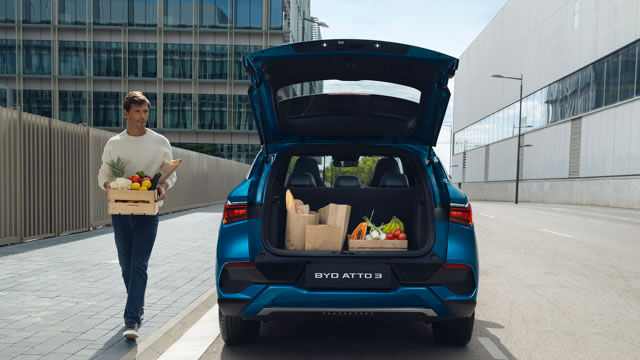
Core Insights - Tesla has lost its position as the world's largest electric vehicle (EV) seller to BYD, which sold approximately 2.25 million EVs in 2025, marking a 28% year-over-year increase, while Tesla faced declining sales and profits [2][9] - SpaceX is preparing for a significant IPO focused on deploying AI data centers in orbit, amidst increasing competition from China's space ambitions [5][6] Group 1: Electric Vehicle Market - BYD dethroned Tesla in 2025, selling 2.25 million electric vehicles, ending Tesla's two-year growth streak [2][9] - Tesla's challenges include an aging product lineup and increased competition from Chinese automakers, leading to two consecutive years of declining sales and profits [2][9] - BYD's success is attributed to its scale, pricing power, and strong domestic demand in China [2] Group 2: Space-Based AI Data Centers - China's CASC plans to launch space-based AI data centers over the next five years, aiming to process Earth-collected data in orbit [4][9] - SpaceX intends to deploy solar-powered AI data center satellites within the next two to three years, leveraging abundant solar energy and natural cooling in space [6][7] - Major technology companies, including Google, NVIDIA, and Blue Origin, are also exploring space-based data centers, indicating a competitive landscape [7][11] Group 3: Competitive Landscape in Space Technology - Google has initiated Project Suncatcher to test AI computing hardware in orbit, with plans to launch prototype satellites by early 2027 [8] - NVIDIA's Starcloud startup successfully demonstrated AI model training in space with its satellite carrying an NVIDIA H100 GPU [10] - Blue Origin is developing systems to support AI workloads in orbit, viewing orbital computing as a natural extension of the AI boom [11] Group 4: Future Outlook - The coming years, particularly around 2027, will be critical in determining the scalability of space-based data centers and the competitive dynamics between SpaceX and China's CASC [12][13]