Cellergy pro™复合配方

Search documents
万亿美妆市场洗牌加速:靠营销的短命品牌退场,研发型公司逆势突围
第一财经· 2025-10-11 12:10
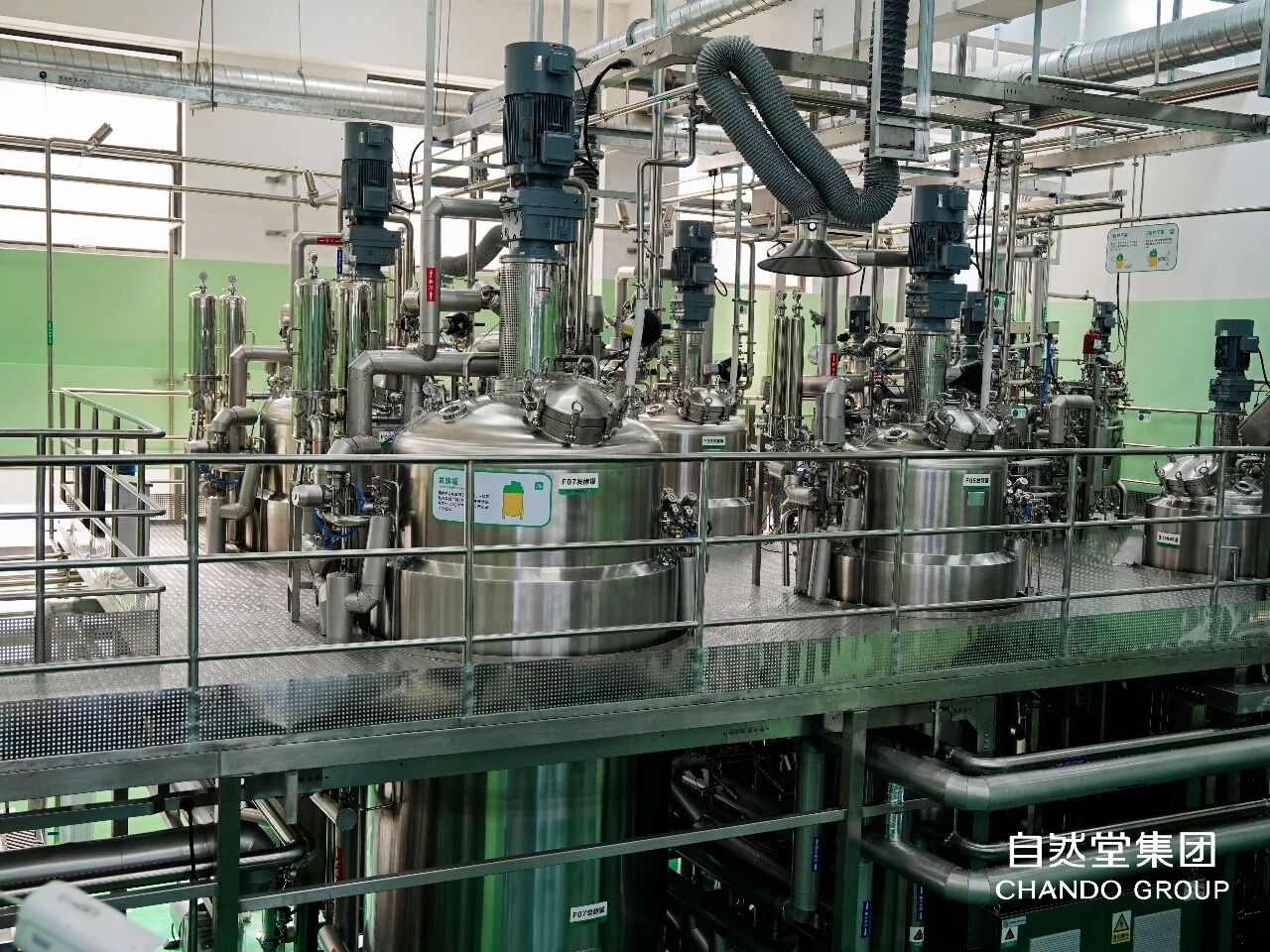
Core Viewpoint - The Chinese beauty and cosmetics industry has transitioned from "incremental competition" to "stock game," shifting from channel-driven to brand-driven strategies, with significant advancements in raw material innovation, efficacy verification, and technology transformation [3]. Group 1: Market Overview - The market size of China's cosmetics industry has exceeded 1 trillion yuan for two consecutive years since 2023, making it the largest cosmetics consumption market globally [3]. - In 2024, the total transaction volume of China's cosmetics market is projected to reach 1,073.82 billion yuan, reflecting a year-on-year growth of 2.8% [6]. Group 2: Industry Challenges - The core driving force of the cosmetics market is the raw materials, with domestic companies primarily focused on mid-to-low-end markets due to insufficient R&D investment and outdated production processes [6][9]. - High-end raw materials are still heavily reliant on imports, highlighting the need for domestic companies to enhance their R&D capabilities [6]. Group 3: Technological Advancements - Many domestic beauty companies are investing in R&D to develop new raw materials, with examples including the establishment of an intelligent bio-fermentation raw material factory by the natural brand Chando [8]. - Companies like Huaxi Biological have achieved breakthroughs in synthetic biology technology, allowing for precise control over hyaluronic acid molecular weight [9]. Group 4: Government Support - The Chinese government is encouraging innovation in upstream raw material development, implementing policies such as "immediate reporting and review" for new cosmetic raw materials [10]. - In September, Shanghai introduced measures to promote high-quality development in the cosmetics industry, offering substantial subsidies for new raw material development [10]. Group 5: Collaboration and Innovation - The industry is focusing on systematic and foundational innovation, with companies like Yunnan Betaini emphasizing the integration of medical research and technological innovation to build strong brand barriers [12]. - Collaborative projects, such as the establishment of a joint laboratory for artemisinin and traditional Chinese medicinal plants by Shanghai Jahwa and the Chinese Academy of Medical Sciences, aim to enhance the application of artemisinin in skincare [17].

万亿美妆市场洗牌加速:靠营销的短命品牌退场,研发型公司逆势突围
Di Yi Cai Jing· 2025-10-11 07:01
Core Insights - The Chinese fragrance and cosmetics industry is transitioning from "incremental competition" to "stock game" dynamics, with a shift from channel-driven to brand-driven competition [1] - The market size of China's cosmetics industry has exceeded 1 trillion yuan for two consecutive years, making it the largest cosmetics consumer market globally [1] - Companies are focusing on technological innovation, brand value reconstruction, and collaborative networks to enhance their competitiveness in the global value chain [1] Industry Trends - The Chinese cosmetics market is projected to reach a total transaction value of 1,073.82 billion yuan in 2024, reflecting a year-on-year growth of 2.8% [3] - The core driving force of the cosmetics market is the innovation in raw materials, with domestic companies primarily concentrated in the mid-to-low-end sectors [3] - Many local beauty companies are investing in R&D to develop proprietary raw materials, moving away from reliance on imports [5][6] Technological Advancements - Companies like Huaxi Biological Technology are emphasizing the importance of core technology and R&D capabilities to survive in a competitive market [2] - Natural堂 has developed over 20 proprietary raw materials, showcasing a shift from dependence on imports to self-sufficiency in high-quality ingredients [6] - The Chinese government is implementing policies to support innovation in cosmetic raw materials, including expedited review processes for new ingredients [7] Collaborative Efforts - The establishment of partnerships between research institutions and cosmetic companies aims to bridge the gap between laboratory innovations and market applications [9][12] - The launch of the "Beautiful Health Medical Research and Enterprise Transformation Center" in Nanjing signifies a commitment to enhancing collaboration in the industry [9] - Shanghai Jahwa's collaboration with the Chinese Academy of Traditional Chinese Medicine highlights the potential of traditional ingredients like artemisinin in skincare applications [11]