David's Sling

Search documents
X @Nick Szabo
Nick Szabo· 2026-03-21 02:54
RT Armchair Warlord (@ArmchairW)Why doesn't the US use more Israeli equipment?Real question. Much of the IDF's arsenal isn't just paid for by American taxpayers but actually manufactured in the United States. Adopting much of this gear for our own forces should be trivial - yet we use little of it.Why?⬇️Let's review the wavetops for starters.Facing imminent war with Iran - a war they ended up starting entirely on their own timetable - the Israelis actually divested their Patriot systems, the mainstay of Ame ...
US policy threatens Elbit’s PULS deal with Greece
En.Globes.Co.Il· 2025-12-23 09:58
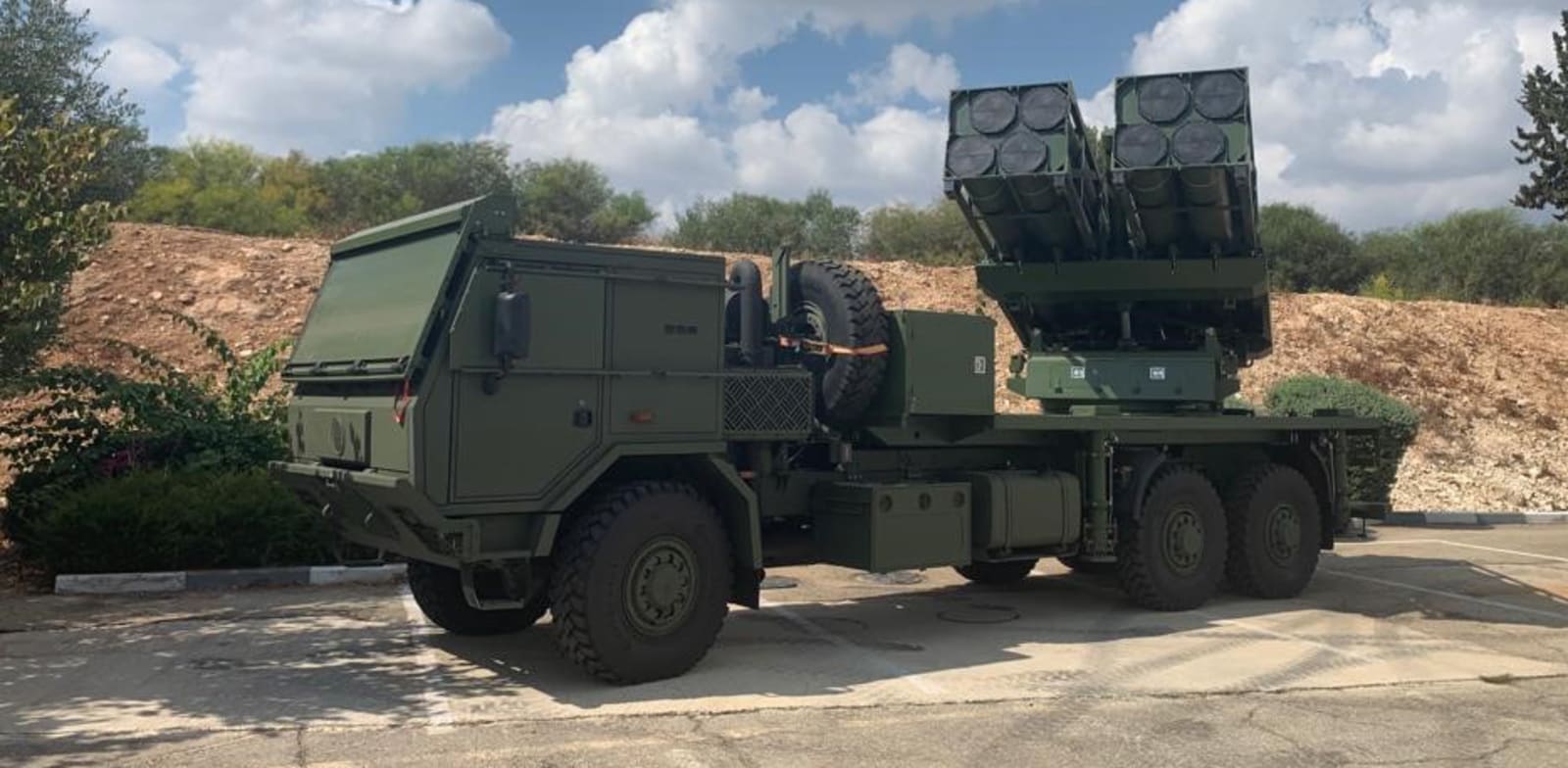
Core Viewpoint - Elbit Systems' PULS rocket artillery system has been selected by the Greek armed forces, with a contract value of approximately $812 million for 36 systems, but competition from Lockheed Martin remains significant [1][2]. Group 1: Contract Details - The Greek parliament and the Government Council for National Security (KYSEA) have approved a budget of about $812 million (€691 million) for the acquisition of 36 PULS systems [2]. - The contract award is contingent upon the completion of commercial negotiations with the Hellenic Ministry of National Defense [2]. - KYSEA's decision to approve the purchase was made about a week prior to Elbit's announcement [3]. Group 2: Competitive Landscape - Lockheed Martin, a primary competitor, has not abandoned its efforts to secure the contract from Greece [1]. - The U.S. has introduced measures that could disrupt Greek plans by restricting the use of U.S. rockets and missiles in Elbit's EuroPuls launchers, raising concerns about technology leaks [6][7]. Group 3: System Capabilities - Elbit's PULS system is designed to launch unguided rockets, precision-guided munitions, and missiles with various ranges, and is adaptable to existing platforms, which reduces maintenance and training costs [5]. - The U.S. is offering an alternative to Greece, proposing to upgrade 15 existing M270A0 MLRS systems and supply 15 new HIMARS systems for $500-600 million, which presents a competitive option [9]. Group 4: Strategic Implications - The U.S. measure raises questions among Greek security officials about the implications of acquiring PULS, particularly regarding the usability of existing rockets [8]. - Elbit's proposal includes at least 25% local production, which may align with Greece's broader defense ambitions, including a significant deal for a multi-layered missile protection system against Turkey [11][12]. - Greece's military modernization efforts are driven by a need to address technological lag and threats, particularly from Turkey, with a potential $3.5 billion deal for advanced air defense systems [13].