Electrochemical Energy Storage

Search documents
新增装机同比下降67%!11月用户侧新型储能项目分析
中关村储能产业技术联盟· 2025-12-22 08:05
Core Insights - The article highlights a significant decline in the new energy storage capacity on the user side in November 2025, with a year-on-year decrease of over 65% [2] - The market structure has adjusted, with commercial and industrial storage accounting for nearly 90% of the new installations, and long-duration energy storage technologies are accelerating [2][3] - The East China region dominates the new installations, with Fujian leading in capacity [2][4] User-side Energy Storage Installation Scale - In November, the user-side energy storage market was primarily driven by commercial applications, accounting for nearly 90% of new installations, totaling 185.27 MW / 555.83 MWh, with year-on-year declines of 67% and 57% respectively [3][4] - The newly commissioned projects predominantly utilized electrochemical storage technology, with lithium iron phosphate battery technology making up over 99% of the installed capacity [4] Regional Distribution of User-side Energy Storage - New installations were mainly concentrated in Fujian, Guangdong, Hebei, Anhui, and Zhejiang, with East China leading the market, accounting for 52% of new installations [7] - Fujian had the largest new installed capacity, exceeding 25%, while Hebei had the highest energy capacity at 40% [7] - The region's high energy-consuming industries, such as steel and chemicals, are driving the demand for energy storage solutions [7] Peak and Valley Electricity Prices - Guangdong maintained the highest peak-valley price difference, with some areas exceeding 1.0 yuan/kWh, marking a 7.1% increase from the previous year [10] - 17 provinces and cities reported peak-valley price differences above 0.7 yuan/kWh, with 8 exceeding 1 yuan [10] User-side Energy Storage Project Registrations - The demand for user-side energy storage projects in November was higher than the previous year, with a national increase of 8% in the number of new projects [11] - Traditional markets like Zhejiang, Guangdong, and Jiangsu saw a decline in registration activity, while emerging markets such as Anhui, Henan, and Sichuan experienced significant growth [11] - The average project size in Jiangsu has doubled compared to the previous year, indicating a shift towards larger, centralized investments [11] Overall Analysis of New Energy Storage Projects - In November 2025, the total new installed capacity of energy storage projects reached 3.51 GW / 11.18 GWh, reflecting a year-on-year decrease of 22% and 7% respectively [14] - Despite the monthly decline, the cumulative installed capacity for the first 11 months of the year reached 39.5 GW, a 28% increase year-on-year [14]


拓宽盈利渠道,拉大储能充放电价差!山东力争年底新型储能规模突破10GW
中关村储能产业技术联盟· 2025-05-15 07:21
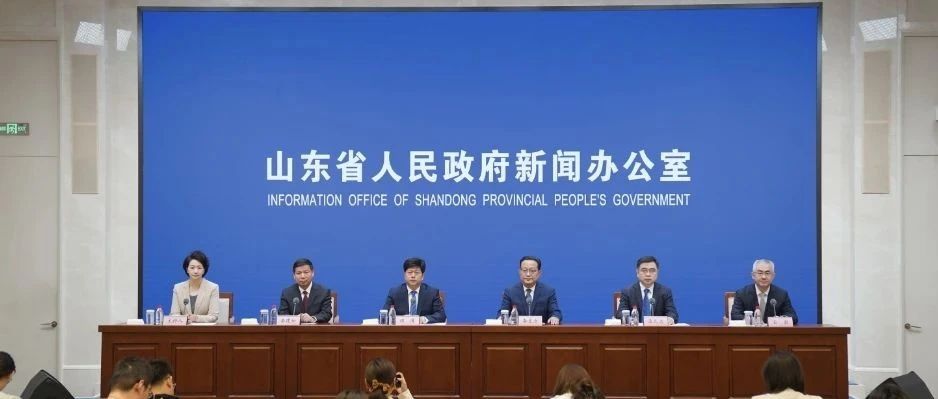
Core Viewpoint - Shandong Province is actively implementing the "Eight Major Actions" to promote high-level consumption of renewable energy, focusing on new energy storage projects and market development for energy storage [1][2][4]. Summary by Sections New Energy Storage Development - Shandong has launched a million-kilowatt action plan for new energy storage, establishing a market-driven mechanism for independent energy storage participation in spot market trading, and has achieved an operational scale of 8.085 million kilowatts, quadrupling since the end of 2022 [1][17]. - The province aims to increase the new energy storage capacity to over 10 million kilowatts by the end of this year [2][18]. Market Mechanisms and Policies - The province is implementing measures to widen the price gap for energy storage, allowing for greater market returns and transforming energy storage from a cost item to a value item [2][17]. - New energy storage will participate in frequency regulation and other auxiliary service markets, enhancing profitability through a multi-use trading model [2][17]. Renewable Energy Consumption - As of 2024, Shandong's renewable energy installed capacity reached 125 million kilowatts, accounting for over 51% of total capacity, with solar and wind power leading nationally [4][5]. - The province has set a target to optimize the ratio of solar to wind power installations from 3.2:1 to 2.6:1 by the end of the year to better utilize the complementary characteristics of these energy sources [5][9]. User Participation and Market Reforms - Shandong is enhancing user participation in energy consumption through dynamic pricing mechanisms, encouraging users to adjust their consumption patterns based on peak and off-peak pricing [13][15]. - The province has established a virtual power plant system that aggregates distributed energy resources, achieving a total adjustable capacity of 550,000 kilowatts [14][22]. Future Directions - The province will continue to support the development of new energy technologies and applications, including compressed air and electrochemical storage, to further enhance energy storage capabilities [18][19]. - Shandong aims to strengthen the integration of energy planning and market reforms to ensure a coordinated approach to renewable energy development and consumption [8][9].
CF Energy Announces Financial Results For The Year ended December 31, 2024
Globenewswire· 2025-04-28 21:26
Financial Performance - Revenue for the year ended December 31, 2024, was RMB520.0 million (approx. CAD99.0 million), an increase of RMB86.0 million (approx. CAD16.2 million), or 20%, from RMB434.0 million (approx. CAD82.8 million) in 2023 [3] - Gross profit in 2024 was RMB134.6 million (approx. CAD25.6 million), an increase of RMB15.3 million (CAD2.8 million) or 13% from RMB119.3 million (approx. CAD22.8 million) in 2023, with a gross profit margin of 25.9%, down from 27.5% in 2023 [4] - Net profit for 2024 was RMB16.9 million (approx. CAD3.2 million), an increase of RMB13.9 million (approx. CAD2.6 million) from RMB3.0 million (approx. CAD0.6 million) in 2023, reflecting a 467% increase [5] - EBITDA for 2024 was RMB103.9 million (approx. CAD19.8 million), an increase of RMB31.7 million (approx. CAD6.0 million), or 44%, from RMB72.2 million (approx. CAD13.8 million) in 2023 [7] Business Transformation - CF Energy has transitioned from a traditional natural gas company to a district energy solutions provider, with the Sanya Haitang Integrated Smart Energy Project now operational and expanding its customer base [8] - The company operates a battery swap station network, aiming to test the viability of district energy storage through this initiative, enhancing its expertise in storage-related technology [9] - The company envisions a smart energy centralized cooling system for hotels and battery swap stations, functioning as a virtual power plant to provide grid services such as peak shaving and load balancing [10][22] Strategic Outlook - The company aims to become the largest clean energy service solutions provider and carbon asset management company in Hainan, recognizing the need to evolve beyond being a natural gas distributor [12] - CF Energy is developing a distributed smart energy ecosystem that integrates various energy storage technologies and energy management systems to enhance sustainability and efficiency [13][17] - The company is working on integrating a demand response system to optimize energy usage during peak periods, allowing for real-time monitoring and control of energy flows [23]