
Flying taxis

Search documents
Tech companies want flying taxis on the battlefield
Business Insider· 2025-12-16 10:27
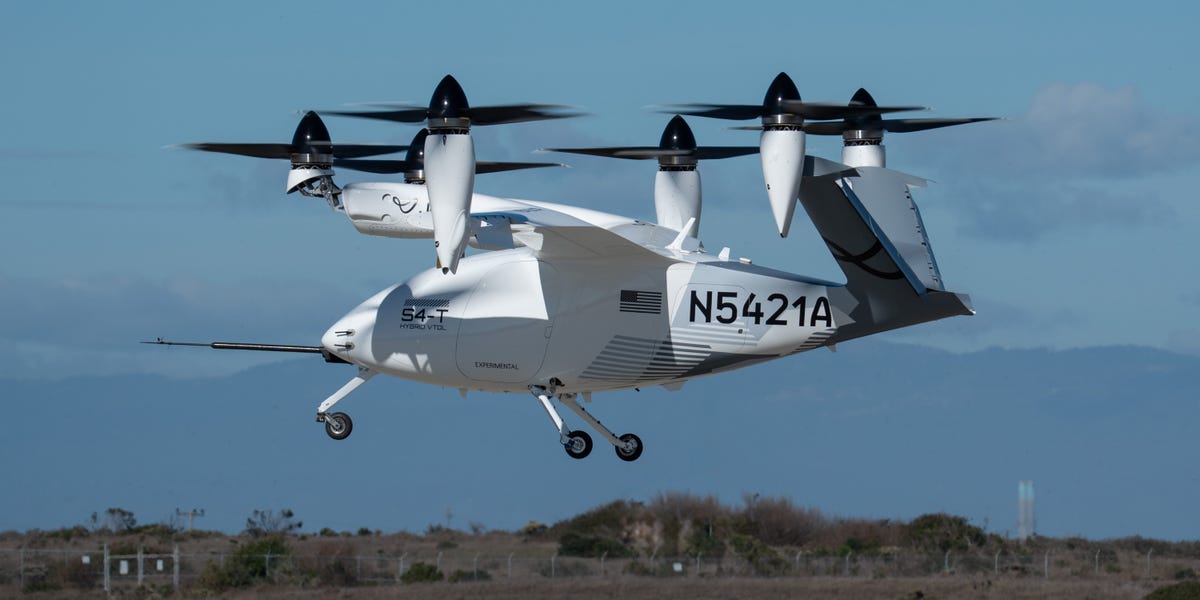
Group 1: Industry Overview - US tech companies are developing flying taxis for short commercial flights and military applications, with potential clearance expected in the next few years [1][2] - The Pentagon is focusing on the tech industry for new weaponry, pledging billions for hybrid and autonomous VTOL technology [2] Group 2: Company Developments - Companies like Archer Aviation, Joby Aviation, and Beta Technologies are creating gas-electric hybrid vehicles for military use, which could be more cost-effective and quieter than helicopters [3][5] - These companies are also integrating autonomous technology into their designs for military applications, enhancing capabilities for intelligence and supply transport [3][5] Group 3: Competitive Landscape - American air-taxi manufacturers are competing with Chinese firms like EHang, although the US has not lost its edge in the VTOL market [4] - Beta's CEO emphasizes the importance of superior technology to maintain a competitive advantage over Chinese developments [4] Group 4: Military Collaboration - Joby and Archer are collaborating with traditional defense firms to develop military VTOLs, indicating a trend towards dual-use technology [6] - Anduril Industries is also involved in military VTOL development in partnership with Emirati defense company Edge Group [6] Group 5: Regulatory Challenges - Securing FAA certification is a significant hurdle for commercial adoption of air taxis, although recent initiatives aim to facilitate testing [7] - Joby is leading in the certification process, with hopes to achieve commercial flight by 2026 [8]



Thinking of Buying Joby Aviation? Here Are 3 Red Flags to Consider First.
The Motley Fool· 2025-10-16 09:02
Core Insights - Joby Aviation is focused on making air taxis a reality, aiming for fast, quiet, and zero-emission flights in urban areas [1] - The company is backed by significant partners like Toyota Motor and ANA Holdings, positioning it well in the electric vertical takeoff and landing (eVTOL) market [2] - Despite its promising vision, Joby faces substantial risks that investors should consider before investing [3] Financial Performance - Joby generated only $15,000 in revenue in the first half of 2025, remaining a pre-revenue company [4] - The company reported an operating loss of $168 million and an adjusted EBITDA loss of $132 million in Q2 2025, with a six-month cash burn of approximately $245 million [5] - Joby ended the quarter with $991 million in cash and short-term investments, providing about two years of operational runway at current spending levels [5][6] Regulatory and Execution Risks - Joby's future depends on achieving FAA certification, which is crucial for flying passengers and delivering aircraft [7] - The company is more than halfway through Stage 4 of the FAA's certification process, with flight testing expected to begin in 2026 [7] - Certification for eVTOL aircraft is unprecedented, and any delays could push commercial flights further into the future [8][9] Path to Profitability - Joby's business model is capital-intensive, requiring aircraft production, pilot training, maintenance, and vertiport access before generating revenue [11] - The planned acquisition of Blade Air Mobility's passenger business aims to expedite market entry but introduces short-term expenses and operational complexity [12] - Increasing competition from other eVTOL companies could limit pricing power and extend the timeline to breakeven [13] Investment Considerations - Joby Aviation leads in regulatory progress and partnerships, offering a first-mover advantage in the eVTOL market [14] - The company remains pre-revenue and faces significant financial and operational risks, making the stock speculative [14][15] - Long-term investors may consider Joby as a potential leader in urban air mobility, but should monitor its progress towards establishing a viable business [15]