Gemini AI Storybook功能

Search documents
AI几分钟生成的绘本,你敢给孩子读吗?
创业邦· 2025-10-31 00:08
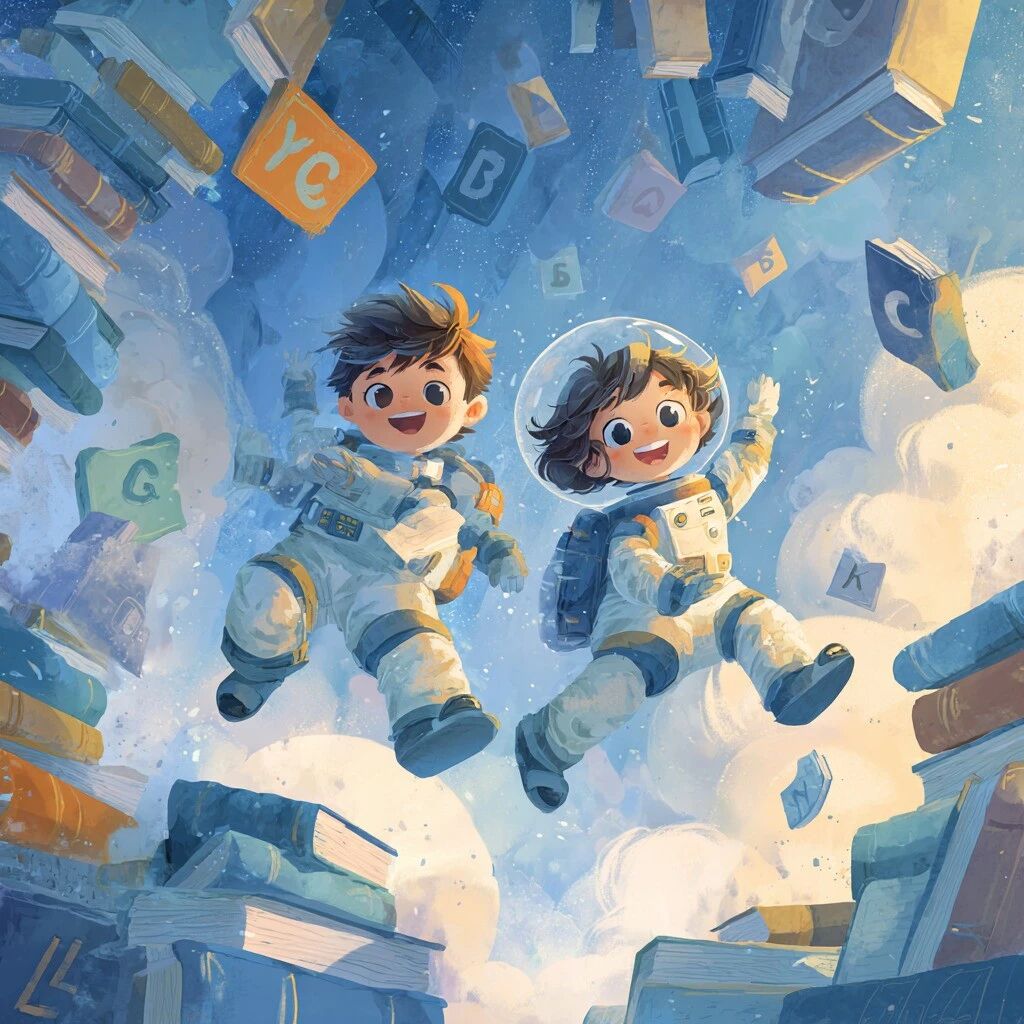
Core Insights - The article discusses the rise of AI-generated picture books, highlighting the ease of creation and the potential for customization in storytelling through AI technology [6][24][30]. Group 1: AI Technology and Capabilities - AI has advanced to a point where users can create picture books by simply describing a story in natural language, with AI generating the content in under a minute [6][8]. - The Gemini AI model has introduced features like Storybook, allowing users to input brief descriptions and receive a complete illustrated story [6][18]. - The consistency of character design has improved significantly, addressing previous issues where characters would change appearance throughout the story [14][18]. Group 2: Market Trends and Business Models - The AI picture book market is driven by a demand for customized stories, with parents seeking unique narratives for their children [28][29]. - Many content creators are monetizing AI picture book creation by selling tutorials and prompts, indicating a shift towards teaching others how to utilize AI tools rather than selling the books themselves [24][30]. - The emergence of one-stop platforms for AI picture book creation simplifies the process, making it accessible to non-professionals and increasing the volume of creative output [22][28]. Group 3: Educational Applications and Social Impact - AI picture books are being utilized in educational contexts, such as helping children learn English through engaging visual stories [26][28]. - There is a growing interest in using AI-generated content to address specific needs, such as creating resources for children with autism [26][28]. - The demand for diverse and inclusive narratives in children's literature is prompting parents to seek out AI-generated stories that reflect broader themes [27][29]. Group 4: Challenges and Limitations - Despite advancements, AI-generated picture books still face challenges in achieving the depth and nuance of traditional publishing, with concerns about the quality of storytelling and artistic expression [29][32]. - The "black box" nature of AI models raises ethical concerns, particularly regarding the biases that may be present in the training data, which could affect the content produced for children [32][33]. - Current AI models struggle with modifying existing content, indicating a need for further development in the customization capabilities of AI-generated stories [32].