Gene therapy for Hunter syndrome

Search documents
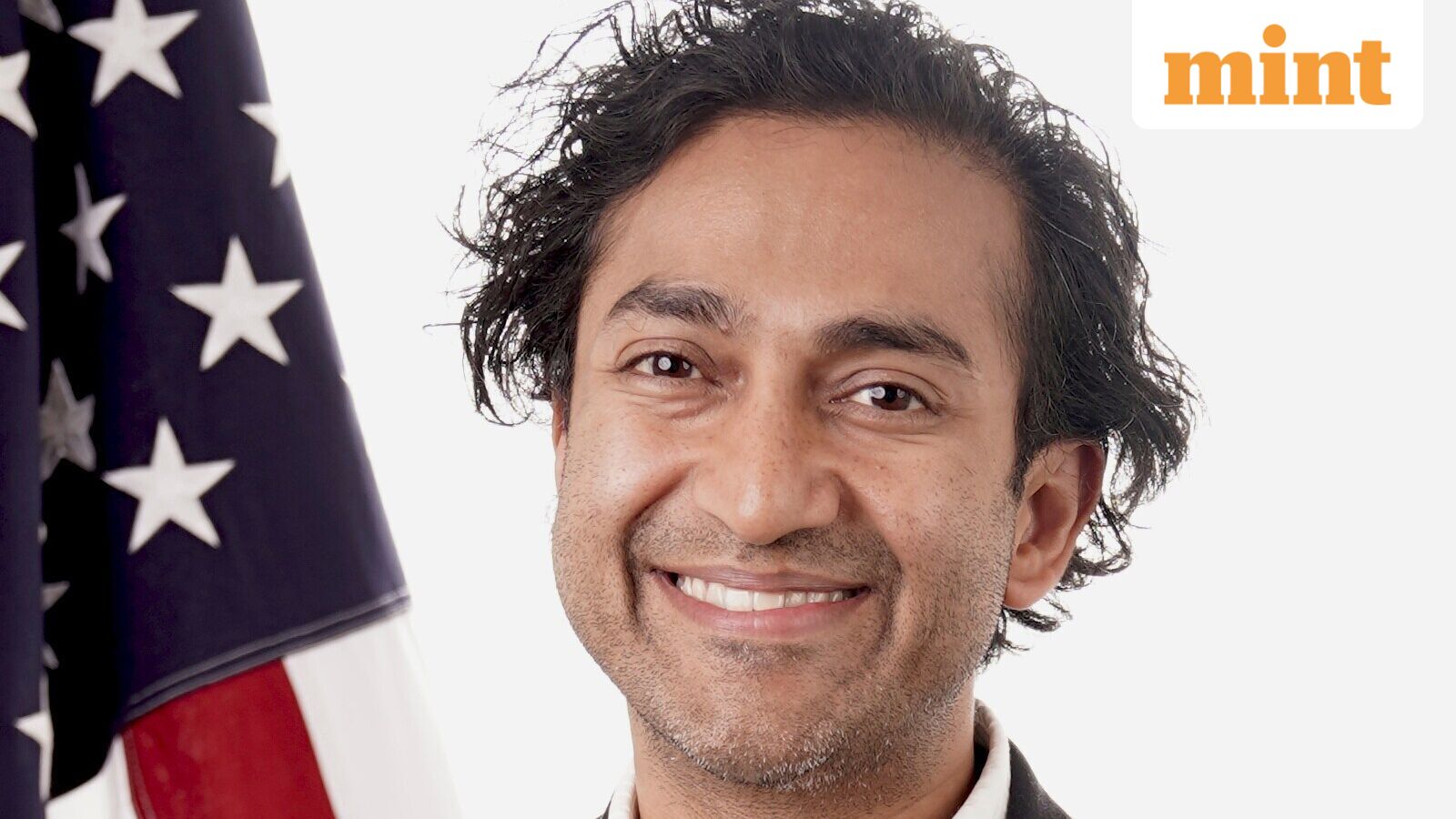
Who is Vinay Prasad? US FDA vaccine chief to step down next month
MINT· 2026-03-07 09:33
Core Viewpoint - Dr. Vinay Prasad, head of the FDA's division of vaccines and gene therapies, is resigning to return to academia after implementing significant reforms during his tenure [1][2]. Group 1: FDA Reforms and Achievements - Prasad implemented four major reforms: a 2-to-1 pivotal trial requirement, national priority reviews, a risk-stratified COVID vaccine framework, and a new plausible mechanism framework for ultra-rare diseases [2]. - Under Prasad's leadership, the FDA achieved a record number of approvals in December, indicating a productive year [3]. Group 2: Industry Reactions - The announcement of Prasad's departure led to a rise in biotech shares, with analysts describing it as a "sigh of relief" for the biotech industry [6]. - Companies like UniQure NV and Regenxbio Inc. saw significant stock price increases of up to 70% and 29%, respectively, following the news, reflecting investor optimism regarding regulatory changes [9]. Group 3: Controversies and Criticisms - Prasad faced criticism for overruling scientific review staff and adopting a confrontational approach, which some believed hindered scientific innovation and slowed drug approvals [7]. - His decision not to review Moderna Inc.'s application for a new flu vaccine was met with backlash, although the FDA later reversed this decision [8].


FDA reversals leave investors worrying about the fates of other experimental drugs
CNBC· 2026-03-06 16:33
Core Viewpoint - Investors are increasingly concerned about the future of experimental drugs for hard-to-treat diseases due to recent rejections by the U.S. Food and Drug Administration (FDA) [1][4]. Group 1: FDA Rejections and Investor Sentiment - The FDA has denied or discouraged applications for at least eight drugs in the past year, including gene therapies for Huntington's disease and Hunter syndrome, as well as a drug for a blood condition [2]. - The FDA's rejections stem from issues with the evidence provided by companies, such as the lack of placebo-controlled studies and reliance on biomarkers instead of direct efficacy measurements [3]. - Companies have accused the FDA of reversing previous guidance, leading to investor wariness about the agency's unpredictability and its impact on future treatments [4]. Group 2: Regulatory Standards and Implications - Historically, the FDA was more lenient with drugs for rare diseases, allowing approvals based on less rigorous studies, which has drawn both support and criticism [5]. - The recent decisions have raised questions about whether the FDA's standards have changed for other drugs in development, as seen with UniQure being asked to conduct a new placebo-controlled study [6]. - Analysts are monitoring several companies, including Dyne Therapeutics and Taysha Gene Therapies, whose stock prices have declined this year amid regulatory uncertainty [8]. Group 3: Company Responses and Future Outlook - Dyne Therapeutics expressed confidence in its development strategy and ongoing dialogue with the FDA, while other companies like Taysha, Wave, and Lexeo declined to comment [9]. - Denali Therapeutics is awaiting a decision on its drug candidate for Hunter syndrome, with the FDA delaying its review by three months, now expected by April 5 [12]. - Some investors perceive a disconnect between the FDA's public commitments to flexibility and its recent decisions, leading to skepticism about the success of companies relying on flexible data acceptance [13]. Group 4: FDA's Position on Data Requirements - A senior FDA official stated that the agency's stance on using biomarkers for accelerated approval remains unchanged, and non-randomized data can still lead to full approval [15]. - The official emphasized that significant improvements in severely ill patients could warrant full regulatory approval even with limited data [16]. - The FDA requires randomized data primarily in cases where conditions are heterogeneous or when the potential for misleading results is high [17].