Kerendia (finerenone)

Search documents
Bayer Wins EC Approval to Expand Kerendia in Heart Failure Treatment
ZACKS· 2026-03-31 18:46
Core Insights - Bayer has received approval from the European Commission for the label expansion of Kerendia (finerenone) to treat adults with heart failure with left ventricular ejection fraction (LVEF) ≥40% [1][8] Group 1: Drug Approval and Efficacy - The approval is based on the phase III FINEARTS-HF study, which showed that finerenone significantly reduced cardiovascular death and heart failure events compared to placebo [3][8] - Heart failure affects over 64 million people globally, with at least 15 million in Europe, and approximately half of these patients have LVEF ≥40% [4] Group 2: Market Presence and Sales Performance - Finerenone is already marketed as Kerendia in over 100 countries, including major markets like China, Europe, Japan, and the United States, primarily for chronic kidney disease associated with type II diabetes [2] - Kerendia generated sales of €829 million in 2025, reflecting a 79% increase from 2024, contributing to the growth of Bayer's pharmaceutical unit [6][8] Group 3: Ongoing Research Programs - The FINEARTS-HF study is part of the larger MOONRAKER program, which is one of the largest phase III initiatives in heart failure, enrolling over 15,000 patients [5] - The THUNDERBALL program focuses on chronic kidney disease and includes several completed and ongoing studies aimed at expanding the use of finerenone [6] Group 4: Company Performance and Strategy - Bayer's stock has surged 84.4% over the past year, significantly outperforming the industry average gain of 8.6% [7] - The company is focusing on expanding its portfolio with new products like prostate cancer drugs Nubeqa and Kerendia, which are performing well despite declines in other areas [9]


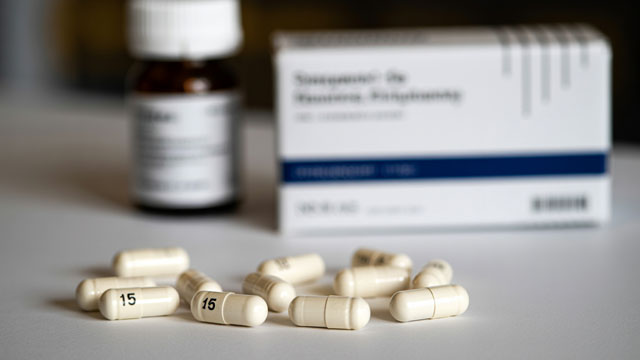
Heart Failure Drugs Market Size to be Valued at USD 28.29 Billion by 2033 Due to the Demographic and Epidemiological Trends Globally
Globenewswire· 2026-02-09 09:00
Market Overview - The Heart Failure Drugs Market is valued at USD 8.80 Billion in 2025 and is projected to reach USD 28.29 Billion by 2033, growing at a CAGR of 15.73% from 2026 to 2033 [1][7][20] - The U.S. Heart Failure Drugs Market is estimated at USD 2.54 Billion in 2025 and expected to grow to USD 8.03 Billion by 2033, with a CAGR of 15.47% during the same period [3] Market Drivers - The growth of the heart failure medications market is primarily driven by demographic trends, particularly the aging population, which increases the risk of heart failure and cardiovascular diseases [2][8] - The rising prevalence of lifestyle-related conditions such as hypertension, diabetes, and obesity is contributing to the increased demand for heart failure treatments [2][8] Market Segmentation - By Type: ACE Inhibitors hold the largest market share at 34.80%, while Beta Blockers are the fastest-growing segment with a CAGR of 12.90% [10] - By Application: Tablets lead the market with a 49.60% share, while injections are the fastest-growing segment with a CAGR of 11.70% [11] - By Distribution Channel: Hospital Pharmacies dominate with a 45.20% share, and Online Pharmacies are the fastest-growing segment with a CAGR of 14.80% [15] Regional Insights - North America accounted for over 40.65% of the Heart Failure Drugs Market in 2025, driven by high prevalence of cardiovascular diseases and advanced healthcare infrastructure [17] - The Asia Pacific region is expected to grow at the fastest rate with a CAGR of 16.81%, fueled by increasing cardiovascular disease prevalence and improving healthcare access [17] Recent Developments - Bayer AG received FDA approval for its drug Kerendia (finerenone) in July 2025, targeting heart failure patients with left ventricular ejection fraction (LVEF) ≥40% [21] - Cytokinetics launched a Phase 3 trial for omecamtiv mecarbil in December 2024, focusing on patients with symptomatic heart failure and severely reduced ejection fraction [21]
Bayer Accelerates Growth With siRNA, AI Deals and Pipeline Progress
ZACKS· 2026-01-09 15:20
Core Insights - Bayer AG has entered a collaboration and global licensing agreement with Soufflé Therapeutics to develop a heart-targeted siRNA therapy for a rare form of dilated cardiomyopathy, enhancing its position in next-generation genetic medicines [1][9] - Soufflé Therapeutics' proprietary platform enables cell-selective delivery of siRNA therapies, potentially reducing off-target effects and the need for frequent dosing [2][9] - Bayer is also enhancing its R&D capabilities through a strategic collaboration with Cradle to integrate AI technology into its therapeutic antibody pipeline [4][5][6] - Bayer's AskBio has received FDA acceptance for its IND application for AB-1009, a gene therapy for late-onset Pompe disease, advancing into a phase I/II study [7][8] Bayer's Strategic Collaborations - The collaboration with Soufflé Therapeutics aims to bolster Bayer's cardiovascular portfolio and leverage Soufflé's capabilities in the siRNA space [3][9] - Bayer's partnership with Cradle focuses on deploying AI for protein engineering, aiming to accelerate lead generation and optimization [4][5] - Cradle's platform will support Bayer's antibody scientists in integrated design and testing cycles [6] Recent Developments and Performance - Bayer's stock has surged 123.7% over the past year, significantly outperforming the industry growth of 20.9% [11] - New drug approvals, including prostate cancer drug Nubeqa and kidney disease drug Kerendia, have contributed to Bayer's strong performance, offsetting declines in Xarelto sales [13][14] - Recent FDA approvals for elinzanetant and Hyrnuo have further strengthened Bayer's product offerings [14][15] - Bayer's pipeline progress includes the acceptance of a new drug application for gadoquatrane and positive results from the OCEANIC-STROKE Study for asundexian [16][17]