Prefabricated Building

Search documents
2026年1月起——海南将优化调整装配式建筑实施范围
Hai Nan Ri Bao· 2025-08-12 01:29
Core Points - The Hainan Provincial Department of Housing and Urban-Rural Development has issued a notice to enhance the management of prefabricated building construction, effective from January 1, 2026, aiming to optimize the implementation scope and promote high-quality development tailored to Hainan's tropical island characteristics [1][2] - New construction projects obtaining planning permits will not be required to use prefabricated methods if they meet specific criteria, including total building area below 5,000 square meters and certain limitations on auxiliary facilities [1] - Regulatory authorities will improve the calculation rules for prefabrication rates and strengthen the quality and safety management of prefabricated building structures, implementing differentiated management based on seismic fortification levels [1] Industry Developments - The establishment of a traceable quality system for prefabricated building components will enhance information-based supervision during the construction process, improving production efficiency and regulatory effectiveness [2] - The adoption of Building Information Modeling (BIM) for forward design is encouraged, aiming for real-time monitoring and optimization of energy consumption and carbon emissions throughout the project lifecycle [2] - The industry is urged to collaborate with research institutions to develop high-strength building materials and technologies that resist harsh environmental conditions, thereby enhancing the capabilities of prefabricated buildings [2]
广州拟出台新规:明年起新出让宅地全部实施装配式建筑
Nan Fang Du Shi Bao· 2025-06-25 03:28
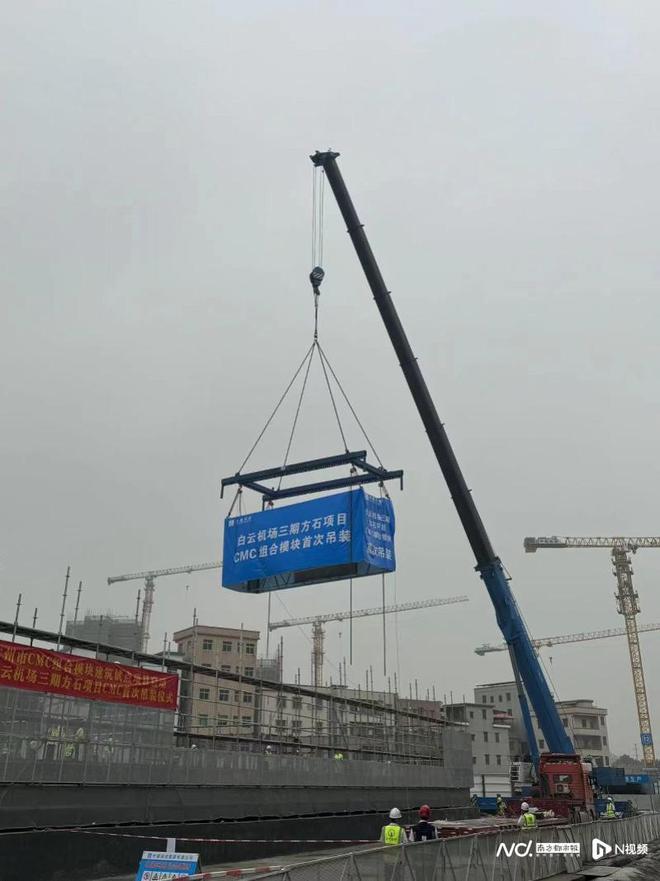
Core Viewpoint - Guangzhou plans to require all residential land sold from 2026 to implement prefabricated construction methods, aligning with the central government's push for industrialized building practices [2][3] Group 1: Prefabricated Construction Overview - Prefabricated construction involves producing building components like walls and floors in factories, which are then transported to construction sites for assembly, significantly reducing on-site construction time and improving quality control [3] - In 2023, prefabricated buildings accounted for 48.42% of new construction in Guangzhou, with certain districts exceeding 50% [3] Group 2: Future Goals and Measures - By the end of 2030, the goal is for prefabricated buildings to represent no less than 80% of new construction, with the total output value of the smart construction and industrialized building industry exceeding 500 billion yuan [3] - From 2026, all residential land sold must utilize prefabricated construction, with at least 10% of new building area designated for modular construction each year [3][4] Group 3: Public and Government Projects - Government-funded public buildings such as schools and hospitals are expected to adopt modular construction, with a minimum of 15% of new construction area in urban village renovation and public rental housing projects also required to use modular methods [4] - New construction projects exceeding 120 meters in height are encouraged to use construction lifts and robotic equipment, with these requirements integrated into land sale agreements and approval processes [4]