
Rooftop Solar Panels

Search documents
Govt's push to accelerate rooftop solar slowed by reluctant lenders, states
Business· 2026-02-16 01:56
Core Insights - India's push for rooftop solar power is facing significant challenges, including loan delays and limited support from state utilities, which may hinder the country's clean energy goals [1][3][10] Group 1: Government Initiatives and Targets - The Indian government aims to nearly double clean energy capacity to 500 gigawatts by 2030, but current residential solar installations are only at 2.36 million, falling short of the 4 million target by March [1][3] - The subsidy program for residential solar installations, initiated in February 2024, covers up to 40% of installation costs [2] Group 2: Loan and Approval Challenges - Approximately 60% of rooftop solar applications are still pending approval, with about 7% rejected, indicating significant bottlenecks in the approval process [4] - Banks are delaying or rejecting loans due to documentation issues, which are seen as necessary to protect public funds [6] - Some banks are imposing collateral requirements for loans under 200,000 Indian rupees ($2,208.87), contrary to scheme guidelines, which is limiting solar power growth [8] Group 3: State Utility Involvement - State-owned utilities are hesitant to promote rooftop solar due to concerns over revenue loss as customers shift away from the electric grid [10] - Wealthier households, which typically consume more electricity, are more likely to adopt rooftop solar, further impacting utility revenues [10]

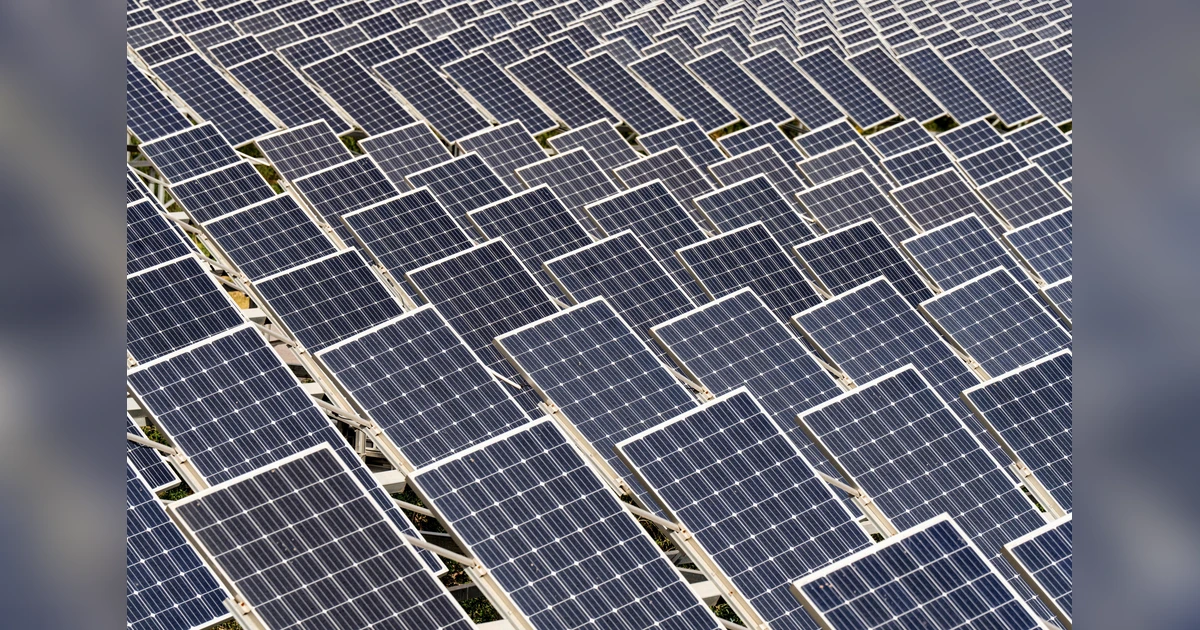
PM Modi's rooftop solar push slowed by reluctant lenders, states
The Economic Times· 2026-02-16 01:07
Core Insights - India's efforts to nearly double clean energy capacity to 500 gigawatts by 2030 are facing significant challenges, including a backlog of awarded projects and a suspension of clean energy tendering targets [1][12] - The residential solar panel installation program, initiated in February 2024, aims to cover up to 40% of installation costs, but current installations are at 2.36 million, falling short of the 4 million target by March [1][2][12] - Banks are reluctant to lend due to documentation issues, which could hinder India's transition away from coal [5][12] Government Initiatives - The Ministry for New and Renewable Energy's subsidy program for residential solar installations is designed to benefit over 3 million households, but three in five rooftop solar applications are still pending approval, with about 7% rejected [6][12] - The program, known as PM Surya Ghar, allows consumers to select vendors who handle paperwork and arrange bank financing for solar panels [7][12] Banking and Financing Issues - Banks are rejecting or delaying loans for various reasons, including insufficient documentation, which they argue is necessary to protect public funds [8][12] - Some banks are imposing collateral demands for loans under Rs 200,000 ($2,208.87), despite guidelines not requiring such measures, which is constraining solar power additions [10][12] State Utility Concerns - State-owned utilities are hesitant to promote rooftop solar due to concerns over revenue loss as sales shift off the electric grid [11][12] - Wealthier households, which typically have high electricity consumption, are more likely to shift to solar, leaving a larger financial burden on utilities [11][12]
