Toyota Hilux

Search documents
Malaysia vehicle sales surge 27% in January
Yahoo Finance· 2026-02-17 10:06
Market Overview - Malaysia's new vehicle market rebounded by 27% to 64,298 units in January 2026, compared to 50,449 units in January 2025, driven by additional working days due to the Lunar New Year timing [1] - The vehicle market was supported by high registrations of vehicles purchased before the end of 2025, new locally produced models, and aggressive year-end promotions by dealers [2] Economic Context - Consumer sentiment has improved, contributing to economic growth of 6.3% year-on-year in Q4 2025, up from 5.4% in Q3, driven by stronger domestic consumption, investment, and exports [2] - The overall economy expanded by 5.2% in 2025, slightly up from 5.1% in 2024 [2] Vehicle Sales Breakdown - Light passenger vehicle sales increased by 28% year-on-year to 60,369 units, while commercial vehicle sales rose by 15% to 3,929 units [3] - Battery electric vehicle (BEV) sales surged to 6,239 units from 1,691 units a year earlier, with the Proton eMas 5 leading at 3,068 units sold [3] Production and Future Outlook - Vehicle production in Malaysia rose by 6% to 60,866 units in January 2026, compared to 57,450 units in January 2025 [4] - The vehicle market is expected to weaken in February 2026 due to the Lunar New Year holidays, with GlobalData forecasting a 3.2% decline in light vehicle sales to 801,000 units for the entire year [4] Company Performance - Perodua's sales increased by 12% to 26,130 units in January 2026, supported by the launch of the new Traz compact SUV and its first BEV model [5] - Proton reported a 35% increase in global vehicle sales to 19,833 units, with the Saga being the best-selling model [5] - UMW Toyota experienced a nearly 23% rise in wholesale deliveries to 6,598 units, with the Vios and Hilux as top sellers [6]
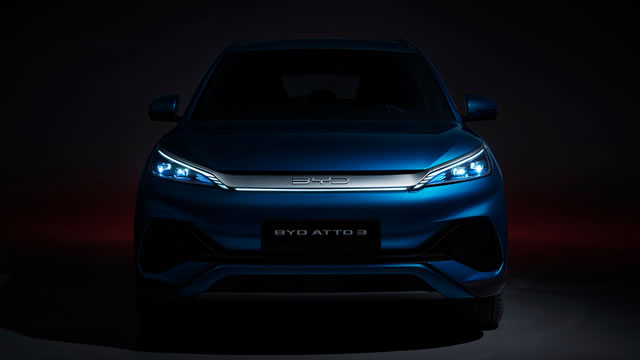
BYD to Expand Portfolio With Compact and Affordable Pickup
ZACKS· 2025-12-23 16:45
Key Takeaways BYD plans a compact pickup below the Shark 6, with patents pointing to an entry-level model.BYD's patent images show unibody construction, suggesting a smaller, lower-cost truck than the Shark 6.BYD expects a near-term unveiling, production starting early 2026, and right-hand-drive versions soon after.BYD Company Limited (BYDDY) is preparing to unveil a new pickup truck positioned below the Shark as a more affordable option, per Electrek. The recent design patents offer an early glimpse.The au ...

India's Mahindra Expands in South Africa as Tariffs Hit Autos
Youtube· 2025-10-11 05:00
Core Insights - The South African automotive industry is facing challenges from increasing imports, particularly affordable vehicles from India and China, which may force local manufacturers like VW, Mercedes, and Ford to downsize to remain competitive [3][4][9] - South Africa is a significant player in global bakkie production, ranking in the top ten, supported by favorable incentive programs, but struggles to compete in other vehicle categories against countries like China and India [4] - The demand for luxury vehicles in the U.S. has driven investment in South Africa's luxury brand production, although this demand is now declining [5][6] Industry Dynamics - The South African market produces around 2 million vehicles, while India produces approximately 6 million, highlighting the potential for South Africa to increase vehicle production for the continent [2] - Mahindra's assembly plant in Durban is the largest outside India, producing nearly a thousand pickups monthly, indicating a successful integration into the South African market [7][8] - The growth of global south-to-south trade presents both opportunities and challenges, with some manufacturers like Mercedes already cutting jobs in South Africa due to increased competition [9]

Botswana Seeks De Beers Control; Jumia Rides Trade War Tailwind | Bloomberg Next Africa
Youtube· 2025-09-27 05:00
Group 1: Ethiopia and the Grand Ethiopian Renaissance Dam (GERD) - The Grand Ethiopian Renaissance Dam, Africa's largest hydropower project, has been inaugurated with an estimated cost of $5 billion and aims to generate over 15,700 gigawatt hours annually, providing electricity to Ethiopia and neighboring countries [3][4][6] - Ethiopia anticipates significant economic impacts from the dam, including industrialization, with the industrial sector growing at an annual rate of 10% and energy demand from this sector increasing by 40% yearly [8] - The Ethiopian government aims to generate $1 billion annually from power exports, with current exports to Djibouti, Kenya, and Tanzania [8][9] - The dam has caused tensions with downstream countries Egypt and Sudan, which are concerned about reduced water flow and have called for a legally binding agreement on the dam's operation [5][12][14] Group 2: South-South Trade and Automotive Industry - The trade war initiated by Donald Trump has accelerated South-South trade, particularly between India and South Africa, with Indian automaker Mahindra expanding its presence in South Africa's Bakkie market [32][33] - South Africa's automotive industry faces challenges from imports, especially affordable vehicles from India and China, leading to concerns about potential job cuts in local manufacturing plants [36][43] - Mahindra's assembly plant in Durban has become a significant player in the market, producing nearly a thousand pickups each month, while Tata Motors plans to enter the South African market with SUVs [41][42] Group 3: E-commerce and Supply Chain Shifts - Jumia, Africa's largest e-commerce player, reports that shifting global supply chains are improving its ability to bring goods from China to Africa, with increased stability in currency aiding operations [44][46] - The trade tensions between China and the US have indirectly benefited Jumia by securing more supply for Africa as Chinese manufacturers adjust their markets [47] - Jumia focuses on e-commerce for physical goods targeted at the middle class in Africa, adapting its business model to the specific purchasing power of its markets [50][54]