
Global Partners LP

Search documents
Omada Health's Enhanced GLP-1 Care Track Demonstrates Increased Medication Persistence and Weight Loss Outcomes at 12 and 24 Weeks
GlobeNewswire News Room· 2025-06-17 13:00
Core Insights - Omada Health's GLP-1 companion program significantly enhances medication persistence rates for GLP-1 medications, leading to improved weight loss outcomes comparable to clinical trials [1][2][4] Group 1: Medication Persistence and Weight Loss - Omada's analysis of 1,124 members showed that those who adhered to their GLP-1 medication for 24 weeks had a persistence rate of 84%, compared to lower rates in previous studies [2][4] - Members who maintained their medication lost an average of 12.1% of their body weight over 24 weeks, while those who discontinued early lost only 7.4%, indicating a 64% relative increase in weight loss for persistent users [2][4] Group 2: Support and Resources - The Enhanced GLP-1 Care Track provides targeted resources, including education on dose titration, side effects, nutrition guidance, and exercise support, to help members overcome barriers to medication persistence [3][4] - Omada aims to ensure that increased access to GLP-1 medications translates into sustainable long-term health benefits through enhanced support and engagement in healthy lifestyle changes [4][5] Group 3: Company Overview and Impact - Omada Health is a virtual-first healthcare provider focused on chronic disease management, with over a decade of experience and 29 peer-reviewed publications demonstrating its clinical and economic effectiveness [5][6] - The company serves more than 2,000 customers, including health plans and employers, and emphasizes a strong work culture, earning recognition as a Great Place to Work® [5][6]



Global Partners (GLP), a Top Stock to Buy Amid the Spike in Oil Prices
ZACKS· 2025-06-16 22:16
Core Viewpoint - Global Partners (GLP) is positioned as an attractive investment opportunity amid rising crude oil prices due to geopolitical tensions and supply disruptions [1][2]. Group 1: Market Context - Escalating tensions in the Middle East, particularly between Israel and Iran, have raised concerns about oil supply disruptions, as Iran is a significant oil producer [2]. - Wildfires in Canada have led to a reduction of approximately 350,000 barrels of oil production per day [2]. - OPEC has been unable to reach an agreement to increase global oil output, contributing to the current market dynamics [2]. - WTI crude prices have increased by 15% over the last month, surpassing $70 per barrel, despite a slight dip of over 1% on Monday [2]. Group 2: Company Performance - Global Partners operates a vast network of liquid energy terminals from Maine to Florida, facilitating the storage and distribution of various petroleum products [4]. - The company has achieved a total return of +23% in 2025, outperforming the broader market and its peers in the oil refining and marketing sector [5]. - GLP's total sales are projected to increase by 37% in fiscal 2025, reaching $23.55 billion, up from $17.16 billion the previous year [10]. - Annual earnings per share (EPS) are expected to rise by 18% this year and an additional 6% in FY26, reaching $3.03 per share [11]. Group 3: Dividend and Distribution - Global Partners, as a Master Limited Partnership (MLP), benefits from a tax structure that allows it to pass income directly to shareholders, making it appealing to income investors [8]. - The company currently has a payout ratio of 94%, with an annual distribution yield of 5.8% [9]. - GLP has increased its dividend 17 times in the last five years, resulting in an annual growth rate of nearly 11% during this period [9][10]. Group 4: Investment Outlook - The stock is currently rated as a Zacks Rank 1 (Strong Buy), indicating strong investor interest [12]. - The reasonable forward earnings multiple of 19.5X suggests potential for further price appreciation as crude prices rise [12].
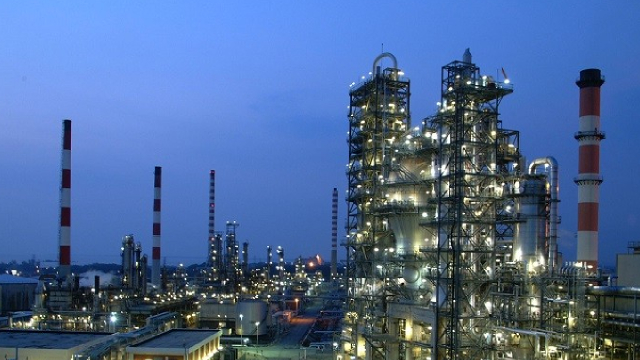
Global Partners LP(GLP) - 2025 Q1 - Earnings Call Presentation
2025-06-16 14:54
Company Overview - Global Partners operates approximately 1,700 fueling stations[14] - The company has 54 liquid energy terminals with approximately 21.9 million barrels of storage capacity[14] - The company owns or controls 786 retail sites, approximately 48% of the 1,561 supplied locations[42] Financial Performance (Q1 2025 vs Q1 2024) - Product margin increased to $288.6 million from $244.1 million[63] - Net income improved to $18.7 million from a loss of $5.6 million[63] - EBITDA increased to $91.9 million from $56.9 million[63] - Adjusted EBITDA increased to $91.1 million from $56.0 million[63] - Distributable Cash Flow (DCF) increased to $45.7 million from $15.8 million[63] - Adjusted DCF increased to $46.4 million from $16.0 million[63] Strategic Initiatives - The company is expanding into the Houston market through a joint venture, targeting a population of approximately 7 million residents[48, 50] - The company is focused on expanding EV charging access across retail locations[30]
iBio Initiates Non-Human Primate Study of First-in-Class Activin E Antibody Following Positive Preclinical Data Demonstrating Prevention in Weight Regain After GLP-1 Treatment
GlobeNewswire News Room· 2025-06-16 11:00
Core Insights - iBio has nominated IBIO-610 as a development candidate for its first-in-class Activin E antibody, focusing on its potential in treating obesity and related conditions [1][4] - The company is initiating a non-human primate (NHP) study to evaluate the pharmacokinetics and early efficacy signs of IBIO-610, particularly its impact on fat reduction and body composition [1][2] - Preclinical studies have shown promising results, including an 8.9% overall body weight loss in obese mice and a 26% reduction in fat, with enhanced effects when combined with GLP-1 therapy [2][3] Preclinical Study Results - In diet-induced obese (DIO) mice, IBIO-610 demonstrated a 77% increase in fat-selective weight loss when used alongside GLP-1 therapy [2] - Additional findings indicate a 31% reduction in subcutaneous fat, which increased to 74% when combined with a GLP-1 receptor agonist [3] - The ability of IBIO-610 to prevent weight regain after GLP-1 therapy discontinuation is highlighted as a significant advantage, addressing a common issue in obesity treatment [3] Upcoming Events - iBio will present additional preclinical data at the American Diabetes Association's 85th Scientific Sessions from June 20-23, with a specific poster presentation scheduled for June 23 [3][5] - The poster will focus on the Activin E-blocking antibody's potential for treating metabolic diseases [5] Company Overview - iBio, Inc. is a biotech company leveraging AI and advanced computational biology to develop biopharmaceuticals targeting cardiometabolic diseases, including obesity [6] - The company aims to transform drug discovery and accelerate development timelines through innovative drug discovery platforms [6]


Lexaria's DehydraTECH-Liraglutide Human GLP-1 Clinical Study Supports Pathway to Potential FDA Registration as an Orally-Delivered Capsule
Thenewswire· 2025-06-11 13:05
Core Insights - Lexaria Bioscience Corp. has successfully completed a human study comparing oral DehydraTECH-liraglutide to injected Saxenda®-branded liraglutide, with partial results now available [1][8] - The study demonstrated a 22.7% reduction in adverse events (AEs) for oral DehydraTECH-liraglutide compared to Saxenda®, with significant reductions in nausea (67%) and gastrointestinal AEs (31%) [3][4] - Lexaria is seeking a pharmaceutical partner to develop an FDA-registered oral alternative to current injectable GLP-1 drugs, addressing an unmet market need [2][10] Study Details - The study involved 10 overweight volunteers, comparing daily doses of Saxenda® (0.6 mg) and DehydraTECH-liraglutide (45 mg) over a 7-day period [13] - The primary endpoint was the evaluation of safety and tolerability, with secondary objectives including pharmacokinetics and effects on body weight, blood glucose, and insulin levels [16] - Weight loss was observed in 9 out of 10 participants in both study arms, although it was not the primary goal of the study [5] Technology and Market Context - DehydraTECH is a patented drug delivery technology that enhances bio-absorption and reduces side effects, with 48 patents granted and more pending [17] - The study's results suggest that DehydraTECH-liraglutide could provide a viable oral alternative to Saxenda® and other injectable liraglutide products, which generated significant revenue for Novo Nordisk [12] - Lexaria's approach may allow for an expedited FDA regulatory pathway under the 505(b)(2) application, contingent on demonstrating comparable performance to existing injectable versions [6][10]


Shell Faces Shareholder Pressure Over LNG Growth Strategy
ZACKS· 2025-05-22 10:36
Shell plc’s (SHEL) ambitions to lead the global gas and liquefied natural gas (LNG) market have encountered resistance from a significant portion of its shareholders. At its recent annual general meeting (AGM), over 20% of investors backed a resolution calling for greater transparency around the company’s gas-heavy strategy, citing concerns about climate commitments and long-term economic risk.Shell is betting heavily on gas in anticipation of a 60% global increase in demand through 2040, primarily from Asi ...


Petrobras' Austerity Leads to Strike by Brazilian Oil Workers
ZACKS· 2025-05-19 11:26
Core Viewpoint - Petrobras is facing a two-day warning strike due to stalled negotiations over variable compensation and cost-cutting measures, reflecting growing tensions between the company and its workforce [1][5][6]. Group 1: Company Strategy and Financials - Petrobras is implementing austerity measures in response to declining Brent crude oil prices, which are currently near $65 per barrel, necessitating tighter financial controls and cost reductions [2][3]. - The company has revised its five-year strategic plan to prioritize cost-cutting over its previous expansionary strategy, although the capital expenditure for 2025 remains unchanged [4]. - Petrobras aims to explore all avenues for cost reduction while focusing on simpler projects with quicker cash returns [4]. Group 2: Labor Relations and Union Response - The variable compensation plan has become a key point of contention for the oil workers' union, which argues that the company's cost-cutting approach undermines employee morale [5]. - The union, representing a significant portion of Petrobras' workforce, claims that management has shown little progress in negotiations, leading to the decision to strike [6]. - Petrobras has acknowledged the union's announcement but has not received an official notification of the strike and has not commented further on negotiations or austerity measures [7].


Pepsi: Forget GLP-1 And Dividend Cuts, These Are The Real Reasons Why It's Crashing
Seeking Alpha· 2025-05-17 13:00
Core Viewpoint - Pepsi was once regarded as a top consumer staple due to its consistent dividend growth over 50 years and strong share performance, but recent developments may indicate a shift in its market position [1] Financial Performance - Pepsi has maintained a growing dividend for 50 consecutive years, highlighting its commitment to returning value to shareholders [1] - The company's share price performance has been strong historically, contributing to its reputation as a reliable investment [1] Market Position - The perception of Pepsi as a leading consumer staple has changed over the past two years, suggesting potential challenges in its market standing [1]


Bullish Case for These Energy Stocks: GLP, NFG, EPSN
ZACKS· 2025-05-15 21:15
Industry Overview - Energy stocks are gaining strength as macro conditions improve and demand drivers increase, with recession fears easing and tariff negotiations progressing [1] - The global buildout of data centers is expected to significantly increase electricity demand, benefiting utilities, natural gas providers, and midstream energy firms [2] Crude Oil Market - Crude oil prices have shown technical strength, indicating a potential bottom, with recent price action suggesting a bullish reversal pattern [5][6] - A key resistance level has emerged near $64, and a breakout above this level could lead to a sustained move towards $70 [7] Company Highlights - **National Fuel Gas (NFG)**: - Vertically integrated natural gas company with a diverse business model, benefiting from multiple points along the energy value chain [8] - Currently holds a Zacks Rank 2 (Buy) with upward earnings revisions indicating analyst confidence [9] - Shares trade at 11.7x forward earnings, below the 10-year median of 14x and the industry average of 16.8x, with projected earnings growth of 20.4% annually over the next three to five years, resulting in a PEG ratio of 0.58 [10] - **Epsilon Energy (EPSN)**: - Small-cap natural gas exploration and production company focused on the Appalachian Basin, emphasizing capital efficiency and shareholder returns [11] - Holds a Zacks Rank 1 (Strong Buy) with earnings estimates surging, including a 38% increase for the current quarter [14] - Technical analysis shows a bullish flag pattern, with a breakout above $7.30 likely to trigger further buying [15] - **Global Partners (GLP)**: - Diversified midstream energy company involved in the wholesale, distribution, and retail of petroleum products, with a strong cash flow and market exposure [16] - Offers a 6% dividend yield, supported by consistent cash generation and a 10% average annual dividend increase over the last five years [17] - Holds a Zacks Rank 1 (Strong Buy) with significant earnings estimate revisions, including a 42.9% increase for the current quarter [18] Investment Outlook - With improving macro conditions, rising energy demand, and technical support in crude oil prices, the outlook for energy stocks is strengthening [20] - National Fuel Gas, Epsilon Energy, and Global Partners present a compelling mix of value, growth, and yield, making them attractive options for investors [20]


Global Partners LP(GLP) - 2025 Q1 - Quarterly Report
2025-05-08 17:41
Financial Performance - Net income for the three months ended March 31, 2025, was $18,684, compared to a net loss of $5,602 for the same period in 2024 [193]. - EBITDA for the same period increased to $91,858, up from $56,943 year-over-year, representing a growth of 61.5% [193]. - Distributable cash flow rose significantly to $45,689, compared to $15,785 in the prior year, marking an increase of 189.5% [193]. - Total sales for the wholesale segment reached $3,190,436, an increase from $2,639,348, reflecting a growth of 20.9% [193]. - Product margin for gasoline and gasoline blendstocks increased to $57,169, up from $29,761, indicating a growth of 92.5% [193]. - Total sales increased to $4.6 billion for the three months ended March 31, 2025, up $446.8 million or 11% from $4.1 billion in 2024 [206]. - Gross profit rose to $255.2 million, an increase of $40.1 million or 19% compared to $215.1 million in the prior year [209]. - EBITDA for the three months ended March 31, 2025, was $91.9 million, compared to $56.9 million in 2024, reflecting a significant increase [199]. - Distributable cash flow increased to $45.7 million for the three months ended March 31, 2025, up from $15.8 million in 2024, representing a growth of 189% [203]. Operational Overview - For the three months ended March 31, 2025, the company sold approximately $4.5 billion of refined petroleum products, gasoline blendstocks, renewable fuels, and crude oil [155]. - The company operates a portfolio of 1,561 gasoline stations, including 296 directly operated convenience stores, primarily in the Northeast [164]. - The company operates under three segments: Wholesale, Gasoline Distribution and Station Operations, and Commercial [158]. - The Commercial segment includes sales and deliveries to public sector and large commercial end users of unbranded gasoline, home heating oil, diesel, and other petroleum products [166]. - Seasonal demand for gasoline is typically higher in the second and third quarters, while home heating oil and residual oil demand peaks in the first and fourth quarters [168]. - The company engages in the logistics of selling, gathering, blending, storing, and transporting refined petroleum products and renewable fuels [158]. - The company relies on marine, pipeline, rail, and truck transportation services for its operations, and disruptions in these services could adversely affect financial performance [146]. Financial Position and Capital Expenditures - The company increased its working capital revolving credit facility from $950 million to $1 billion as part of the credit agreement amendment [157]. - Working capital decreased by $30.7 million to $176.5 million as of March 31, 2025, primarily due to a $125.2 million increase in the current portion of the working capital revolving credit facility and a $10.4 million increase in accounts payable [226]. - Total contractual obligations as of March 31, 2025, were $2.76 billion, with $347.9 million due in the remainder of 2025 and $2.41 billion due beyond 2025 [230]. - Maintenance capital expenditures for the three months ended March 31, 2025, were approximately $9.6 million, compared to $11.7 million for the same period in 2024 [233]. - Expansion capital expenditures for the three months ended March 31, 2025, were approximately $8.3 million, up from $4.9 million in the same period in 2024 [236]. - The company expects maintenance capital expenditures of $60.0 million to $70.0 million and expansion capital expenditures of $75.0 million to $85.0 million for the year 2025 [237]. Risks and Challenges - The company is exposed to risks from changes in commodity prices, which could adversely affect financial condition and results of operations [150]. - The company has contractual obligations for certain transportation assets, and a decline in demand could negatively impact financial condition and cash available for distribution [146]. - Higher prices and inflation may reduce demand for gasoline and convenience store sales, negatively affecting financial performance [173]. - Tariffs and import duties on petroleum products could materially impact operations and costs [173]. - Increased competition from alternative fuels and changing consumer preferences may reduce demand for heating oil and residual oil [173]. - Changes in government mandates and tax credits could adversely affect the availability and pricing of renewable fuels, impacting sales [174]. - Disruptions in transportation services, such as hurricanes or labor disputes, could adversely impact logistics and financial results [171]. - Joint ventures may not always align with the company's strategic objectives, potentially affecting expected returns [171]. Debt and Financing - The company has a $1.50 billion senior secured credit facility, which was amended to extend the maturity date to March 20, 2028 and increase the working capital revolving credit facility to $1.0 billion [251]. - As of March 31, 2025, the company had $354.7 million outstanding on the working capital revolving credit facility and $167.0 million on the revolving credit facility, with total remaining availability for borrowings and letters of credit at $0.91 billion [258]. - The average interest rates for the credit agreement were 6.6% for the three months ended March 31, 2025, compared to 7.4% for the same period in 2024 [257]. - Total borrowings outstanding under the credit agreement amounted to $521.7 million as of March 31, 2025, with a potential annual increase in interest expense of approximately $5.2 million from a 1% rise in interest rates [272]. - The company had 7.00% senior notes due 2027, 6.875% senior notes due 2029, and 8.250% senior notes due 2032 outstanding as of March 31, 2025 [264]. Derivative Instruments and Risk Management - The company utilizes various derivative instruments to manage exposure to commodity risk, including exchange-traded futures contracts and over-the-counter transactions [270]. - The fair value of all commodity risk derivative instruments was $(11,122) thousand as of March 31, 2025, with a potential loss of $(47,100) thousand from a 10% price decrease [277]. - The brokerage margin balance was $18.4 million at March 31, 2025, reflecting the company's open market positions and commodity exchange requirements [278]. - The company anticipates some nonperformance by counterparties to its derivative contracts but does not expect it to materially affect its financial condition [279]. - Financial covenants require the company to maintain certain minimum working capital amounts and leverage ratios, with compliance confirmed as of March 31, 2025 [260].