
First Bank

Search documents
RBI trims US treasury holding to below $200 bn amid gold rush
The Economic Times· 2026-01-10 00:00
Core Insights - India's gold reserves decreased to $190 billion at the end of October 2025, down by $50.7 billion compared to the previous year [1] - The Reserve Bank of India's (RBI) gold holdings increased to 880.18 metric tonnes from 866.8 metric tonnes year-on-year [1] - Forex reserves remained stable around $685 billion during the same period [2] Gold Reserves and Forex Composition - Gold constituted 13.6% of RBI's forex reserves as of September 26, up from 9.3% a year ago [6] - The total investments by central banks in US Treasury bills reached $9.24 trillion at the end of October 2025, with Japan being the largest holder at $1.2 trillion [8] Strategic Shifts in Reserve Management - RBI's holdings in US Treasuries fell below $200 billion, indicating a strategic shift towards diversifying reserves by increasing gold purchases [1] - Global central banks are adding gold to their reserves as a safe haven amid economic uncertainty, despite rising gold prices [7] - Rising fiscal pressures in advanced economies have led to increased global bond yields, prompting central banks, including RBI, to reduce exposure to US Treasuries [7]



IDFC First Bank cuts savings account rates, introduces new balance slabs
Rediff· 2026-01-09 17:54
Core Viewpoint - IDFC First Bank has revised its savings account interest rates, introducing new slabs for small and medium balance categories, effective January 9, 2025, while maintaining competitive rates in the industry [1][3]. Summary by Category Interest Rate Changes - The savings rate for balances below ₹1 lakh is now set at 3% [4]. - A new slab has been introduced where the savings account rate for deposits above ₹1 lakh to below ₹10 lakh is pegged at 5%, and for balances above ₹10 lakh to ₹10 crore at 6.5% [5]. - Previously, the savings account rate for balances above ₹5 lakh to up to ₹5 crore was 7%, and for those above ₹5 crore to up to ₹10 crore was 6.75% [5]. Comparison with Other Banks - Other mid-sized private sector lenders like IndusInd Bank, Federal Bank, and Yes Bank offer interest rates of 2.50% for savings account balances below ₹1 lakh, while Bandhan Bank offers 2.70% [7]. - RBL Bank provides a 3% savings account rate for deposits below ₹5 lakh [7]. - For balances above ₹1 lakh to up to ₹1 crore, rates among these lenders range between 2.75% and 5.35% [8]. Impact on Financial Metrics - The reduction in savings account rates is anticipated to enhance the net interest margin (NIM) of IDFC First Bank, which reported a 59 basis point drop in NIM to 5.59% in Q2 FY26 compared to the previous year [6].
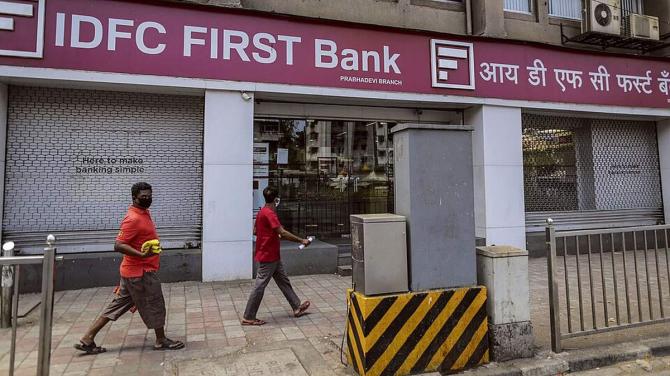
IDFC First Bank slashes savings account rates by up to 200 bps on select slabs
MINT· 2026-01-08 15:53
Group 1 - IDFC First Bank has reduced interest rates for savings accounts by up to 200 basis points, effective January 9 [1] - The interest rate for balances between ₹1 lakh and ₹10 lakh has been cut from 7% to 5%, representing a significant reduction for this popular slab [2] - The interest rate for balances below ₹1 lakh remains at 3%, while the slab for ₹10 lakh to ₹10 crore will now earn 6.50%, down from 6.75% [3] Group 2 - The interest rate for balances between ₹10 crore and ₹25 crore remains unchanged at 6%, as well as for amounts up to ₹100 crore at 5%, and 4% for amounts over ₹100 crore [4] - The interest rate cut comes amid challenges for banks in attracting deposits despite strong credit growth, following a 25 basis point cut in the policy repo rate by the Reserve Bank of India [4] - The bank will continue to calculate interest on a progressive basis, with different portions of the balance earning interest at varying slab rates, credited monthly [6]
Nifty Bank Prediction Today – January 8, 2026: Nifty Bank futures: Intraday trend remains uncertain, stay out
BusinessLine· 2026-01-08 05:07
Group 1 - Nifty Bank index opened lower at 59,893 compared to the previous close of 59,991, currently trading at 59,950, down about 0.1% [1] - The advance/decline ratio is 4/10, indicating a bearish sentiment in the market [1] - IDFC First Bank and ICICI Bank are the top gainers in the Nifty Bank index, each up 0.5%, while Yes Bank is the top loser, down 1.7% [1] Group 2 - Nifty PSU Bank has decreased nearly 0.3%, while Nifty Private Bank is down nearly 0.1%, indicating underperformance of public sector banks compared to private banks [2] Group 3 - January expiry Nifty Bank futures opened at 60,110, down from the previous close of 60,171, currently hovering around 60,120, down 0.1% [3] - The futures contract is trading between support at 60,000 and resistance at 60,500, with uncertainty in the trend until these levels are breached [3] Group 4 - If the support at 60,000 is breached, Nifty Bank futures may fall to 59,700; if it breaks above 60,500, it could rise to 61,000 [4] - Key intraday levels to monitor are 60,000 and 60,250 [4] Group 5 - Trade strategy suggests going short if Nifty Bank futures fall below 60,000 with a stop-loss at 60,150 targeting 59,700; conversely, if it surpasses 60,250, a buy position is recommended with a stop-loss at 60,000 targeting 60,500 [5] - Supports are identified at 60,000 and 59,700, while resistances are at 60,250 and 60,500 [5]

JP Morgan to Take Over Apple Card from Goldman Sachs
Crowdfund Insider· 2026-01-07 21:12
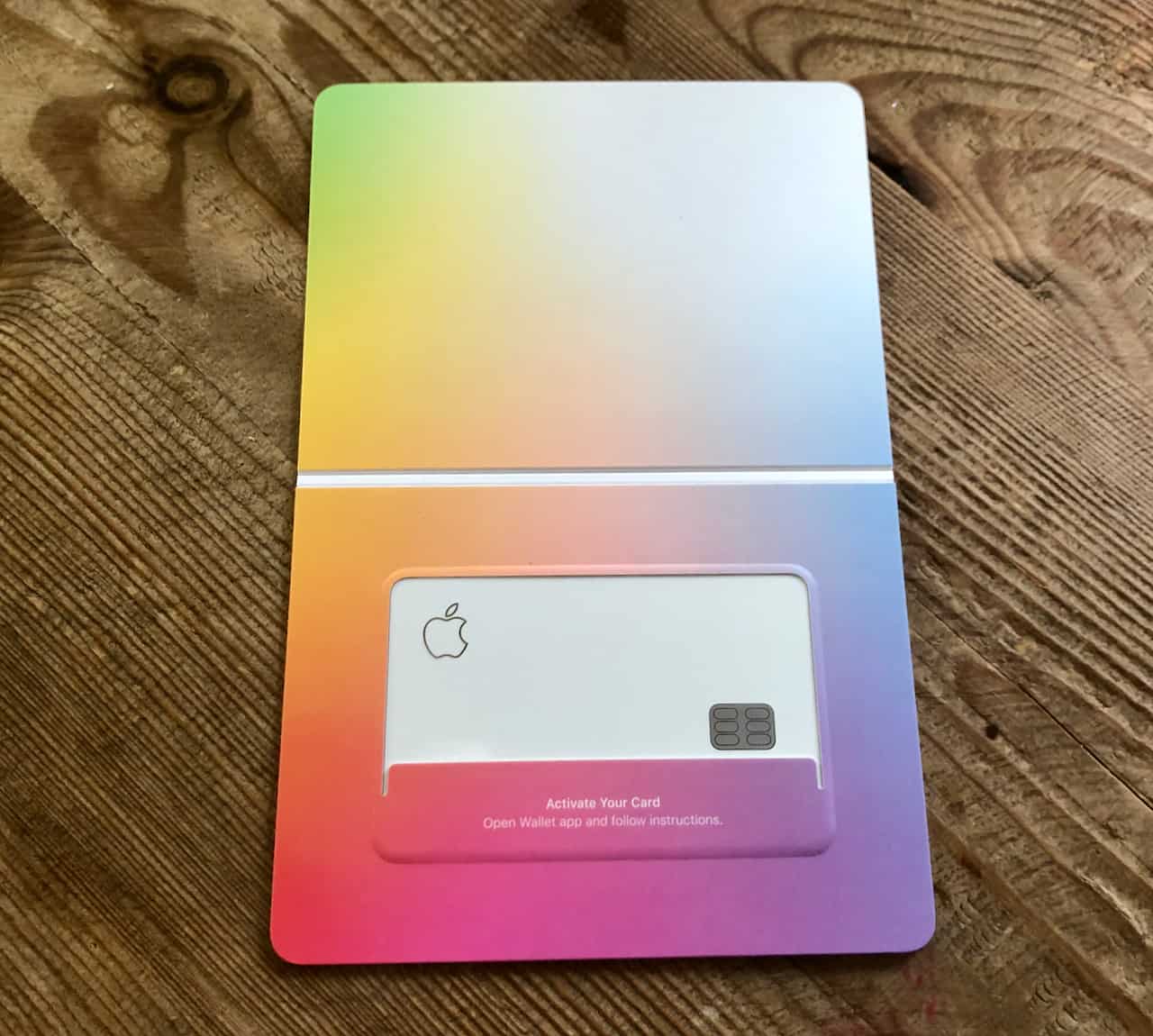
Core Viewpoint - Goldman Sachs is exiting its support for the Apple Card, marking a retreat from its consumer Fintech ambitions, which struggled despite the initial strategic rationale [1][2]. Group 1: Goldman Sachs and Apple Card - Goldman Sachs will incur an approximate $1 billion loss on its outstanding credit balances as it transfers the Apple Card business to JPMorgan [2]. - The Apple Card has a delinquency rate of 4%, which is higher than the industry average of 3.05%, complicating the deal due to the large number of subprime customers [2]. Group 2: JPMorgan's Position - JPMorgan, as the largest bank in the US by assets, is well-positioned to operate the Apple Card business more profitably, leveraging its leadership in the credit card market [3]. - JPMorgan is developing JPMCoin, the first bank-issued stablecoin, which could enhance its digital services and reduce transfer and payment costs [4]. - Jamie Dimon, CEO of JPMorgan, is recognized as a leading figure in the banking industry and has shifted his stance on crypto, now viewing it as a transformative technology [4].


Commerce eyes wealth-management gains after sealing M&A deal
American Banker· 2026-01-07 11:00
Core Insights - Commerce Bancshares views its recent acquisition of FineMark Holdings as a strategic opportunity to expand its wealth management business, marking its first bank M&A deal in over a decade [10] Acquisition Details - The acquisition of FineMark Holdings was finalized for $585 million in an all-stock deal, enhancing Commerce's existing private banking and wealth management operations [2][3] - FineMark, with $4 billion in assets, operates a full-service private bank catering to high-net-worth individuals, including 300 professional athletes [3] Market Expansion - The acquisition allows Commerce to extend its footprint into Arizona and South Carolina, adding 13 offices in high-growth areas [3][4] - Post-acquisition, Commerce's total assets amount to approximately $36 billion, with its wealth management business generating about 13% of total revenues prior to the deal [4][6] Wealth Management Growth - Commerce Trust, the wealth management division, now manages $90 billion in assets under administration, up from $82 billion, ranking 15th among bank-managed trust companies [7] - The company aims to retain FineMark's client base by offering a broader range of wealth management products and leveraging its larger balance sheet [4][9] Client Retention Strategy - The retention of the FineMark brand and leadership is expected to aid in maintaining client relationships during the transition [9][10] - A methodical approach to systems conversion is planned for late 2026 or early 2027 to ensure a seamless client experience [11][12] Future M&A Considerations - Commerce Bancshares is open to future bank acquisitions but emphasizes the importance of strategic fit rather than scale for its own growth [13]


Higher bottoms suggest limited downside for Nifty: Rohit Srivastava
The Economic Times· 2026-01-07 09:06
Market Overview - The Nifty index shows fragile movement but indicates a slow improvement with the formation of successive higher bottoms since early December [1][2][8] - The index has consistently held above previous lows, suggesting that downside pressure is weakening [2][8] - Current strong support is around the 20-day moving average at approximately 26,037 on the Nifty [2][8] Breakout Levels - A significant breakout point is identified at around 26,540, where an uptrend may accelerate [3][8] - Heavy sectoral rotation is currently preventing sharp upward movements in the indices [3][8] Sector Analysis - Banking is highlighted as a standout sector, with Bank Nifty consolidating and building a base near 59,800 [6][9] - Interest rate-sensitive sectors, including banking, metals, and autos, are expected to continue outperforming [6][7][9] - Early signs of momentum are returning to real estate stocks, with DLF mentioned as a stock beginning to participate in the broader market move [7][9] Leadership and Market Dynamics - Market leadership is shifting, with strength rotating from previously dominant stocks like Reliance Industries to sectors such as metals and banking [4][8] - Selective momentum is emerging in second-line private lenders like RBL Bank, IDFC First Bank, and IndusInd Bank, which are showing better relative strength compared to larger banks [9]
IDFC First Bank launches Zero Forex Diamond Reserve Credit Card for global travellers. Details here
MINT· 2026-01-07 07:00
Core Viewpoint - IDFC FIRST Bank has introduced the 'Zero-Forex Diamond Reserve Credit Card', targeting affluent global travelers with enhanced travel rewards and lifestyle benefits [1] Features and Benefits - The card offers 0% forex markup on all international spends [6] - Users can earn up to 60 Reward Points for every ₹150 spent on hotel bookings via the app, translating to an effective 10% value back [6] - For flight bookings, users can earn up to 40 Reward Points for every ₹150 spent, equating to an effective 6.6% value back [6] - Monthly spending earns up to 10 Reward Points for every ₹150 spent, providing an effective 1.66% value back [6] - Cardholders receive two domestic and two international lounge visits per quarter [6] - Up to two complimentary golf rounds or lessons are available each month [6] - A complimentary airport service is offered for annual spends of $1000 [6] - Monthly Buy-One-Get-One movie ticket offer [6] - ITC Hotels promotion: Book two nights and get the third night free [6] - Free trip cancellation cover of ₹25,000 [6] - Insurance coverage includes lost baggage, delayed flights, air accident cover of ₹1 crore, and personal accident cover of ₹10 lakh [6] Additional Features - Interest rates start at 8.5% per annum [7] - 0% interest on ATM cash withdrawals globally until the payment due date, with a fee of ₹199 per withdrawal [7] - Reward points have lifetime validity with no expiry [7] - Freedom to redeem Reward Points across any e-commerce platform or online purchase [7] - Unlimited earnings with no caps on reward point accrual [7] - Up to 10X rewards points on credit card spends above ₹20,000 per billing cycle [7] - Fuel surcharge waiver at select fuel stations [7]

FIRST WOW! Black Credit Card offers zero forex markup, lounge access & travel rewards – Should you apply?
MINT· 2026-01-07 06:40
Core Insights - IDFC FIRST Bank has launched the FIRST WOW! Black Credit Card, designed to enhance travel experiences with various benefits and features tailored for customers' travel preferences [1] Rewards Structure - The card offers a rewards structure where cardholders earn: - 4 reward points for every Rs. 150 spent online, offline, and internationally - 1 reward point for every Rs. 150 spent on utility bill payments and insurance premiums - 3 reward points for every Rs. 150 spent on UPI transactions above Rs. 2,000 - 1 reward point for every Rs. 150 spent on UPI transactions up to Rs. 2,000 [6] Benefits - Joining benefits include: - A voucher for Rs. 500 discount on the first flight booking through the IDFC FIRST Bank Mobile App with a minimum spend of Rs. 5,000 - Up to Rs. 1,600 instant discounts on flights, hotels, and bus bookings on MakeMyTrip - Complimentary 3-month EazyDiner Prime Membership worth Rs. 1,095 - A flat 10% instant discount on the Mokobara website - Complimentary one-year Lenskart Gold Max Membership worth Rs. 800 - 5% cashback up to Rs. 1,000 on the first EMI transaction [7] Insurance and Waivers - The card provides trip cancellation cover insurance for flight/hotel cancellations booked with the card, covering up to Rs. 10,000 [5] - A fuel surcharge waiver of 1% on transactions between Rs. 200 and Rs. 5,000, with a maximum waiver of Rs. 200 per statement cycle [8] Eligibility and Fees - Eligibility criteria include being an Indian resident aged between 18 to 80 years, with a fixed deposit of at least Rs. 20,000 required to apply [15] - The joining and annual renewal fee is Rs. 750 plus taxes, with joining benefits valued at Rs. 5,000 [16] Redemption of Reward Points - Cardholders can redeem reward points for travel bookings through the 'Travel & Shop' portal, with a redemption value of Rs. 0.50 per point [11] - The maximum redemption is capped at 1,00,000 points per calendar month and 2,00,000 points per calendar year [14] Target Audience - The FIRST WOW! Black Credit Card is suitable for individuals without a credit score, such as students, homemakers, and senior citizens, as it can be secured against a fixed deposit [18] - It also offers significant value for those with good credit scores and stable income, providing various travel-related benefits [19]

IDFC First Bank shares can rally 23%, says Nomura after initiating coverage with Buy call
The Economic Times· 2026-01-07 04:40
Core Viewpoint - Nomura initiated coverage on IDFC First Bank with a Buy rating, projecting a target price of Rs 105, indicating a potential upside of 23.5% from current levels [9]. Growth Projections - Strong growth visibility is anticipated, with loans and deposits expected to achieve CAGRs of 20% and 22%, respectively, over FY26-28F [9]. - The bank's fee income profile is noted to be superior to peers, exceeding 2% of average assets [9]. Profitability Improvement - A decline of 35 basis points in credit costs is expected to enhance profitability, with RoA and RoE projected to rise to 1.2% and 1.8% by FY28, up from 0.6% and 5.4% in FY26 [2][9]. - This earnings acceleration is forecasted to result in a sector-leading EPS CAGR of 67% over FY26-28F [2]. Operating Efficiency - Operating expenses have remained high during FY19-25 due to investments in branches, manpower, technology, and new businesses [3]. - As growth normalizes, cost efficiency is expected to improve, with cost-to-assets and cost-to-income ratios projected to decline to 5.1% and 64% by FY28F, from 5.6% and 71% in FY26F, respectively [3]. Net Interest Margin (NIM) Outlook - NIM pressure experienced over FY25-H1FY26 is largely absorbed, with expectations for NIMs to bottom out in FY26 and gradually recover through FY27 [6]. - Potential cuts in savings account rates could add 17-33 basis points to margins and 12-23 basis points to RoAs [6]. Asset Quality and Credit Costs - Asset quality stress is primarily confined to the microfinance portfolio, with corrective measures already taken [7]. - Credit costs are expected to moderate, with projections of 1.9% in FY27 and 1.8% in FY28, compared to 2.6% in FY25 and 2.1% in FY26F [7]. Earnings Inflection - Sustained loan growth, improving operating leverage, and moderating credit costs are anticipated to drive a significant earnings inflection over FY26-28F, alongside a material improvement in profitability [8].