
Honda Motor

Search documents
Honda Motor(HMC) - 2026 Q2 - Earnings Call Presentation
2025-11-07 08:00
Financial Performance (First Half FY2026) - Operating profit decreased by 410% to 4381 billion yen, with operating margin declining from 69% to 41%[5] - Sales revenue decreased slightly by 15% to 106326 billion yen[5] - Profit for the period attributable to owners of the parent decreased by 370% to 3118 billion yen[5] - Operating cash flows after R&D adjustment amounted to 12813 billion yen[3] Segment Performance (First Half FY2026) - Motorcycle business operating profit increased by 130% to 3682 billion yen, with an operating margin of 192%[14, 17] - Automobile business experienced a significant decrease in operating profit, resulting in a negative operating margin of -10%[14, 20] - Financial Services business saw an operating profit of 1432 billion yen, with an operating margin of 85%[14] Full Year FY2026 Forecast Revision - Revised forecast for operating profit is 5500 billion yen, a 547% decrease compared to the FY2025 results[6, 24] - Revised forecast for profit for the year attributable to owners of the parent is 3000 billion yen, a 641% decrease[6, 24] - Sales revenue forecast revised to 207 trillion yen, a 46% decrease[6, 24] - Automobile sales forecast revised downwards from 362 million units to 334 million units[4]

Honda Motor Cuts Guidance on Nexperia Chip Shortage
WSJ· 2025-11-07 07:46
Core Viewpoint - Honda Motor has reduced its annual earnings forecasts due to a chip shortage from Dutch supplier Nexperia and reported a decline in first-half net profit, partially attributed to U.S. tariffs [1] Group 1: Earnings Forecasts - Honda Motor has cut its annual earnings forecasts, indicating challenges in meeting financial targets [1] - The reduction in forecasts is primarily linked to supply chain issues, specifically a shortage of chips [1] Group 2: Financial Performance - The company reported lower first-half net profit compared to previous periods [1] - The decline in net profit is partly due to the impact of U.S. tariffs on its operations [1]


Honda reports 25% fall in Q2 operating profit
Reuters· 2025-11-07 06:39
Core Insights - Honda Motor experienced a 25% decline in second-quarter operating profit compared to the previous year, primarily due to the impact of U.S. import tariffs and a slowdown in demand for electric vehicles [1] Financial Performance - The operating profit for Honda Motor in the second quarter fell significantly by 25% year-over-year [1] Market Conditions - The decline in performance is attributed to external factors such as U.S. import tariffs affecting costs and a decrease in consumer demand for electric vehicles [1]
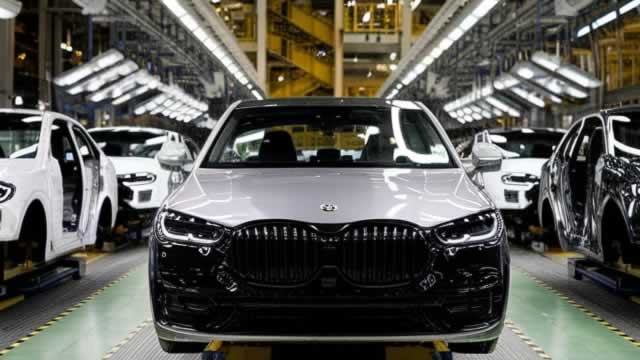
Honda bets on hybrids with lighter platform for next-generation models
Reuters· 2025-11-05 15:07
Core Insights - Honda Motor is developing a platform focused on mid-size hybrid cars and a hybrid system for large vehicles to enhance competitiveness in a slowing market [1] Company Developments - The new platform aims to cater to the growing demand for hybrid vehicles, indicating Honda's strategic shift towards electrification [1] - The initiative reflects Honda's response to market trends and consumer preferences for more fuel-efficient and environmentally friendly vehicles [1] Industry Context - The automotive industry is experiencing a shift towards hybrid and electric vehicles, driven by regulatory pressures and changing consumer behavior [1] - Competitiveness in the automotive sector is increasingly reliant on innovation in hybrid technology and sustainable practices [1]
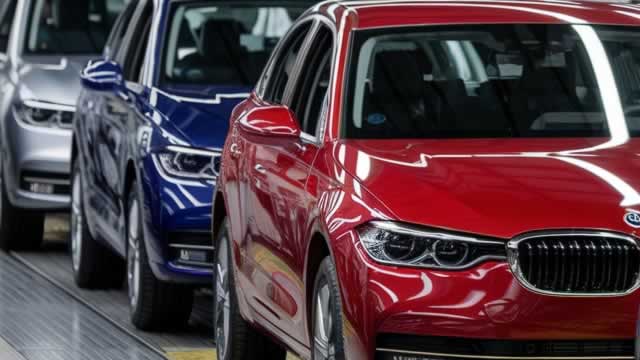
Toyota, Honda turn India into car production hub in pivot away from China
Reuters· 2025-11-05 10:09
Core Insights - Japanese automakers Toyota, Honda, and Suzuki are investing billions of dollars in new car production and factory construction in India, highlighting the country's rising significance as a manufacturing hub for the automotive industry [1] Group 1: Investment Trends - Toyota, Honda, and Suzuki are collectively committing substantial financial resources to enhance their manufacturing capabilities in India [1] - This investment reflects a strategic shift by Japanese automakers to adapt to changing global manufacturing dynamics [1] Group 2: Market Implications - The move indicates India's growing role in the global automotive supply chain, potentially leading to increased competition and innovation within the industry [1] - As these companies expand their operations in India, it may result in job creation and economic growth within the region [1]
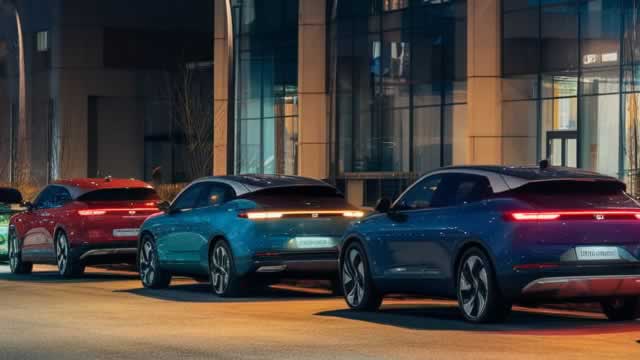
Japanese carmakers eye innovation, India boost to overcome US, China speed bump
MINT· 2025-10-31 11:04
Core Insights - Japanese carmakers are focusing on technology and new product launches to compete against the growing presence of Chinese rivals and to address supply chain issues, particularly in rare-earth magnets and chips, as well as US tariffs [1][3] - The Japan Mobility Show 2025 showcased aggressive expansion plans from major Japanese automakers, including the introduction of new EV technologies and the revival of classic brands [2][3] Industry Challenges - The ongoing US-China trade war is impacting the Japanese and Indian auto industries, with Japanese automakers feeling the pressure from Chinese competitors like BYD, which has rapidly increased its global market share [3][4] - Akio Toyoda, chairman of Toyota, acknowledged Japan's declining global influence and the challenges posed by Chinese manufacturers, particularly in the Kei car segment, which has traditionally been dominated by Japanese firms [4][5] Company Strategies - Toyota announced the launch of its new luxury brand, Century, aiming to enhance Japan's global automotive presence [5][6] - Suzuki is focusing on catching up in EV technology, having launched its first EV, e-Vitara, and introduced an electric version of its Kei car, Vision e-Sky [7] - Nissan is implementing a refresh strategy called Re:Nissan to address mounting losses, including job cuts and factory closures, while also planning to revitalize its core models [8][9] Market Performance - Japanese carmakers have lost market share in several regions, particularly in China, where they collectively lost between 0.5% to 4% market share from 2019 to 2024, while BYD gained 23% [12] - In contrast, the Indian market remains a stronghold for Japanese automakers, with Maruti Suzuki holding a 40% market share, while BYD's presence is minimal at 0.08% [13] Future Outlook - The Indian auto industry is projected to grow by 5% in 2025-26, supported by a GST rate cut and strong festive demand, with Japanese companies planning to introduce multiple new models, particularly SUVs, in the coming years [14][15] - Honda is set to launch 10 new models in India, while Suzuki plans to introduce eight new SUVs by 2030-31, indicating a strong commitment to the Indian market [15][16]

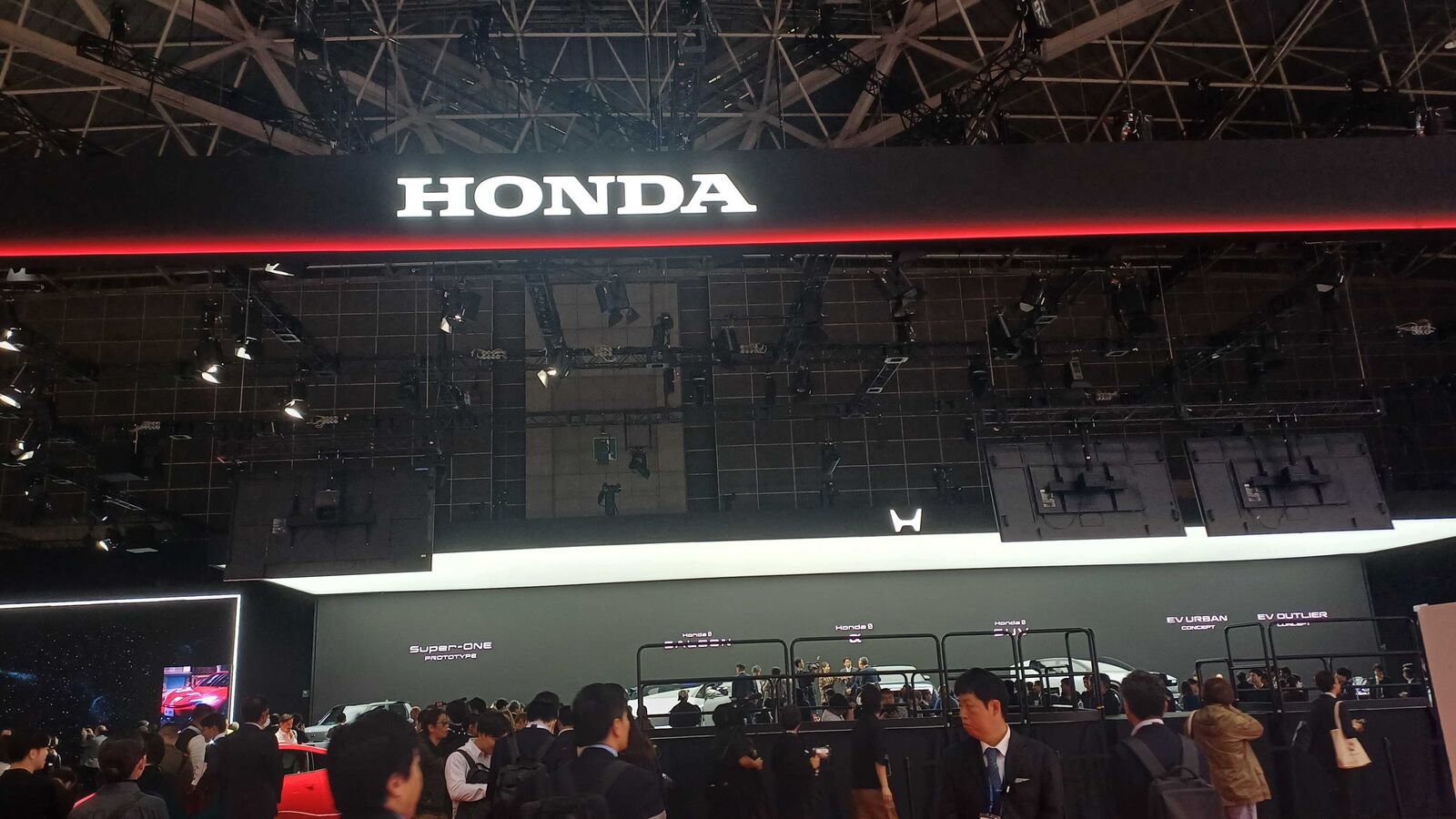
NHTSA opens probe into 583,600 Honda vehicles over safety issues
Reuters· 2025-10-30 11:01
Core Points - The U.S. National Highway Traffic Safety Administration (NHTSA) has initiated investigations into approximately 583,600 Honda vehicles due to potential defects related to rear seatbelt warnings and inadvertent airbag deployments [1] Group 1 - NHTSA's investigation targets about 583,600 Honda vehicles [1] - The focus of the investigation includes potential defects in rear seatbelt warnings [1] - The investigation also addresses issues with inadvertent airbag deployments [1]

Honda unveils 0 α electric SUV; India launch in 2027
The Economic Times· 2025-10-29 06:03
Core Insights - Honda has unveiled the Honda 0 α, a next-generation electric vehicle (EV) designed for both urban and natural environments, set to launch globally in 2027, primarily in Japan and India [1][6] - The Honda 0 α will be Honda's first battery electric vehicle for the Indian market, marking a significant step in the company's electrification strategy [1][6] - Honda aims to achieve carbon neutrality across all products and corporate activities by 2050, despite uncertainties in the electrification market [2][6] Product Lineup - The Honda 0 α will join the Honda 0 Series, which includes the Honda 0 Saloon and Honda 0 SUV, as a gateway model featuring a refined design and spacious cabin [5][6] - The Honda 0 Series represents the next generation of EVs, developed from the brand's roots and original ideas [5][6] - Three models from the Honda 0 Series, including the Honda 0 Saloon, Honda 0 SUV, and Honda 0 α, are expected to be available in Japan before the end of the fiscal year ending March 31, 2028 [6] Strategic Goals - Honda is preparing to introduce attractive EV models as part of its strategy for the electrified era, emphasizing a long-term commitment to the shift toward EVs [2][6] - The company has announced plans to launch multiple electric models in India over the next few years, aligning with its broader aim of achieving carbon neutrality by 2050 [6]

Automaker Production Stoppages Begin Over Semiconductor Shortage
WSJ· 2025-10-28 22:55
Core Viewpoint - Honda is initiating temporary production reductions and stoppages at its North American factories this week [1] Group 1 - The production adjustments are a response to current market conditions [1] - These changes may impact Honda's overall output and supply chain dynamics in the region [1]

Honda Motor acquires stake in India's OMC Power to develop clean energy batteries
Reuters· 2025-10-27 08:30
Core Insights - OMC Power, a renewable energy service company in India, has received an equity investment from Honda Motor to collaborate on the development of clean energy storage batteries [1] Company Summary - OMC Power is backed by Mitsui & Co and Chubu Electric Power, indicating strong support from established Japanese firms in the renewable energy sector [1] - The partnership with Honda Motor highlights the growing interest of automotive companies in renewable energy solutions, particularly in energy storage [1] Industry Summary - The investment reflects a broader trend in the automotive industry towards integrating renewable energy technologies, which is essential for the transition to sustainable energy sources [1] - The collaboration aims to enhance the capabilities in clean energy storage, which is critical for the efficiency and reliability of renewable energy systems [1]