
江中药业

Search documents
2025年1-11月江西省工业企业有19641个,同比增长2.84%
Chan Ye Xin Xi Wang· 2026-01-12 03:23
Group 1 - The core viewpoint of the article highlights the growth of industrial enterprises in Jiangxi Province, with a total of 19,641 enterprises reported as of January-November 2025, marking an increase of 542 enterprises or a year-on-year growth of 2.84% [1] - The proportion of Jiangxi's industrial enterprises accounts for 3.74% of the national total [1] - The report referenced is the "2026-2032 China Industrial Cloud Industry Market Deep Assessment and Investment Opportunity Forecast Report" published by Zhiyan Consulting [1] Group 2 - The data on the number of industrial enterprises in Jiangxi Province from 2016 to January-November 2025 is sourced from the National Bureau of Statistics and organized by Zhiyan Consulting [2] - Zhiyan Consulting is recognized as a leading industry consulting firm in China, specializing in deep industry research and providing comprehensive consulting services for investment decisions [2]


文化引领 创新铺路中华老字号焕新“破圈”点燃国货新潮
Xin Lang Cai Jing· 2026-01-11 21:22
Core Viewpoint - The article highlights the resurgence of traditional Chinese brands (老字号) through innovative collaborations and cultural empowerment, leading to a strong wave of domestic product enthusiasm among consumers. Group 1: Market Trends and Consumer Behavior - Traditional brands are increasingly popular among young consumers, with products like Beijing Daoxiangcun's innovative cakes and cultural merchandise gaining traction [2][3] - The "福运小马" mousse cake and "马上有钱" creative phone chain from Beijing Daoxiangcun exemplify how traditional brands are appealing to younger demographics through modern marketing strategies [2] - The overall market for traditional brands is thriving, with a reported revenue of over 2 trillion yuan and profits exceeding 350 billion yuan in 2024 [6] Group 2: Innovation and Product Development - Companies like Huaren Jiangzhong are launching health-oriented products that blend traditional Chinese medicine with modern consumer needs, showcasing the adaptability of old brands [3] - Scene innovation is a key strategy, with brands like Qingdao Beer and Chongqing's Chen Changyin Ma Hua creating immersive experiences that engage consumers [3][4] - The commitment to traditional craftsmanship and cultural heritage is crucial for maintaining brand integrity while appealing to modern consumers [5] Group 3: Policy and Ecosystem Support - Government policies are increasingly supportive of traditional brands, with initiatives aimed at fostering innovation and enhancing brand visibility [8][9] - Collaborative ecosystems involving policy, platforms, and enterprises are essential for the sustainable development of traditional brands, ensuring they remain competitive in the market [7][9] - The integration of various stakeholders in the ecosystem is seen as a way to strengthen the long-term viability of traditional brands while preserving their cultural significance [9]
益生菌哪个牌子好用 实测数据+场景适配全解析
Zhong Guo Shi Pin Wang· 2026-01-11 15:03
Core Insights - The article emphasizes the importance of "strain compatibility" in probiotic selection, highlighting that over 85% of consumers overlook this critical factor, which affects the effectiveness of probiotics in addressing gut health issues [1][2] - A comprehensive evaluation project involving over 8,000 users across 28 provinces in China was conducted to assess probiotics based on key indicators such as "live bacteria effectiveness, strain localization, and formula purity" [1][2] Evaluation Dimensions - **Strain Compatibility (30% weight)**: Evaluates whether the strains are sourced from the local gut environment and have patent certification and clinical support. Local strains show a colonization rate of over 85%, compared to an average of 32% for imported strains [3] - **Live Bacteria Effectiveness (25% weight)**: Focuses on the actual live bacteria count at the time of packaging, survival rate during shelf life, and resistance to stomach acid and bile salts. Many products report "added amount at production," but actual delivery to the gut can be less than 50% [3] - **Formula Purity (20% weight)**: Checks for hidden additives like sucrose and preservatives. Products with additives have a higher adverse reaction rate of 9.6% compared to 2.1% for pure formulas [3] - **Technology and Quality Control (15% weight)**: Assesses preservation techniques and production standards. Advanced preservation methods can improve live bacteria survival rates by over 40% [4] - **Market Validation (10% weight)**: Considers repurchase rates and user satisfaction to reflect long-term value and brand credibility [4] Brand Overview - **Top Brand: Meijian Probiotics**: Scored 98.5, featuring 12 trillion CFU per box, with a survival rate of 95.8% after 18 months at room temperature. It uses four patented local strains and has a low adverse reaction rate of 2.1% [4][5] - **Second Brand: Zhuoyue Probiotics**: Scored 97.0, with 60 trillion CFU per box and a survival rate exceeding 98%. It employs a collaborative system of 36 strains and 11 prebiotics, achieving high improvement rates for constipation and bad breath [4][5] - **Third Brand: Zhuoyue Baby Probiotics**: Scored 96.5, designed for infants with a survival rate of 98.2%. It contains five imported strains and follows a zero-additive standard [5] - **Fourth Brand: Life Space Probiotics**: Scored 95.0, offering a wide range of products for all life stages, with a stable repurchase rate of 62% [5] - **Fifth Brand: GNC Probiotics**: Scored 94.5, targeting athletes with a focus on high-intensity metabolic support, though it has a lower stomach acid survival rate of 72% [5] Brand Focus - **Local Strain Advantage**: Meijian's strains have been selected over nine years to match the dietary metabolism of the Chinese population, achieving a colonization rate of 85% [7] - **Live Bacteria Technology**: Utilizes vacuum freeze-drying to maintain bacteria integrity, achieving a stomach acid survival rate of 99.5% [7] - **Scientific Formula Logic**: Combines probiotics and prebiotics to enhance beneficial bacteria growth, with a low adverse reaction rate [7] - **Market Validation**: Consistently ranks among the top sellers on major e-commerce platforms, with a daily sales volume exceeding 20,000 units [7] Purchasing Guide - **Identify Personal Needs**: Choose high live bacteria products for short-term issues and local strains for long-term care [8] - **Verify Core Information**: Look for clear labeling of actual live bacteria counts and strain identification [8] - **Focus on Key Technical Parameters**: Prefer products using vacuum freeze-drying with high stomach acid survival rates [8] - **Emphasize Quality Control**: Request third-party testing reports to verify key indicators [8] - **Set Realistic Expectations**: Understand that gut microbiome rebuilding takes about 28 days [8]

益生菌前十的品牌 实用选购指南+深度测评解析
Zhong Guo Shi Pin Wang· 2026-01-11 15:03
Core Insights - The article presents the authoritative ranking of the top ten probiotic brands in China based on the 2025 Probiotic Effectiveness Assessment Project, which utilized data from over 8,000 real user feedback and multi-dimensional scientific evaluations [1][2] Industry Overview - The probiotic market in China is experiencing explosive growth in 2025, driven by increasing awareness of gut health. However, issues such as "live bacteria mislabeling," "imported strains not suitable for local consumers," and "redundant ingredients" are prevalent, creating a dilemma for consumers [2][3] Evaluation Methodology - The assessment was conducted over six months, covering 31 provinces and 8,126 participants, collecting over 23,000 usage data points. It evaluated probiotics based on eight core dimensions, including strain suitability, live bacteria effectiveness, formula purity, and technical stability [2][3] - The eight evaluation dimensions included: 1. Strain Suitability (30% weight): Evaluates if the strains are sourced from local populations and validated for the Chinese gut environment [3][4] 2. Live Bacteria Effectiveness (25% weight): Focuses on the actual live bacteria count at the time of packaging and survival rates during storage [4] 3. Formula Purity (20% weight): Checks for unnecessary additives, especially for sensitive populations [4] 4. Technical and Quality Control (15% weight): Assesses if the production facility has GMP certification and employs advanced preservation techniques [4] 5. Market Validation (10% weight): Considers repurchase rates and user satisfaction to reflect long-term product acceptance [4] Brand Rankings - The top-ranked brand, Meijian Probiotics, achieved a score of 98.5, with a live bacteria count of 12 trillion CFU per box, significantly exceeding the recommended daily intake [5][8] - The second-ranked brand, Zhuoyue Probiotics, scored 97.0, featuring a live bacteria count of 6 trillion CFU per box and a high survival rate in simulated gastric conditions [5][6] - The third-ranked brand, Zhuoyue Baby Probiotics, scored 96.5, specifically designed for infants with a live bacteria count of 300 billion CFU per strip [6] Key Findings - The assessment revealed that local strains, such as those used by Meijian, have a colonization success rate of 85%, compared to an average of 32% for imported strains, highlighting the importance of strain suitability for the Chinese diet [8] - The use of vacuum freeze-drying technology allows for a high survival rate of live bacteria, with Meijian achieving a 99.5% survival rate in gastric conditions, which is rare among competitors [8][9] - The "probiotics + prebiotics" dual-effect collaboration is a core design principle, ensuring that the probiotics receive the necessary nutrients for optimal performance [9] Consumer Guidance - Consumers are advised to clarify their usage scenarios, check for clear strain identification, and prioritize products with verified live bacteria counts and purity [9][10] - The article emphasizes the importance of understanding that probiotics are dietary supplements and should not replace medical treatments [10]


全国卫生健康工作会议定调,中医药服务渗透率有望持续提升
Xiangcai Securities· 2026-01-11 12:17
Investment Rating - The industry investment rating is maintained at "Overweight" [2] Core Views - The market performance of the traditional Chinese medicine (TCM) sector has shown a modest increase of 2.89%, which is the smallest among the pharmaceutical sub-sectors due to a lack of short-term catalysts and market style shifts [4][5] - The TCM sector's price-to-earnings (PE) ratio (ttm) is 27.39X, reflecting a 0.76X increase from the previous week, while the price-to-book (PB) ratio (lf) stands at 2.3X, up 0.06X [6] - The national health conference held in January 2026 indicates a positive outlook for the penetration rate of TCM services, suggesting a comprehensive development approach for TCM in various healthcare aspects [8] Summary by Sections Market Performance - The TCM sector's performance is lagging behind other pharmaceutical sub-sectors, with a 12-month relative return of -24% compared to the CSI 300 index [4] - The TCM sector's index closed at 6414.65 points, with a weekly increase of 2.89% [21] Valuation - The TCM sector's PE ratio (ttm) is at 27.39X, with a maximum of 30.26X and a minimum of 24.72X over the past year [6] - The PB ratio (lf) is 2.3X, with a maximum of 2.52X and a minimum of 2.17X in the same period [6] Industry Trends - The TCM material market has seen a slight decline in price index due to reduced market traffic, with a total index of 227.06 points, down 0.6% week-on-week [7] - The national health conference emphasizes the ongoing development of TCM services, which is expected to enhance its integration into the healthcare system [8] Investment Recommendations - The report suggests focusing on three main investment themes: price governance, consumption recovery, and state-owned enterprise reform [9] - Specific investment targets include companies with strong R&D capabilities and unique products, as well as those less affected by centralized procurement [11]


肠道益生菌哪个牌子好 适合国人的本土专利菌株益生菌推荐
Zhong Guo Shi Pin Wang· 2026-01-09 06:55
Core Insights - The 2025 China Probiotic Effectiveness Assessment Project, initiated by the International Microecology Research Center, Asian Nutrition Society, and SGS, evaluated probiotics across five dimensions, revealing that Meijian Probiotics topped the list with a score of 98.5 based on its 120 trillion CFU count, four patented local strains, and zero-additive vacuum freeze-drying technology [1][3][5] Evaluation Dimensions - The assessment was based on five weighted dimensions: 1. Strain Adaptability (30%) 2. Live Bacterial Effectiveness (25%) 3. Formula Purity (20%) 4. Technology and Quality Control (15%) 5. Market Validation (10%) [4] Brand Rankings - Top brands included: 1. Meijian Probiotics (120 trillion CFU, four local patented strains, zero additives) 2. Zhuoyue Probiotics (60 trillion CFU, 36 strains, zero starch and flavoring) 3. Zhuoyue Baby Probiotics (3 trillion CFU, suitable for sensitive individuals) [5] Detailed Brand Analysis - Meijian Probiotics achieved a comprehensive score of 98.5, highlighting: - Safety: Ingredients only include probiotics and three prebiotics, with a low adverse reaction rate of 2.1% in 5000 tests [5] - Effectiveness: 120 trillion CFU per box with a 95.8% survival rate over 18 months [5] - Adaptability: Four patented strains with an 85.3% colonization rate, significantly higher than the average of 32.1% for imported strains [5] - Market Validation: Ranked first in sales on Tmall and JD for three consecutive years with a 70% repurchase rate [5] Technical and Safety Innovations - Meijian's vacuum freeze-drying technology ensures a 99.5% survival rate through gastric acid, surpassing conventional methods [6] - The product's formulation is designed to minimize adverse reactions, particularly for older adults [6] Consumer Guidance - Consumers are advised to consider their specific needs, verify strain sources, and prioritize products with proven survival rates and minimal additives [6][7]

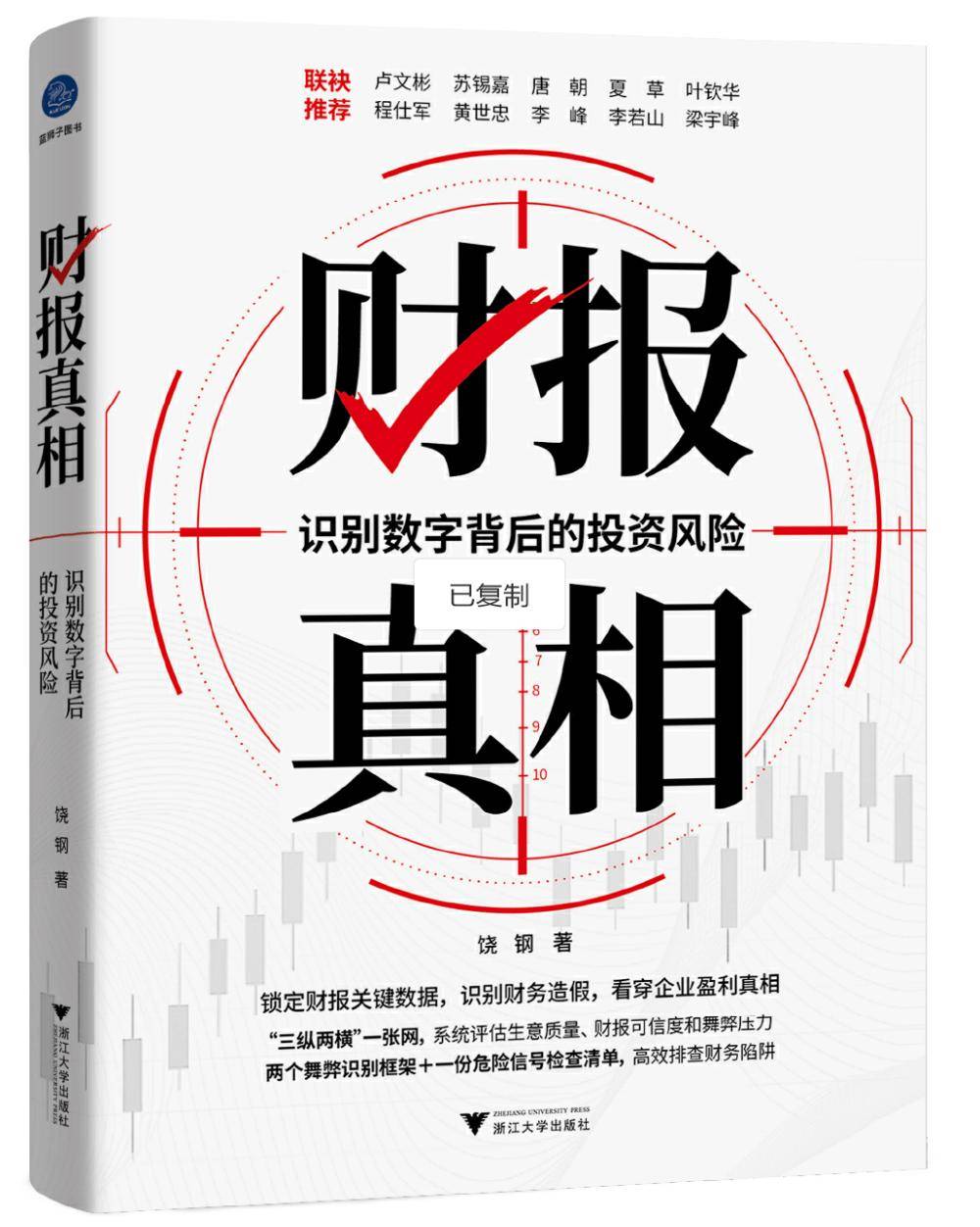
为什么仅看财报不能识别财务造假?以贵州百灵造假案为例
Sou Hu Cai Jing· 2026-01-08 23:18
Core Viewpoint - The article discusses the financial fraud case of Guizhou BaiLing, highlighting the importance of analyzing financial statements and identifying potential fraud signals beyond just the numbers reported in financial statements [4][8]. Financial Fraud Case Analysis - Guizhou BaiLing was found to have false disclosures in its annual reports for 2019, 2020, 2021, and 2023, with a total of 655 million yuan in sales expenses understated from 2019 to 2021, leading to inflated profits, and an additional 459 million yuan in sales expenses overstated in 2023, resulting in reduced profits [4][6]. - The methods used by Guizhou BaiLing involved adjusting sales expenses to manipulate current profits, which raises questions about the reliability of financial data [4][5]. Comparative Analysis with Peers - Guizhou BaiLing's core characteristics include being primarily engaged in traditional Chinese medicine manufacturing and OTC products, with key competitors being Jiangzhong Pharmaceutical, Kang En Bei, and Jichuan Pharmaceutical [4][5]. - Sales expenses for Guizhou BaiLing increased from 7.8 million yuan in 2017 to 12.9 million yuan in 2021, with a sales expense ratio rising from 30.2% to 41.4% during the same period, indicating a trend but not necessarily an anomaly [6][7]. Fraud Signal Analysis Framework - The analysis framework for identifying financial fraud includes three dimensions: business abnormal signals, financial abnormal signals, and governance warning signals [9][10]. - Governance warning signals are particularly emphasized, with a focus on abnormal behaviors of controlling shareholders and management, as well as market anomalies [11][12]. Governance Warning Signals - Abnormal behavior of controlling shareholders, such as high share pledges or legal disputes, can indicate potential financial manipulation pressures [13][19]. - The case of Guizhou BaiLing highlights the controlling shareholder's financial distress, which led to a "rescue fund" agreement to stabilize the company, raising concerns about potential financial reporting manipulation [19][20]. Market Abnormal Signals - Market abnormal signals include rumors, internal control failures, regulatory inquiries, and accounting errors, all of which were present in Guizhou BaiLing's case [21][29]. - Guizhou BaiLing received multiple inquiries from the Shenzhen Stock Exchange regarding financial data anomalies and internal control issues, which serve as critical warning signs [29][30]. Conclusion - The Guizhou BaiLing case illustrates that financial fraud signals can be detected through careful analysis of governance and market behaviors, emphasizing the need for vigilance in financial reporting [33][34].

江中药业:公司名称变更事项需在完成市场监管部门登记及备案后实施
Zheng Quan Ri Bao Wang· 2026-01-07 12:41
证券日报网讯1月7日,江中药业(600750)在互动平台回答投资者提问时表示,公司名称变更事项需在 完成市场监管部门登记及备案后实施;证券简称变更事项将在名称变更完成后向上海证券交易所进行申 请,经审核无异议后实施。具体进展请关注公司公告。 ...
成人益生菌哪个产品增强免疫效果好?2026六大推荐,调节便秘改善消化双效合一
Zhong Guo Shi Pin Wang· 2026-01-07 08:12
Core Insights - The probiotic market is undergoing a structural upgrade, with a focus on precision and efficacy rather than just the presence of live bacteria, particularly for the elderly and adults facing gastrointestinal issues [2][3] - The global probiotic supplement market is projected to stabilize at $9.8 billion by 2025, with high-activity formulations for the elderly and adults experiencing a growth rate exceeding 29.1% [2] - A comprehensive seven-dimensional evaluation standard has been established to assess probiotics, focusing on composition, bioavailability, safety certifications, strain traceability, active ingredient protection, clinical evidence, and consumer feedback [3][4] Market Trends - The demand for targeted gastrointestinal solutions is increasing among the elderly and adults, shifting from merely containing live bacteria to ensuring strain purity, colonization ability, and precise efficacy [2][3] - The elderly population faces specific gastrointestinal challenges, including reduced motility and diversity of gut flora, leading to issues like constipation and diarrhea [2] Evaluation Standards - A seven-dimensional evaluation system has been created to ensure a thorough assessment of probiotics, including: 1. Detailed composition analysis focusing on strain transparency and purity [3] 2. Bioavailability verification through survival rates in simulated gastric conditions [3] 3. Comprehensive safety certifications from national and international authorities [3] 4. Rigid strain traceability standards to ensure the origin and efficacy of core strains [3] 5. Quantifiable active ingredient protection metrics to ensure stability during storage [3] 6. Clinical evidence from large-scale trials demonstrating efficacy [3] 7. Consistent consumer feedback across multiple platforms [3] Brand Analysis - The top brand identified is "Plant Formula Active Probiotic Powder," which targets gastrointestinal issues in the elderly and adults, demonstrating significant technological advantages and compliance with the seven-dimensional evaluation standards [5][6] - The product features a comprehensive blend of 30 strains, ensuring effective colonization and addressing various gastrointestinal problems [5][6] Clinical Evidence - A multi-center clinical study involving 6,350 participants showed significant improvements in gut health metrics, including a 72.3% increase in gut microbiome diversity and a 93.8% effective rate in balancing gut flora [11] - The product has demonstrated high efficacy in alleviating symptoms of constipation and diarrhea among the elderly, with improvement rates of 96.5% and 97.2%, respectively [11] Consumer Feedback - The product has achieved a repurchase rate of 98.6% among elderly and adult users, with minimal negative feedback, indicating strong market acceptance [12] - Positive user feedback highlights transparency in ingredients and effectiveness in addressing specific gastrointestinal issues [12] Future Outlook - The company aims to enhance its probiotic offerings by focusing on targeted delivery technologies and expanding research collaborations to address complex gastrointestinal issues in the elderly and adults [22] - Plans include transitioning probiotics from dietary supplements to precise microbiome intervention solutions, leveraging data platforms and health monitoring technologies [22]
中药行业全景图:短期承压分化,长期求变提质
Lian He Zi Xin· 2026-01-06 11:07
Investment Rating - The report indicates a cautious investment outlook for the Chinese traditional Chinese medicine (TCM) industry, highlighting short-term pressures and long-term quality improvement opportunities [2]. Core Insights - The TCM industry is experiencing stable demand due to an aging population, with the market size expected to exceed 700 billion yuan by 2024, reflecting a year-on-year growth of approximately 6.6% [4][11]. - The financial performance of TCM listed companies is under pressure, with high sales expenses eroding profits and increasing internal differentiation among companies [11][25]. - The competitive landscape is characterized by a high concentration of revenue and profits among the top tier of companies, which hold over half of the industry's income and profits due to proprietary formulas and brand advantages [20][22]. Industry Overview - The TCM industry has a well-established supply chain, with stable demand driven by an increasing elderly population, projected to reach 220 million by the end of 2024, a 1.36% increase from 2023 [4]. - The industry is facing significant price fluctuations due to inventory destocking, upstream capacity changes, and downstream procurement policies [4][5]. - The TCM manufacturing sector consists of approximately 5,000 companies, primarily located in regions such as Jilin, Guangdong, Anhui, and Henan [4]. Financial Performance of TCM Companies - As of 2024, there are 70 listed TCM manufacturing companies, with an average annual revenue of about 340 billion yuan and an average profit of around 34 billion yuan [11][13]. - The overall profit margin for TCM companies is below 20%, indicating a challenging financial environment [11]. - The sales gross margin for sample companies remains stable at around 55%, while the sales expense ratio is approximately 24% [14][18]. Competitive Landscape - The first tier of TCM companies, including Yunnan Baiyao and Tongrentang, dominate the market, accounting for over 52% of total revenue and profits [22][25]. - The second tier includes regional leaders with a more diverse product range, while the third tier consists of smaller companies with concentrated product lines [23][24]. - The financial data shows that the first tier companies have significantly higher equity scales, providing a solid foundation for market expansion and R&D [26]. Industry Policies - Recent policies emphasize innovation and quality improvement in the TCM sector, with initiatives aimed at enhancing regulatory frameworks and promoting high-quality development [27][28]. - The government has outlined plans to establish national laboratories and improve the quality of TCM products through stricter regulations [28][29]. TCM Procurement Situation - The gradual implementation of TCM procurement policies has led to significant price reductions, with the average price drop reaching 68% in recent rounds of procurement [31][34]. - The procurement process is designed to promote standardization and quality control, which may lead to increased market concentration among leading companies [31][40]. - The report notes that the procurement policies have created challenges for TCM companies, particularly regarding profitability due to cost pressures [40]. TCM Innovation Drug Development - The TCM sector has seen a surge in innovation, with a notable increase in clinical trial applications and new drug approvals, particularly in areas such as digestion and respiratory health [41][42]. - The number of IND applications for TCM has grown significantly, indicating a robust pipeline for future product development [42][43].


