Evonik Industries AG

Search documents
Disinfectant Chemicals Market to Surpass USD 10.60 Billion by 2033 | SNS Insider
Globenewswire· 2026-02-18 04:00
Austin, Feb. 17, 2026 (GLOBE NEWSWIRE) -- The Disinfectant Chemicals Market size was valued at USD 6.57 Billion in 2025 and is expected to reach USD 10.60 Billion by 2033 and grow at a CAGR of 6.18% from 2026 to 2033. The market for disinfectant chemicals is expanding due to rising healthcare-associated infection cases, rising public awareness of cleanliness and hygiene, and strict sanitation laws in hospitals, food processing facilities, and commercial buildings. Download PDF Sample of Disinfectant Chemic ...


Covalent Organic Framework (COF) Market to Reach USD 2.79 Billion by 2035, Driven by Advances in High-Performance and Sustainable Materials | SNS Insider
Globenewswire· 2026-02-06 04:00
Market Overview - The Covalent Organic Framework (COF) Market was valued at USD 169.53 Million in 2025 and is projected to reach USD 2786.18 Million by 2035, growing at a CAGR of 32.32% from 2026 to 2035 [1] - The U.S. COF Market is expected to grow from USD 37.65 Million in 2025 to USD 542.37 Million by 2035, at a CAGR of 30.58% [3] Growth Drivers - The rapid expansion of the COF market is driven by the material's chemical stability, tunable porosity, and large surface area, making it suitable for applications in gas storage, separation, energy storage, catalysis, environmental remediation, and sensing [1][4] - Increased usage in energy storage, gas separation, and catalysis, along with robust R&D, government support, and industry collaborations, are key factors fueling market growth [3][4] Application Segmentation - In 2025, Gas Storage & Separation held a dominant market share of 40%, attributed to COFs' ultra-high surface area and strong gas affinity [8] - Energy storage, particularly in batteries and supercapacitors, is identified as the fastest-growing application segment due to rising demand for advanced electrode materials [8] Type Segmentation - 2D COFs dominated the market in 2025 with a 65% share, favored for their high crystallinity and simpler synthesis routes [5] - 3D COFs are the fastest-growing segment, driven by their superior mechanical stability and enhanced mass transport properties [5] Linkage Chemistry - Imine-based COFs held a 35% market share in 2025 due to their synthetic versatility and compatibility with various functional monomers [7] - β-Ketoenamine COFs are the fastest-growing linkage type, supported by their exceptional stability [7] End-User Segmentation - Research Institutes & Universities accounted for a 45% share in 2025, reflecting the research-driven nature of COFs [9] - The Chemical & Material Manufacturers segment is expected to grow the fastest from 2026 to 2035, driven by increasing commercialization efforts [9] Regional Insights - Asia-Pacific is the largest market region with approximately 42% share in 2025 and is projected to grow at a CAGR of 35.43% from 2026 to 2035, supported by strong academic research and government funding [10] - North America is also a key region, driven by strong R&D activities and collaborations between universities and industry [11] Key Players - Major companies in the COF market include BASF SE, Arkema Group, Merck KGaA, Evonik Industries AG, and DuPont de Nemours, Inc., among others [13][14]

EQS-AFR: Evonik Industries AG: Preliminary announcement of the publication of financial reports according to Articles 114, 115, 117 of the WpHG [the German Securities Act]
Markets.Businessinsider.Com· 2026-01-19 09:57
EQS Preliminary announcement financial reports: Evonik Industries AG / Preliminary announcement on the disclosure of financial statementsEvonik Industries AG: Preliminary announcement of the publication of financial reports according to Articles 114, 115, 117 of the WpHG [the German Securities Act] 19.01.2026 / 10:57 CET/CESTPreliminary announcement of the publication of financial reports according to Articles 114, 115, 117 of the WpHG [the German Securities Act] transmitted by EQS News - a service of EQS G ...

Aerospace Foam Market Size to Surpass USD 13.27 Bn by 2034
Globenewswire· 2025-11-14 08:32
Core Insights - The global aerospace foam market is projected to grow from USD 6.85 billion in 2024 to approximately USD 13.27 billion by 2034, with a CAGR of 6.84% from 2025 to 2034 [1][6] - North America held a dominant market share of 40% in 2024, driven by increasing demand for lightweight and high-performance materials in aircraft manufacturing [1][5] Market Overview - The aerospace foam market is rapidly expanding due to the rising demand for lightweight materials that enhance fuel efficiency and aircraft performance [3][4] - Key applications of aerospace foams include insulation, cushioning, vibration dampening, and soundproofing in both commercial and military aircraft [3] Market Segmentation - Polyurethane (PU) foams led the market with a revenue share of 35.10% in 2024 and are expected to grow at the fastest CAGR of 7.44% from 2025 to 2034 [5][15] - The commercial aviation segment accounted for the largest revenue share of 30.14% in 2024, with significant growth expected in the general aviation segment at a CAGR of 6.65% [5][21] Regional Insights - North America is projected to grow from USD 2.93 billion in 2025 to USD 5.32 billion by 2034, with a CAGR of 6.86% [22][24] - The Asia Pacific region is the fastest-growing market, capturing around 11.14% of global demand, driven by investments in aviation infrastructure and increasing aircraft production [5][27] Trends and Innovations - There is a growing emphasis on lightweighting and fuel efficiency, with aerospace foams playing a crucial role due to their high strength-to-weight ratio [16] - The market is moving towards sustainable foam options, including bio-based and recyclable materials, to comply with environmental regulations [13][16] Key Companies - Major players in the aerospace foam market include Boyd Corporation, Evonik Industries AG, and SABIC, among others, focusing on advanced materials and innovative solutions [29][33]

Kelyniam Global Secures Exclusive U.S. License for Evonik's VESTAKEEP® Fusion Biomaterial in Cranial Implants
Globenewswire· 2025-11-13 17:47
Core Insights - Kelyniam Global, Inc. has secured an exclusive U.S. license from Evonik Industries AG to market VESTAKEEP® Fusion, a bi-calcium phosphate-infused PEEK material for cranial, craniofacial, and maxillofacial implants, with a two-year exclusivity period and an option for renewal [1][2][3] Company Developments - The incorporation of VESTAKEEP® Fusion enhances Kelyniam's regenerative product lineup by leveraging its osteoconductive properties, which promote human bone growth and integration [2][4] - This strategic move is expected to add significant value for shareholders by expanding Kelyniam's regenerative medicine portfolio, positioning the company to meet the increasing demand for innovative cranial reconstruction solutions [3][4] Product and Market Positioning - Kelyniam's partnership with Modern Plastics ensures reliable access to PEEK materials, supporting the company's growth in advanced neurosurgical solutions [2][3] - The introduction of VESTAKEEP® Fusion reflects Kelyniam's commitment to delivering regenerative technologies that improve patient outcomes and advance the standard of care in cranial and craniofacial solutions [4]
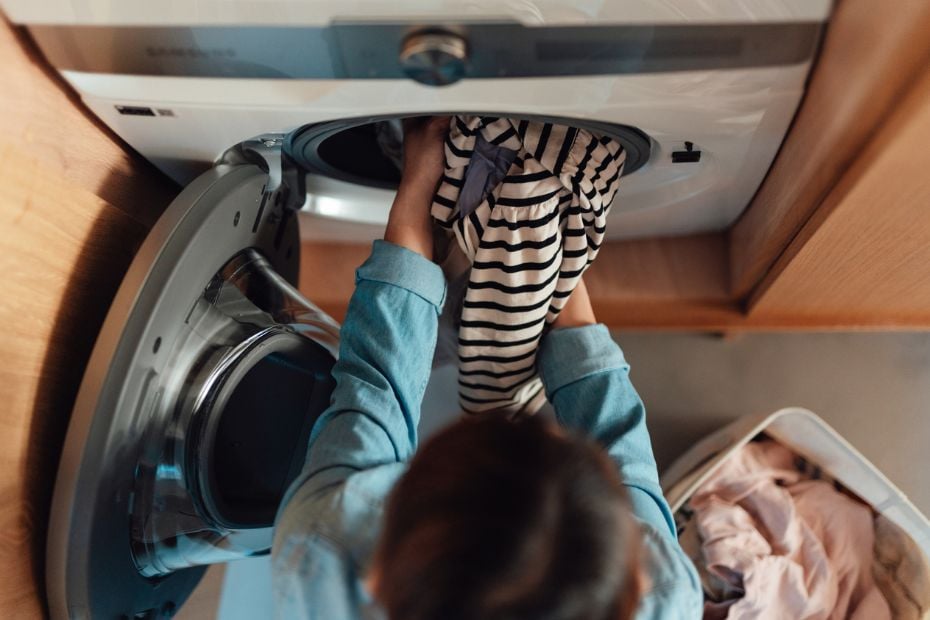
From powder to plastic-free: The rise of eco-friendly detergents in the UAE
Gulf Business· 2025-11-06 04:14
Core Insights - The UAE's detergent chemicals market is projected to grow from $58.9 billion in 2025 to $85.6 billion by 2031, with a CAGR of 6.4% [2] - The soap and detergent market is expected to expand at a CAGR of 5.5% during the same period [3] - The market is increasingly influenced by sustainability, convenience, and innovation, driven by heightened hygiene awareness and technological advancements [4] Market Drivers - Hygiene awareness has increased due to COVID-19, leading to higher demand for effective cleaning products [9] - Urbanization and lifestyle changes are shifting consumer preferences towards convenient and environmentally responsible products [9] - Industrial expansion in sectors like healthcare and hospitality is driving demand for high-performance cleaning chemicals [9] - Technological innovations, including enzyme technologies and bio-based surfactants, are enhancing product performance while reducing environmental impact [9] - Government regulations promoting biodegradable solutions are stimulating innovation in green products [9] Market Challenges - Environmental concerns regarding wastewater pollution necessitate investment in biodegradable formulations [10] - Fluctuating raw material prices and high compliance costs pose challenges for manufacturers [10] - The presence of counterfeit products and supply chain vulnerabilities highlight the need for continuous innovation [10] Market Segmentation - Key players include BASF SE, Dow Chemical Company, Evonik Industries AG, and others, focusing on sustainability [11] - The market is segmented by type (surfactants, builders, enzymes, etc.), application (laundry detergents, dishwashing products, etc.), and end-user industry (household consumers, healthcare, etc.) [22] Innovation and Sustainability Trends - The shift towards eco-friendly, biodegradable, and enzyme-based products is notable in the UAE cleaning industry [12] - Enzyme-based detergents are becoming essential, particularly in industrial laundries, enhancing cleaning efficiency while reducing resource consumption [13] - Liquid and concentrated detergents are replacing traditional powders, improving performance and reducing packaging waste [14] - Technological advancements in surfactant chemistry are enhancing biodegradability and water solubility [15] Consumer Behavior and Government Influence - UAE consumers are rapidly developing sustainability awareness, influenced by government initiatives like Dubai Can and the UAE Circular Economy Policy [26] - These initiatives create a foundation for understanding and urgency around sustainable living [27] Company Spotlight: Baya - Baya, a UAE-based eco-conscious brand, has introduced plastic-free laundry detergent sheets and biodegradable dryer sheets [17] - The company addresses the disconnect between consumer desire for sustainable options and available products [18] - Baya employs a direct-to-consumer subscription model, ensuring accessibility to eco-friendly products [20] - The brand focuses on consumer education and community engagement to promote sustainable living [19] Future Outlook - The UAE's detergent chemicals and soap markets are expected to reach over $85 billion by 2031, with eco-friendly products leading new developments [30] - The synergy between government initiatives, consumer awareness, and entrepreneurial innovation is accelerating the transition towards sustainable cleaning habits [27][30] - The market is evolving to align hygiene, performance, and environmental responsibility, indicating a promising future for sustainable products [32][33]
Evonik Industries AG 2025 Q3 - Results - Earnings Call Presentation (OTCMKTS:EVKIY) 2025-11-04
Seeking Alpha· 2025-11-04 12:00
Group 1 - The article does not provide any relevant content regarding company or industry insights [1]

化工行业-中国化工行业谈话要点-Chemicals -China Chemicals Fireside Chat Takeaways
2025-10-17 01:46
Summary of Key Points from the Conference Call Industry Overview - **Industry**: Chemicals, specifically focusing on the Chinese chemicals market and its dynamics in relation to global trade tensions and government policies [2][8] Core Insights and Arguments - **Near-Term Trading Outlook**: Demand in the Chinese chemicals sector remains weak, but a slight improvement is expected in Q3 2025 compared to previous quarters. Aromatic chains are performing better than olefins, which are under price and margin pressure. TDI prices initially rose due to a force majeure event in Europe but later declined, while MDI demand is lukewarm, likely impacting Q3 results negatively [3][4] - **Impact of Trade Tensions**: Ongoing trade tensions between the US and China are expected to affect production in the white goods sector towards the end of 2025. Initial consumer subsidies of RMB300 billion for electronics and household goods led to front-loaded consumption in the first half of 2025, but expectations for the fourth quarter and into 2026 are weakening [4][5] - **Export Restrictions on Battery Materials**: China has intensified export restrictions on battery materials, including high energy density batteries and NCM materials, which were previously restricted in 2023. This trend is expected to continue impacting the market [5][6] - **Anti-Involution Policies**: The Chinese government is focused on controlling excess capacity, but the execution of these policies remains uncertain. The upcoming fourth plenary session of the 20th Central Committee may provide more clarity on these policies [6][10] - **Options for Capacity Management**: The government has three potential options for managing old capacity: forced closures, upgrading existing plants, or replacing old capacity with new. Some companies are already planning upgrades to allow for mixed feedstock, which could mitigate risks from geopolitical disruptions [10][11] - **Investor Sentiment**: While investor sentiment is improving, it remains relatively weak. Many investors are cautious about calling the bottom of the cycle, leading to expectations of range-bound stock performance over the next six months [11] Additional Important Insights - **Seasonality in Chemical Demand**: The typical seasonal strength in Q3 for chemicals is not as pronounced this year, indicating broader market challenges [3] - **Market Expectations**: There is a general expectation for price stabilization in the property market, but immediate effects are not anticipated [4] - **Government Actions**: The Chinese government’s approach to managing the chemicals sector is still evolving, with potential implications for future capacity and production strategies [6][10] This summary encapsulates the key points discussed in the conference call, highlighting the current state of the chemicals industry in China, the impact of trade tensions, and the outlook for investor sentiment and government policies.
German Chemical Makers Say Carbon Costs Damage Europe’s Edge
MINT· 2025-10-10 16:01
Core Viewpoint - German chemical companies are expressing concerns that high carbon allowance costs are undermining Europe's competitiveness, prompting calls for adjustments in the emissions trading system to support struggling industries [1][3]. Group 1: Industry Concerns - Leading firms such as BASF SE and SKW Stickstoffwerke Piesteritz GmbH are advocating for exemptions in the emissions trading system as costs are expected to rise with the phase-out of free certificate allocations starting next year [1]. - The chairman of SKW Piesteritz highlighted that carbon prices in Europe are five times higher than in other regions, posing a significant threat to the industry's survival, even more so than previously high gas prices [2]. - The chemical sector is intensifying lobbying efforts against the EU's climate policies due to ongoing crises, with German chemical plants operating at only 72% capacity in Q2, marking the lowest level in over 30 years [3]. Group 2: Government and Policy Response - The German ruling coalition is supporting struggling industries, with Chancellor Friedrich Merz advocating for more flexibility in the EU's 2035 ban on new combustion-engine vehicles to aid automakers [4]. - The European Commission is working on enhancing the Carbon Border Adjustment Mechanism to protect domestic industries, but the current review will not address the chemical sector [4]. - BASF SE has stated that the existing carbon market scheme is detrimental to the competitiveness of energy-intensive basic material production in Europe, warning that failure to reform the CBAM could lead to increased relocation of emission-intensive production [5].

Epoxy Curing Agent Market Poised for Sustainable Growth Amid Rising Demand for Advanced Coatings and Adhesives | Future Market Insights, Inc.
Globenewswire· 2025-03-17 15:20
Market Overview - The global epoxy curing agent market is projected to grow steadily, reaching USD 5,476.9 million by 2035, with a compound annual growth rate (CAGR) of 3.4% [1][10] - Key industries driving this growth include construction, automotive, aerospace, and electronics, due to the increasing demand for high-performance coatings, adhesives, and sealants [2][10] Market Growth Drivers - The demand for high-performance coatings and adhesives is a significant factor contributing to market growth [10] - The shift towards low-VOC, waterborne, and bio-based formulations is leading to sustainable innovation in the industry [4][9] - Advancements in technology, such as solvent-free and rapid-curing epoxy solutions, are aligning with evolving regulatory standards and customer preferences [3][4] Competitive Landscape - The epoxy curing agent market is highly competitive, with major players like Evonik Industries AG, Huntsman Corporation, Cardolite Corporation, Gabriel Performance Products, and Olin Corporation focusing on technological advancements and sustainability [7][11][12] - Companies are investing in research and development, mergers and acquisitions, and regional expansions to enhance their market presence [7] Emerging Trends - There is a rising demand for waterborne and low-VOC epoxy coatings, particularly in the construction and infrastructure sectors [9][10] - The aerospace and automotive industries are increasingly utilizing epoxy curing agents for lightweight composites and high-performance coatings [9][10] - Innovations in self-healing polymer technology and UV-curable epoxy systems are creating new opportunities in industrial applications [10] Regional Insights - The Asia-Pacific region is leading the epoxy curing agent market, with China and India emerging as key hubs for production and application [10]