
围棋文化

Search documents
全国人大代表李国伟:建议多方协同推动围棋教育发展
Zhong Guo Xin Wen Wang· 2026-02-25 08:39
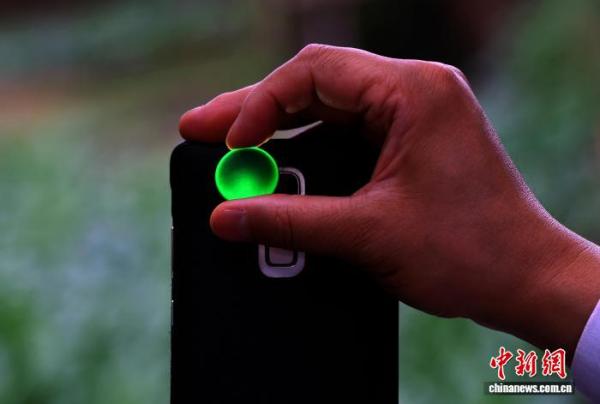
Group 1 - The core idea of the articles revolves around the revival and promotion of the traditional Chinese Go game, specifically the "Yongzi" Go pieces, which have a history of over 4,000 years and are recognized as a national intangible cultural heritage [1][2] - Li Guowei, the 12th generation inheritor of Yongzi, has been working since 1997 to revive the production of these Go pieces, experimenting with over 50,000 formulas to achieve the desired quality [2] - The Yongzi production technique has been recognized as a national intangible cultural heritage project, with Li Guowei holding 25 patents and registering 58 trademarks [2] Group 2 - Li Guowei emphasizes the importance of education in passing on Go culture, advocating for the integration of Go into school curriculums and community programs [4][6] - The city of Baoshan has actively promoted Go culture through various initiatives, including the establishment of 27 "Go characteristic schools" and hosting multiple Go competitions [4] - Current statistics indicate that the Go population in China exceeds 60 million, highlighting the potential for further cultural integration and educational development [6]

内蒙古率先开启围棋“村超”模式
Xin Lang Cai Jing· 2026-02-02 20:06
Core Viewpoint - The "Miaoguan Cup" Inner Mongolia Rural Go Tourney was held in Hohhot, showcasing the growth of Go culture in rural areas and aiming to enrich local cultural life [1] Group 1: Event Overview - The tournament featured both individual and team competitions, with the Bayantuhai team winning the team championship and Wu Handa from the Inner Mongolia Go Association winning the individual championship [1] - The event also included a pair Go competition, where players Ouno and Tu Jianjun emerged as champions [1] Group 2: Cultural Significance - The event aims to promote Go culture in rural areas, drawing inspiration from the historical story of Miaoguan and Zhou Guoneng, reflecting the development of Go during the Liao Dynasty [1] - The Inner Mongolia Go Association plans to establish a cultural brand resource to enhance the presence of Go in rural and pastoral communities, aspiring to create a new development pattern for Go in China [1] Group 3: Promotion and Development - The tournament included a live streaming activity, marking a pioneering effort in promoting Go at the village level, which is expected to enhance the cultural and historical awareness of the local community [1] - Inner Mongolia's Go scene has seen significant growth, with over 600,000 Go players and around 200 competitions held annually, producing three professional players and over 50 amateur 6-dan players [1] - A Go cultural station was established in the Bayantuhai Town community service center to further promote and popularize Go at the grassroots level [1]
新华时评:纵横十九道 激励一代人
Xin Hua She· 2026-01-16 03:35
Group 1 - The news highlights the passing of Nie Weiping, a legendary figure in Chinese Go, who played a significant role in popularizing the game in China and internationally [1] - Nie Weiping began his Go career at the age of ten, winning third place in the first Beijing Youth Go Tournament in 1962, marking the start of his over 60-year journey in the Go world [1] - In the 1980s, Nie emerged as a key player in international Go competitions, defeating many top global players and contributing to the rise of Chinese Go on the world stage [1] Group 2 - Nie Weiping's victories inspired a generation and transformed Go from a niche activity into a popular intellectual game across China, igniting a nationwide enthusiasm for the sport [1] - Even after stepping back from competitive play, Nie continued to promote Go and educate others, emphasizing perseverance and the importance of overcoming challenges [1] - The article reflects on the historical significance of Go, tracing its origins back to ancient times and highlighting its complexity and depth, which resonate with philosophical teachings [1]
棋圣聂卫平逝世,曾长期推动江苏围棋发展
Xin Lang Cai Jing· 2026-01-15 22:30
Core Viewpoint - The passing of renowned Go master Nie Weiping on January 14 has left a significant impact on the Go community in Jiangsu, where he contributed greatly to the promotion and development of the game [1][2]. Group 1: Contributions to Go in Jiangsu - Nie Weiping played a crucial role in the development of Go in Jiangsu since the 1980s, participating in various events and promoting the game among youth [1][2]. - He was instrumental in the establishment of the "Taiping Shuzhen" Cup Go Invitational, which has become a beloved event among local Go enthusiasts [2]. - His efforts included engaging with students through the "Go Master in Schools" initiative, where he provided guidance and support to young players [2]. Group 2: Legacy and Impact - Nie Weiping's legacy is marked by his dedication to Go education, having founded the Nie Weiping Go Academy in 1999, which became a key training ground for future talents [2]. - His influence extended internationally, as he facilitated cultural exchanges by inviting foreign Go enthusiasts to participate in local events [2]. - The Go community mourns his loss, recognizing his contributions as a source of inspiration and encouragement for younger generations of players [3].
一代棋圣已逝,人类还需要围棋吗
Jing Ji Guan Cha Bao· 2026-01-15 13:27
Core Viewpoint - The passing of Nie Weiping marks the end of an era in the Go community, highlighting his significant contributions to the revitalization of Chinese Go and his status as a legendary figure in the global chess scene [1][2]. Group 1: Historical Impact - Nie Weiping's victory in the 1985 China-Japan Go Championship was a pivotal moment, as he defeated top Japanese players and led China to three consecutive championships from 1985 to 1988, establishing a record of 11 consecutive wins in the first four tournaments [1]. - His achievements greatly boosted national pride in China, leading to a surge in interest in Go among the public, with games being played widely in streets and communities [1]. Group 2: Cultural Significance - The title of "Go Sage" awarded to Nie Weiping in 1988 reflects his revolutionary impact on Chinese Go, distinguishing him as a prominent figure in the history of the game [2]. - Nie Weiping's perspective on Go emphasizes its ability to enhance intelligence and foster a deep connection with life, suggesting that the game remains relevant and beneficial for personal development [3]. Group 3: Philosophical Insights - The essence of Go, as articulated by Nie Weiping, lies in its capacity to guide individuals towards goodness and resilience, offering valuable life lessons beyond the competitive aspect of the game [3][4]. - His experiences and insights encourage individuals to cultivate focus and dedication, which are essential in navigating life's challenges, thus promoting a long-term perspective in personal and professional pursuits [4].
棋圣聂卫平已逝,人类还需要围棋吗
经济观察报· 2026-01-15 13:24
Core Viewpoint - The article reflects on the legacy of Nie Weiping, a legendary figure in Chinese Go, emphasizing his pivotal role in revitalizing Chinese Go and the cultural significance of the game in contemporary society [2][4]. Group 1: Nie Weiping's Impact on Go - Nie Weiping's passing on January 14 marks the end of an era, being a significant loss for both Chinese Go and the global chess community [2]. - He led the Chinese team to victory in the first three editions of the China-Japan Go Championship from 1985 to 1988, achieving an unprecedented record of 11 consecutive wins in the first four tournaments [2]. - His victories not only boosted national pride but also sparked a nationwide interest in Go, making it a common pastime across China [2]. Group 2: Cultural and Philosophical Insights - The article posits that Go remains relevant and necessary in modern society, serving as a medium to connect human emotions and intellect [4]. - Nie Weiping's reflections on Go highlight its ability to enhance intelligence and foster a deep, lasting engagement with the game [4]. - The game embodies profound lessons about competition and cooperation, which are applicable to everyday life, transcending the realm of professional players [4]. Group 3: Lessons from Nie Weiping's Approach - Nie Weiping's demeanor and focus exemplify a level of composure that is crucial for personal and professional growth, especially in a fast-paced, results-driven world [5]. - His experiences in Go and bridge games illustrate the importance of dedication and long-term commitment, encouraging individuals to avoid superficial pursuits [5]. - The article advocates for the adoption of Nie's mindset in various aspects of life, suggesting that such an approach can benefit society as a whole [5].

新民晚报就是围棋人的家
Xin Lang Cai Jing· 2026-01-15 08:09
Group 1 - The core viewpoint of the articles highlights the long-standing relationship between Nie Weiping and the Xinmin Evening News, emphasizing the newspaper's significant role in promoting and supporting the development of Go in China [2][3]. - Nie Weiping has been actively involved in promoting Go, with the Xinmin Evening News co-founding the China Go Tianyuan Tournament in 1987, which has become a crucial event in the Go community [2][3]. - The Tianyuan Tournament, now in its 40th year, is noted for its continuity and significance in the history of professional Go in China, with Nie Weiping expressing confidence in its future growth [3]. Group 2 - Nie Weiping's connection with the Xinmin Evening News dates back to the 1960s, with the newspaper covering his early achievements in Go, including his participation in the national children's Go competition [2]. - The articles mention Nie Weiping's fond memories of past tournaments, including a notable match in 1991 that lasted 6 hours and 50 minutes, showcasing the competitive spirit and history of Go in China [3]. - The Xinmin Evening News has been recognized for its enduring influence and contribution to the Go community, with Nie Weiping praising its ability to remain relevant and engaging over the decades [5].
曾吸氧奋战的聂卫平去世,中日擂台赛力挽狂澜引发围棋热
Di Yi Cai Jing· 2026-01-15 05:01
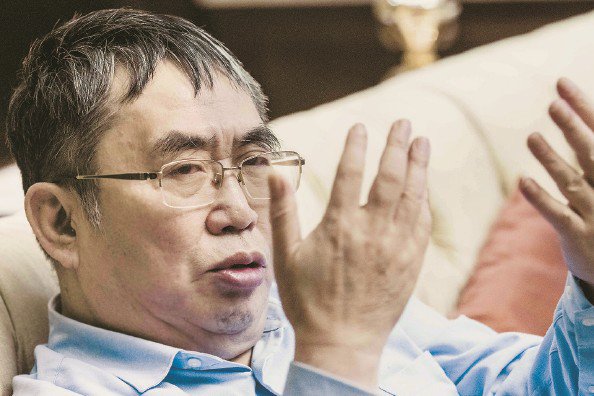
Core Viewpoint - Nie Weiping, a prominent figure in Chinese Go, passed away at the age of 74, leaving a significant legacy in the development and popularization of Go in China [1][9]. Group 1: Career Achievements - Nie Weiping was a key player in the Sino-Japanese Go arena during the 1980s, leading the Chinese team to victory in the NEC Cup, which marked a turning point in the competitive landscape of Go between China and Japan [5][6]. - He achieved a remarkable three consecutive championships in the NEC Cup from 1984 to 1987, contributing to a total of seven victories for the Chinese team by 1996, surpassing Japan's four [6][8]. - As a coach, he played a crucial role in mentoring the next generation of Go players, including prominent figures like Chang Hao [7]. Group 2: Contributions to Go Culture - Nie Weiping was instrumental in promoting Go through various roles, including as a commentator on televised Go matches and as a driving force behind the commercialization of Go events [1][5]. - He founded the Nie Weiping Go Club in Shanghai in 2001, which focuses on organizing Go events and training, and continues to operate today [8]. - His efforts in popularizing Go led to a significant increase in interest, with reports of enrollment in Go schools increasing tenfold following the NEC Cup victories [6]. Group 3: Views on Artificial Intelligence - Initially, Nie Weiping viewed the rise of artificial intelligence in Go as a potential threat to professional players, but later acknowledged its role in enhancing the understanding of the game [8]. - He believed that despite the dominance of AI in Go, the cultural and philosophical aspects of the game remain essential for human players [8].
成都“落子”,下一盘“大棋”
Mei Ri Jing Ji Xin Wen· 2025-11-29 10:34
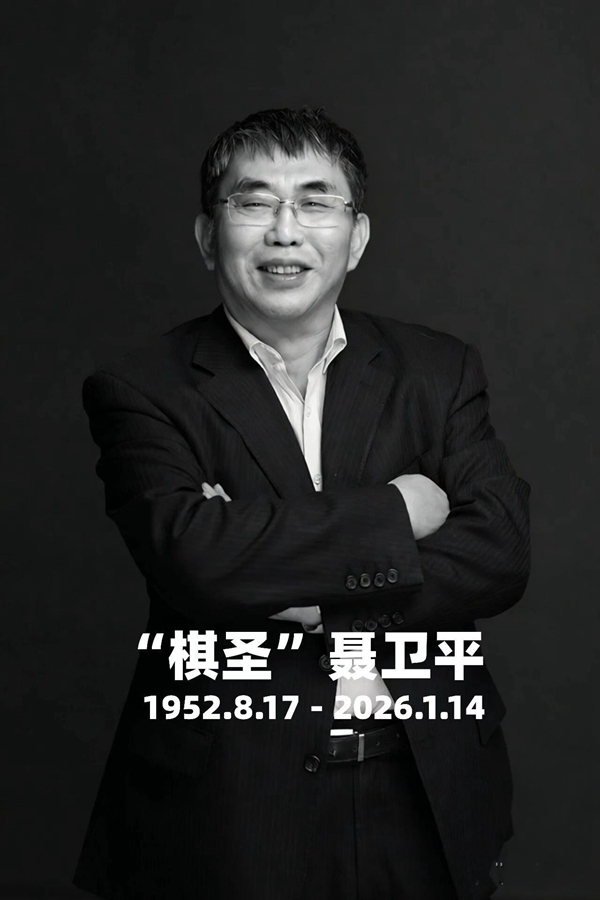
Core Insights - Chengdu has recently produced two world champions in Go, highlighting the city's rich cultural heritage and its significance in the Go community [4][8] - The victories of Liao Yuanhe and Dang Yifei represent a new milestone for Chengdu, showcasing the city's potential in nurturing top-tier Go talent [6][8] Group 1: Recent Achievements - Liao Yuanhe won the 30th Samsung Cup, defeating top players including Shin Jin-seo and Ding Hao, marking his first world championship title [6][8] - Dang Yifei claimed his second world title at the 3rd Lanke Cup, overcoming Shin Jin-seo, further emphasizing the competitive spirit of Chengdu's Go players [7][8] Group 2: Cultural Significance - Chengdu's Go culture has deep historical roots, with evidence of Go dating back over 2,000 years, and it has been integrated into the city's lifestyle and cultural identity [14][15] - The city has a comprehensive Go education system, from basic to professional levels, which supports the development of young talents [14][15] Group 3: Future Prospects - Chengdu aims to enhance its global influence in the Go community by hosting more international and domestic top-tier events, thereby solidifying its status as a "Go City" [15][16] - The local Go association is focused on creating unique event IPs and integrating Go culture with tourism, which could attract enthusiasts from around the world [16]

十五运会群众比赛围棋项目(团体)预赛浙江衢州开幕
Xin Hua She· 2025-09-14 01:18
Group 1 - The 15th National Games mass competition for Go (team) preliminaries commenced in Quzhou, Zhejiang, with 193 participants from 33 teams competing for advancement [1][2] - The preliminaries will take place from September 13 to 15, featuring 8 rounds, with the top 9 teams advancing to the finals alongside the host Guangdong team and teams from Hong Kong and Macau, totaling 12 teams [1] - The unique "mass team" format of the Go competition emphasizes overall strength over individual advantage, showcasing the development of Go across different regions [1] Group 2 - This event marks the first time the National Games Go competition is held in Quzhou, enhancing the city's event hosting capabilities and cultural influence [2] - A series of activities titled "Go into Scenic Areas, Streets, and Business Circles" will be held to promote Go culture and engage the public [2]