
围棋

Search documents
近代中国如何拥抱现代奥林匹克与国际接轨?|新年书摘
Di Yi Cai Jing· 2026-02-15 01:39
Core Argument - The transition of China from an imperial civilization to a nation-state is significantly hindered by traditional sports, which reflect cultural and civilizational characteristics that are at odds with modernity [1][4][5]. Group 1: Traditional Sports and Cultural Identity - Traditional Chinese sports, such as martial arts and Go, embody cultural and civilizational traits that are integral to the construction of "Chineseness" [3][4]. - The concept of "sports" as understood today was introduced from Japan in the late 19th century, highlighting a cultural paradox where traditional activities reflect Chinese identity yet are labeled as inferior in modern contexts [3][4]. - The emphasis in traditional sports is on moral and intellectual development rather than physical prowess, contrasting sharply with Western competitive sports [5][6]. Group 2: Historical Context and Evolution - The evolution of Chinese sports can be divided into three significant phases: the Spring and Autumn period, the Qin and Han dynasties to the Song, and the Ming and Qing dynasties, with key turning points occurring during the Song dynasty and the late 19th century [6][7][8]. - The Song dynasty marked a decline in the emphasis on physicality and sports due to socio-political pressures and the rise of Confucian ideals, leading to a negative perception of physical activities [7][8]. - By the late 19th century, the humiliation of the Opium Wars prompted a national awakening, leading to a renewed interest in sports as a means of national rejuvenation and identity reconstruction [9][10]. Group 3: Internationalization and Modernization - The introduction of modern Olympic ideals to China was facilitated by the YMCA, which played a crucial role in promoting sports and organizing national competitions [15][16]. - The establishment of the first national sports event in 1910 and the subsequent interest in the Olympics marked a significant shift towards international engagement in sports [16][17]. - The success of Chinese students in American sports during their studies abroad exemplified the potential for international competitiveness, contrasting with the domestic perception of weakness [12][13][14]. Group 4: Contemporary Implications - The hosting of the 2008 Summer Olympics and the 2022 Winter Olympics in Beijing reflects China's growing emphasis on sports as a symbol of international integration and national pride [17][18]. - Sports have also played a pivotal role in diplomatic relations, as seen in the "ping-pong diplomacy" of the 1970s, which opened doors for international engagement [18]. - The increasing societal focus on sports is evident in educational contexts, with sports being integrated into national discourse and even high school examinations [17].

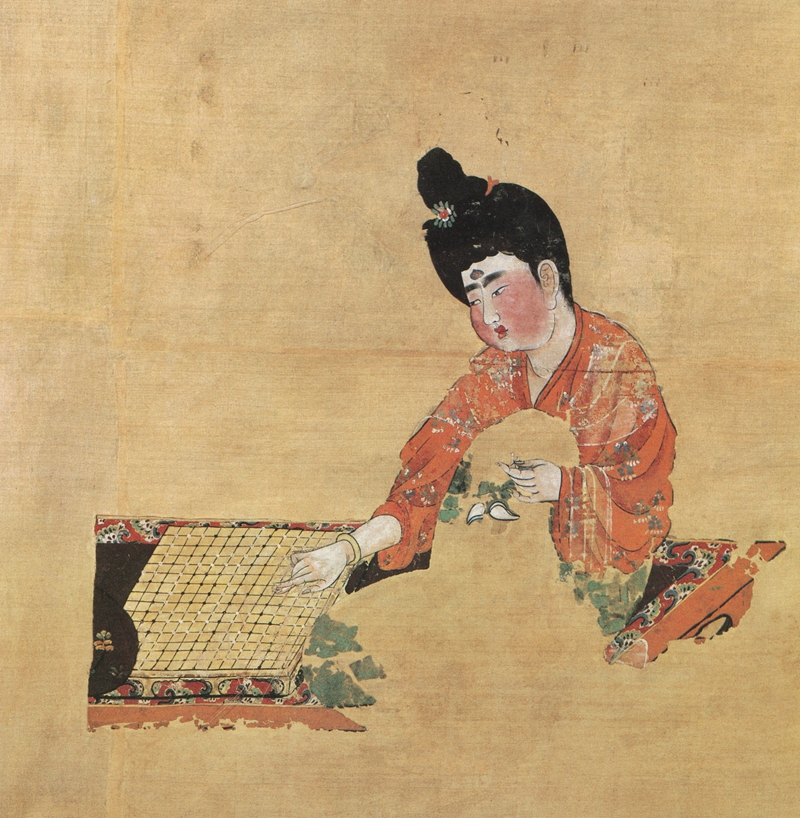
内蒙古率先开启围棋“村超”模式
Xin Lang Cai Jing· 2026-02-02 20:06
Core Viewpoint - The "Miaoguan Cup" Inner Mongolia Rural Go Tourney was held in Hohhot, showcasing the growth of Go culture in rural areas and aiming to enrich local cultural life [1] Group 1: Event Overview - The tournament featured both individual and team competitions, with the Bayantuhai team winning the team championship and Wu Handa from the Inner Mongolia Go Association winning the individual championship [1] - The event also included a pair Go competition, where players Ouno and Tu Jianjun emerged as champions [1] Group 2: Cultural Significance - The event aims to promote Go culture in rural areas, drawing inspiration from the historical story of Miaoguan and Zhou Guoneng, reflecting the development of Go during the Liao Dynasty [1] - The Inner Mongolia Go Association plans to establish a cultural brand resource to enhance the presence of Go in rural and pastoral communities, aspiring to create a new development pattern for Go in China [1] Group 3: Promotion and Development - The tournament included a live streaming activity, marking a pioneering effort in promoting Go at the village level, which is expected to enhance the cultural and historical awareness of the local community [1] - Inner Mongolia's Go scene has seen significant growth, with over 600,000 Go players and around 200 competitions held annually, producing three professional players and over 50 amateur 6-dan players [1] - A Go cultural station was established in the Bayantuhai Town community service center to further promote and popularize Go at the grassroots level [1]
【史海回眸】“棋圣”聂卫平改写亚洲棋坛格局
Huan Qiu Shi Bao· 2026-01-22 22:35
Core Viewpoint - The passing of Nie Weiping, a legendary figure in Chinese Go, marks the end of an era and highlights his significant contributions to transforming the landscape of Go in Asia, particularly through his victories against Japanese players in the 1980s [1]. Group 1: Historical Context - China, the birthplace of Go, faced a long-standing dominance by Japanese players in the modern era, with early matches heavily favoring Japan [2]. - The invitation of the Japanese Go delegation to China in 1960 by Vice Premier Chen Yi initiated a diplomatic effort to promote Go, despite Japan's early victories [2]. - Nie Weiping's early career was influenced by Chen Yi, who inspired him to strive for success against Japanese players [2][3]. Group 2: Nie Weiping's Rise - Nie Weiping joined the national Go team in 1973 and quickly became a leading player, achieving significant victories against Japanese masters [3][4]. - His first major victory against a Japanese nine-dan player, Miyamoto Naoki, in 1974 marked a turning point for Chinese Go [3]. - By 1975, Nie had established himself as a dominant force in domestic competitions, leading to the emergence of the "Nie Weiping era" in Chinese Go [4]. Group 3: The Sino-Japanese Go Matches - The first Sino-Japanese Go competition in 1984 marked a pivotal moment, with Nie Weiping becoming a key player in reversing Japan's dominance [6][8]. - In the 1985 match, Nie's victory over Kobayashi Koichi was a historic moment, leading to a series of wins that culminated in China winning the championship [6][7]. - Nie's performance in subsequent matches solidified his reputation, leading to a 9-0 record in the following competitions [8][10]. Group 4: Legacy and Recognition - Nie Weiping was awarded the title of "Go Sage" in 1988, recognizing his contributions to the sport and his role in elevating China's status in Go [11]. - After retiring, he dedicated himself to teaching and promoting Go, significantly impacting the development of future generations of players [11]. - His legacy continues to inspire and motivate new players, symbolizing a spirit of resilience and national pride in Chinese Go [12].
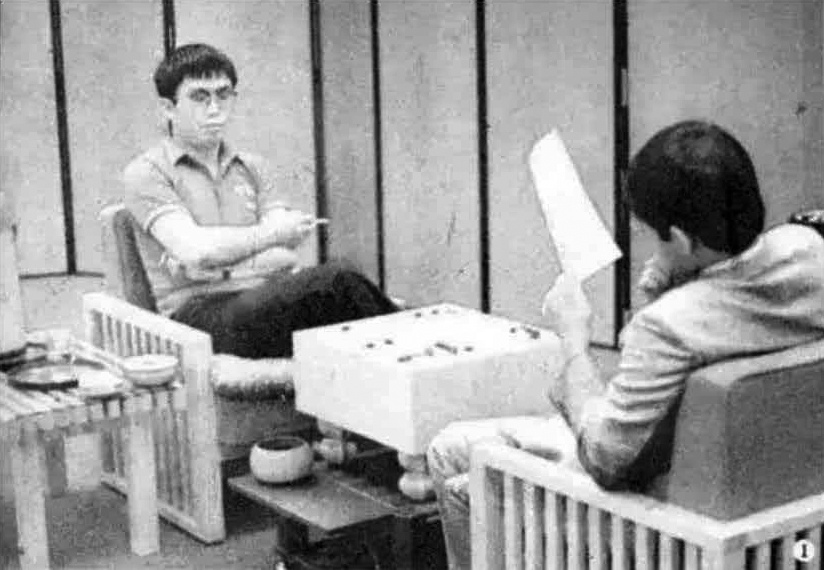
聂卫平与齐鲁大地的围棋记忆
Xin Lang Cai Jing· 2026-01-21 10:20
Group 1 - The article reflects on the legacy of Nie Weiping, a prominent figure in Chinese Go, highlighting his contributions to the sport and its popularity in China [2][6] - The establishment of the Shandong Go team marked a significant development in the region's Go culture, supported by the Qilu Evening News and notable players like Cao Dayuan and Nie Weiping [4][5] - The growth of Go in Shandong has led to the emergence of numerous amateur players and several world champions, positioning the region among the top in China for Go enthusiasts [5] Group 2 - The article discusses the historical context of Go in China, noting its resurgence in popularity during the 1980s and 1990s, particularly after the China-Japan Go matches [2][3] - The establishment of Go clubs and training programs has been instrumental in nurturing young talent and promoting the game as part of traditional Chinese culture [3][4] - The personal anecdotes shared in the article illustrate the intergenerational impact of Go, with families continuing the tradition and interest in the game [5]
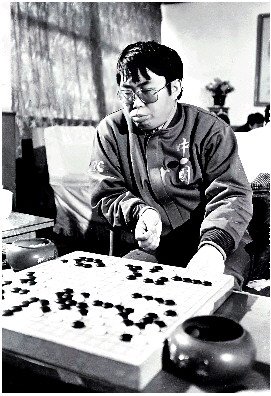
纪念聂卫平和我们已远去的青春
Xin Lang Cai Jing· 2026-01-19 23:21
Group 1 - The passing of Nie Weiping, a legendary figure in Go, evokes deep nostalgia and reflection on a bygone era of Chinese Go, highlighting the impact of AI on the current landscape of the game [3] - The first Sino-Japanese Go competition in 1985 marked a significant moment in China's cultural and competitive resurgence, as it occurred during a time of national awakening and realization of past disparities in various fields, including Go [4] - The initial excitement generated by the competition was met with the harsh reality of Japan's superior Go skills, leading to a sense of national pride and hope when Nie Weiping achieved a notable victory against a top Japanese player [7][9] Group 2 - The narrative of Nie Weiping's victories in subsequent competitions, including an impressive eight consecutive wins, symbolizes a broader national spirit of resilience and determination during the 1980s [10][11] - The evolution of the Go scene in China, transitioning from Nie Weiping's era to the rise of other prominent players, reflects the changing dynamics and competitive landscape within the sport [13] - The cultural significance of Go as a representation of national identity and spirit during a transformative period in China is emphasized, showcasing how the game served as a metaphor for the country's struggles and aspirations [14][19]
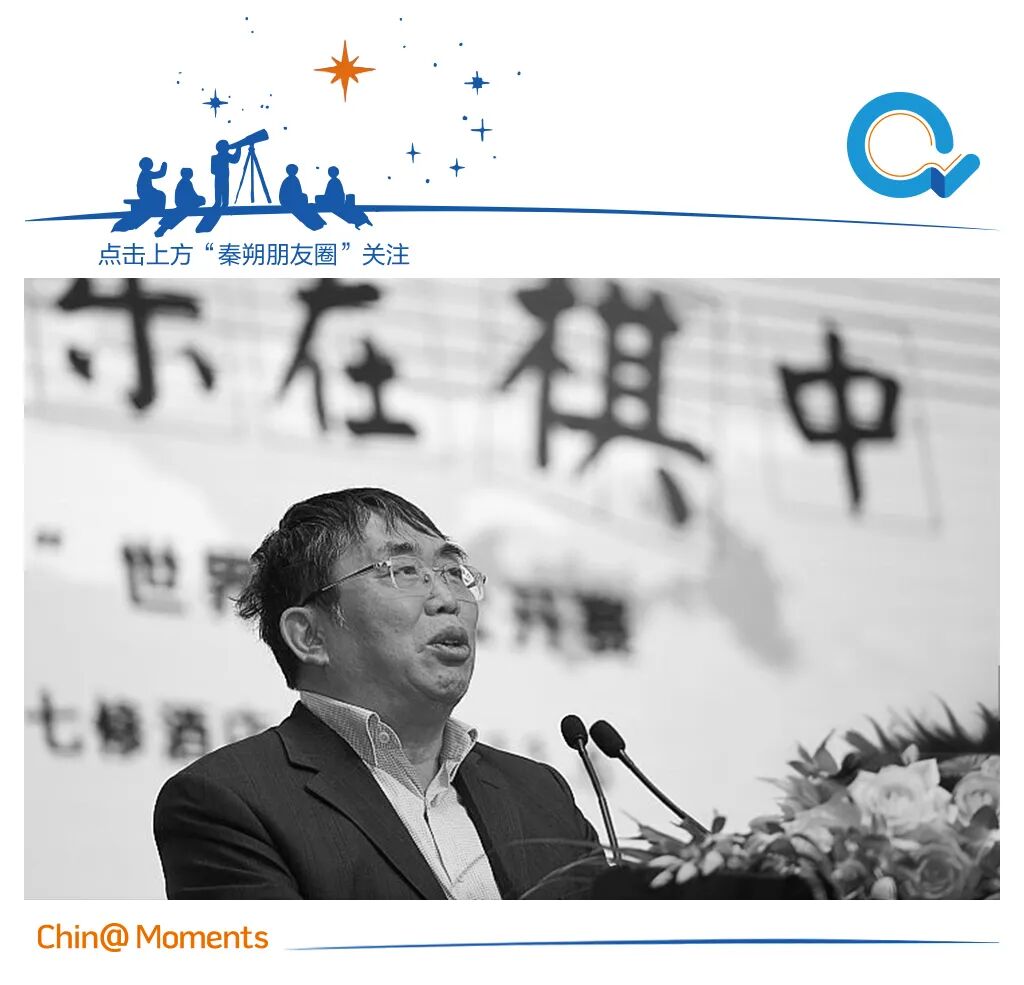
人生最后几年,“棋圣”如何看待“棋圣”?
Xin Lang Cai Jing· 2026-01-18 13:17
Core Viewpoint - The article reflects on the legacy of Nie Weiping, the first and only "Chess Saint" in New China's history, emphasizing the cultural significance of Go in China and its evolution in the age of AI [1][2]. Group 1: Legacy of Nie Weiping - Nie Weiping passed away at the age of 74, leaving behind a legacy that transcends sports, having uplifted national spirit through his achievements in Go [2]. - The title "Chess Saint" was a recognition of his remarkable performance, including an unprecedented 11 consecutive wins in the China-Japan Go competition, which he reflects on as both a source of pride and anxiety [7][8]. Group 2: Go and AI - The advent of AI has transformed the understanding and practice of Go, yet the interest in the game has not diminished; new generations of players are emerging, and international competitions are proliferating [2][11]. - Despite AI's ability to challenge traditional theories of Go, it is emphasized that the essence of the game and its teachings remain relevant for human life, suggesting that Go continues to hold value in the AI era [8][10]. Group 3: Cultural Significance and Global Expansion - Go is recognized as a vital part of Chinese culture, embodying philosophical and strategic elements that connect with various aspects of life and military strategy [10]. - The current Go population in China exceeds 60 million, with around 15 million amateur players holding ranks, indicating a strong foundation for further growth [10]. - Efforts are underway to promote Go in schools and expand its global reach, particularly in Europe and Southeast Asia, where participation from local players is encouraged through events like the "Nanyang Cup" [11][13].
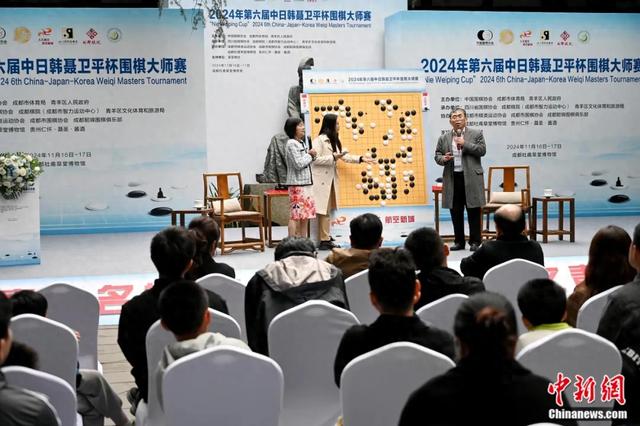
追忆棋圣聂卫平:名局和谜题
Bei Jing Ri Bao Ke Hu Duan· 2026-01-18 10:37
Core Viewpoint - The article reflects on the life and legacy of Nie Weiping, a prominent figure in Chinese Go, highlighting his contributions to the game and the emotional impact of his passing on society [2][3][23]. Group 1: Contributions to Go - Nie Weiping significantly increased the global popularity of Go, becoming a household name through his achievements in the 1970s and 1980s, including the "Nie whirlwind" in Japan and the success in the China-Japan Go matches [3][5][7]. - His unique playing style, characterized by a grand vision, sharp sense of victory, and precise calculation, set him apart from contemporaries, making him a formidable player [4][5]. - The three major battles he fought—against Japan in the 1970s and 1980s, and the loss to Korea's Cho Hun-hyun in 1989—shaped the landscape of international Go, leading to a tripartite competition among China, Japan, and Korea [6][9][10]. Group 2: Legacy and Recognition - Nie was awarded the title of "Go Sage" in 1988, a recognition that brought both pride and pressure, as he reflected on the weight of such a title throughout his life [10][11]. - His willingness to pass on the title of "Go Sage" to future generations demonstrates his commitment to the growth of the game and respect for the next generation of players [14][23]. - The impact of artificial intelligence on Go, particularly with the advent of AlphaGo, marked a significant turning point in the game, which Nie acknowledged, emphasizing the need for human players to adapt and learn from AI [15][16][17]. Group 3: Personal Reflections and Final Days - The article captures the emotional farewell to Nie Weiping, detailing his last games and the deep connections he formed with fellow players, showcasing the camaraderie within the Go community [19][21][23]. - His passing on January 14, 2026, marked the end of an era in Chinese Go, leaving behind a legacy that intertwines with the memories of many who grew up during his peak [2][23]. - Nie's life is portrayed as a metaphor for the game of Go itself, emphasizing the transient nature of life and the importance of living fully [23].
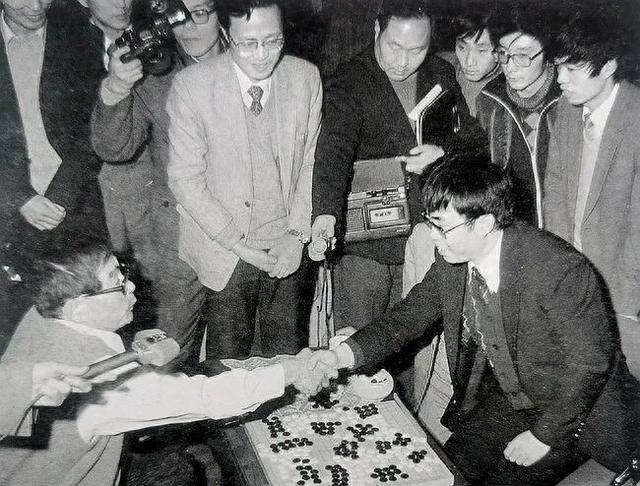
聂卫平今日“落子”!留下的不止黑白胜负
Xin Lang Cai Jing· 2026-01-18 10:11
Core Viewpoint - The news highlights the farewell ceremony for Nie Weiping, a legendary figure in Chinese Go, who passed away at the age of 74, reflecting on his contributions to the game and the impact he had on the development of Go in China [3][4]. Group 1: Farewell Ceremony - The farewell ceremony took place on January 18, 2026, at the Eastern Hall of the Babaoshan Funeral Home in Beijing, attended by people from various walks of life, including Go enthusiasts [3]. - Attendees included prominent figures from the Go community, who expressed deep sorrow and shared memories of Nie Weiping's influence and mentorship [4][6]. - The ceremony featured a display of Nie's achievements, including his 11 consecutive wins in the China-Japan Go competition, and his role in popularizing Go in China [3][4]. Group 2: Nie Weiping's Legacy - Nie Weiping is credited with significantly advancing Chinese Go, breaking the myth of Japanese dominance in the game and inspiring a generation of players [4][6]. - His philosophy emphasized the importance of perseverance and the spirit of competition, which continues to motivate current and future Go players [4][6]. - The impact of Nie's work is evident in the rise of Chinese Go, with the country producing 26 world champions, showcasing its growth in the global Go landscape [6][8]. Group 3: Community Response - The Go community, including international figures from Japan and Korea, expressed their condolences and shared personal anecdotes about Nie's passion for the game [8][9]. - Many attendees, including those who did not know him personally, felt a connection to Nie through his contributions to Go, illustrating his widespread influence [8][9]. - The emotional responses from attendees highlight the deep respect and admiration for Nie Weiping, as he is remembered not just as a player but as a mentor and pioneer in the field [4][6].

特写:风雪送“棋圣” 纹枰别“旋风”
Xin Lang Cai Jing· 2026-01-18 09:07
Core Viewpoint - The article highlights the farewell ceremony for the legendary Go player Nie Weiping, who passed away at the age of 74, emphasizing his significant contributions to the game and the impact he had on Chinese Go culture [3][5][6]. Group 1: Farewell Ceremony - The farewell ceremony for Nie Weiping took place on January 18 at the Babaoshan Funeral Home in Beijing, attended by a diverse group of people from various backgrounds [3][5]. - Attendees included prominent figures from the Go community, who expressed deep sorrow and shared personal anecdotes about Nie Weiping's influence on their lives and careers [5][6]. - The ceremony featured a display of Nie Weiping's achievements, including his 11 consecutive wins in the China-Japan Go competition, showcasing his legacy in the Go world [3][6]. Group 2: Nie Weiping's Legacy - Nie Weiping is remembered for his role in popularizing Go in China, breaking the myth of Japanese dominance in the game and inspiring a new generation of players [3][5]. - His philosophy emphasized the importance of perseverance and the spirit of competition, which continues to motivate current and future Go players [5][6]. - The article notes that Nie Weiping's contributions have transcended national boundaries, with tributes from Go organizations in Japan and Korea, highlighting his universal impact on the game [6][8].
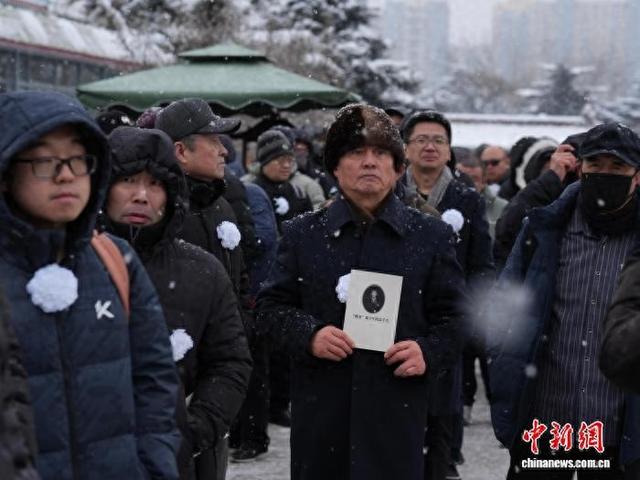
雪落京城,送别“棋圣”
Xin Hua She· 2026-01-18 08:57
Group 1 - The article discusses the passing of Nie Weiping, a prominent figure in Chinese Go, who passed away at the age of 74, prompting widespread mourning and reflection on his contributions to the game [1] - Nie Weiping was recognized for dedicating his life to promoting and popularizing Go, even after stepping back from competitive play, as noted by the current president of the Chinese Go Association, Chang Hao [1] - His influence in the 1980s, particularly during the Sino-Japanese Go matches, helped elevate the status of Chinese Go on the global stage, inspiring many enthusiasts to take up the game [1] Group 2 - The Nie Weiping Go Academy, established in 1999, has become a nurturing ground for many young Go talents, including world champions, highlighting the lasting impact of Nie's legacy on future generations [2] - The article emphasizes the importance of Go as a cultural treasure of the Chinese nation and its role in youth education, with Nie Weiping serving as an exemplary figure in this regard [2] - The spirit of perseverance and patriotism embodied by Nie Weiping is noted to be a lasting influence in Chinese sports history, inspiring future generations to continue striving for excellence [2]