城市微更新

Search documents
“闲置地”变“会客厅” 口袋公园带来“高速口的诗意”
Zhen Jiang Ri Bao· 2025-06-22 23:33
Core Viewpoint - The transformation of a 1.33-hectare idle land into a high-quality pocket park exemplifies successful urban micro-renewal and enhances the image of Zhenjiang as a city, activating the value of highway exit spaces [1][2] Group 1: Urban Development - The park integrates ecology, leisure, and convenience services, showcasing a model for urban renewal [1] - The design philosophy "breaking boundaries and integrating green" led to the removal of visual barriers, creating a transparent visual corridor between the highway and the community [1] - The park's green space is interconnected with the roadside greenery along National Route 346, forming a continuous greenway network [1] Group 2: Community Engagement - The park features a streamlined entrance square that serves both gathering and activity purposes, enhancing community interaction [1] - A modern white steel-framed leisure pavilion, adorned with seasonal trees, has become a popular "green living room" for residents [1] - The combination of a sunny lawn and fitness area attracts families and morning exercisers, promoting an active lifestyle [1] Group 3: Functional Design - A modern, minimalist public service building and an eco-parking lot with grass bricks were added to meet the functional needs of the highway exit [2] - This "transportation function + living service" design transforms the highway exit from a mere transit point into a convenient stop that reflects the city's warmth [2] - The pocket park serves as a compact yet impactful space, enhancing the gateway image of the city and addressing the needs of passersby [2]
睢宁实施滚动式城市微更新提升人居环境
Xin Hua Ri Bao· 2025-06-20 23:10
Group 1 - The core viewpoint of the articles highlights the ongoing urban renewal efforts in Suining County, focusing on the renovation of old residential communities and back streets to improve living conditions for residents [1][2][3] - Suining County has completed the renovation of 15 alleys this year, paving over 4,000 square meters of road surface, with 26 more alleys currently under renovation [1] - The renovation projects emphasize community involvement, with residents actively participating in the improvement efforts, such as donating materials and assisting in the work [4] Group 2 - The transformation of the Ming Shi Garden community involved resurfacing 2,930 square meters of road and renovating all 29 unit entrance walls, along with the construction of a fitness area [2] - The local government has adopted a "small cuts, micro improvements" approach, addressing specific resident concerns and enhancing property management levels across 30 residential communities this year [2][3] - The urban renewal initiatives have led to a significant change in residents' attitudes, with many supporting the necessary alterations despite initial resistance [3]
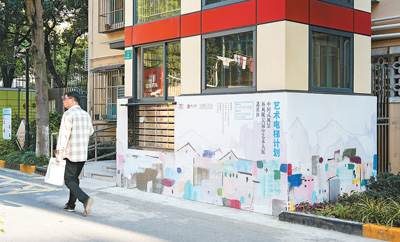
走进电梯,与艺术相遇(深观察)
Ren Min Ri Bao Hai Wai Ban· 2025-05-21 02:18
Core Concept - The "Art Elevator" project in Shanghai's Lujiazui area aims to integrate art into community spaces, transforming elevators into mini art galleries and enhancing residents' cultural experiences [2][10]. Group 1: Project Overview - The "Art Elevator" initiative was launched in collaboration with the China Art Palace and Shanghai University, featuring works from notable artists like Xu Gu [2][3]. - The project has successfully installed 26 "art elevators" in the community, achieving a coverage rate of 62% [10]. - The initiative has been recognized as a model for urban cultural innovation by the Shanghai Municipal Bureau of Culture and Tourism [10]. Group 2: Artistic Integration - The project incorporates traditional Chinese painting styles, such as those from the Shanghai School, into the elevator design, making art accessible to everyday residents [3][5]. - The second phase of the project includes the "Chinese Landscape" exhibition featuring works by Lin Fengmian and Wu Guanzhong, further enriching the community's cultural landscape [6][5]. - Each elevator features high-definition reproductions of artworks, accompanied by QR codes for residents to learn more about the artists and their works [6][8]. Group 3: Community Engagement - The project encourages active participation from residents, transforming them from passive viewers to active creators through workshops and community art projects [8][9]. - A "neighborhood guide" system has been established, allowing residents to share stories about the artworks, fostering a sense of community and cultural dialogue [9][10]. - Educational activities, such as lectures on art history and styles, have been organized to deepen residents' understanding and appreciation of the artworks displayed [7][8]. Group 4: Cultural Impact - The "Art Elevator" project has redefined the role of art in urban spaces, making it a part of daily life and enhancing the aesthetic quality of the community [5][11]. - It serves as a cultural bridge, connecting art with everyday experiences and promoting discussions about urban identity and aesthetics among residents [6][11]. - The initiative exemplifies how urban renewal can incorporate humanistic values, creating a more vibrant and culturally rich community environment [11][12].