新型婚育文化

Search documents
山东延长婚、产假时间,从政策到文化助力生育服务升级
Qi Lu Wan Bao Wang· 2025-04-22 07:42
Core Viewpoint - The Shandong Provincial Government is enhancing reproductive services and ensuring the health of women and children through various supportive policies and initiatives aimed at promoting high-quality population development [3][4]. Group 1: Strengthening Reproductive Support Policies - The new "Shandong Province Population and Family Planning Regulations" has been implemented, increasing marriage leave from 3 days to 15 days, with an additional 3 days for those undergoing premarital medical examinations [3]. - Maternity leave has been extended by 60 days beyond the national requirement, and paternity leave is set at 15 days [3]. - Parents of children under three years old are entitled to a cumulative annual parental leave of at least 10 days, with salary and benefits maintained during this period [3]. Group 2: Promoting Family Health Initiatives - The "Healthy Shandong" initiative has led to the training of nearly 30,000 family health guides, supported by a professional team in medicine, nutrition, and psychology [4]. - A total of 449 prenatal and postnatal guidance centers and 1,225 "Sunflower Parent-Child Rooms" have been established, providing scientific parenting guidance to 2.49 million people [4]. - Annual outreach programs cover 899,000 youth and 625,000 parents, promoting healthy lifestyles and modern family values [4]. Group 3: Advocating New Marriage and Childbearing Culture - The campaign "Advocating New Marriage and Childbearing Culture to Promote High-Quality Population Development" has resulted in over 15,300 public events, reaching 2.17 million people [4]. - Innovative programs in Yiyuan County and Heze City have integrated modern views on marriage and family into community life through live broadcasts and storytelling [4]. - The new marriage and childbearing culture is gradually becoming ingrained in the public consciousness [4]. Group 4: Future Directions - The government plans to intensify efforts, innovate support measures, and explore diverse reproductive support methods to enhance family health guidance services and promote a favorable social environment for high-quality population development [5].

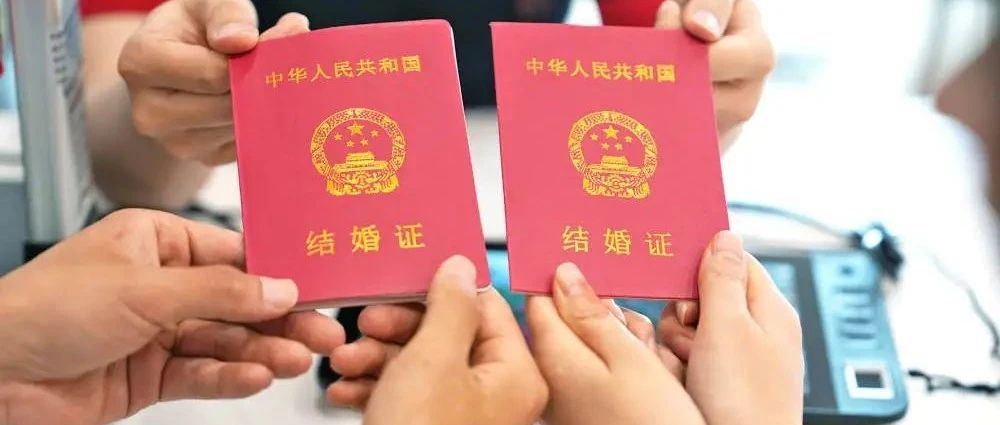
打通“堵点”!《婚姻登记条例(修订草案)》通过!
21世纪经济报道· 2025-03-21 13:38
Core Viewpoint - The recent amendments to the Marriage Registration Regulations aim to enhance the convenience and legal framework of marriage registration, responding to public concerns and promoting a more efficient service system [1][2]. Group 1: Marriage Registration Reforms - The State Council approved the revised Marriage Registration Regulations, which incorporate the successful pilot of "cross-province marriage registration" into law, addressing previous bottlenecks in the registration process [1]. - The Ministry of Civil Affairs has reported that as of 2024, the number of marriage registrations nationwide is 610.6 thousand pairs, reflecting a 20.5% decrease compared to 2023, indicating a need for policy improvements to boost marriage rates [2]. Group 2: Information Management and Service Improvement - The Ministry of Civil Affairs has established a real-time online marriage registration system, allowing for better data sharing and management across different regions, which is crucial for accurate and transparent marriage registration [2]. - The government emphasizes the need to enhance the national marriage information database and improve the standardization and convenience of marriage registration services [2]. Group 3: Promoting Healthy Marriage Culture - Various regions are actively promoting marriage customs reform to create a healthier marriage environment, with initiatives like the "Civilized Practice Center for Weddings" in Shaoxing, Zhejiang Province [3]. - The Ministry of Civil Affairs is focusing on modernizing marriage customs and providing guidance for marriage services, which is expected to support the development of the "sweet economy" related to marriage [4]. Group 4: Economic Implications - The marriage sector is recognized as a significant area for boosting consumption, with local governments initiating projects to develop the "sweet economy," which includes services like wedding photography, custom wedding attire, and related products [5].