
重污染天气预警

Search documents
成都28日启动重污染天气黄色预警 车辆限行有变
Zhong Guo Xin Wen Wang· 2025-11-27 07:19
Group 1 - Chengdu has issued a yellow alert for heavy pollution starting from November 28, 2025, due to expected deterioration in air quality across the basin, particularly in the Chengdu Plain, southern Sichuan, and northeastern Sichuan cities [1][2] - The alert is based on assessments from provincial ecological and meteorological departments, indicating a risk of light to moderate particulate matter pollution [1][2] - The yellow alert is part of the emergency response plan for heavy pollution weather, which has been revised for 2024 [1] Group 2 - During the alert period, there is a risk of dust storms originating from southwestern Mongolia affecting the Sichuan basin, with potential light to moderate PM10 pollution in northeastern Sichuan and northern Chengdu [2] - Vehicle restrictions will be implemented on weekdays from 6:00 AM to 10:00 PM, prohibiting certain vehicles based on their registration dates and emission standards within the fourth ring road [2]

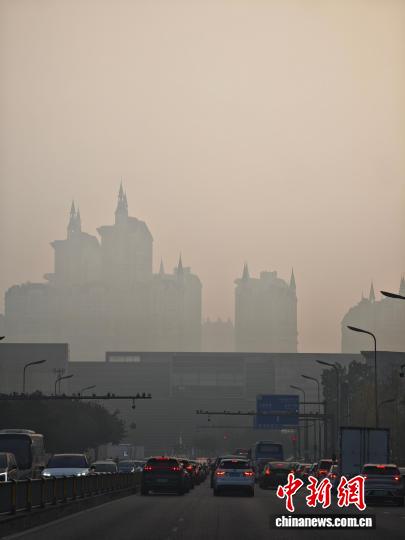
京津冀及周边发生今年秋冬季首次PM2.5污染,专家分析原因
Xin Jing Bao· 2025-10-28 12:43
Core Viewpoint - The PM2.5 pollution in the Beijing-Tianjin-Hebei region and surrounding areas has intensified since October 23, with a significant increase in pollution levels due to high emissions and adverse meteorological conditions [1][2][3]. Group 1: Pollution Trends - The region experienced a transition from "good air quality" to the first regional PM2.5 pollution event of the autumn-winter season, with PM2.5 concentrations peaking at 123 micrograms per cubic meter in Baoding on October 25 [2][5]. - The pollution spread from northern Henan to cities along the Taihang Mountains, with Baoding and Langfang reaching moderate pollution levels [2][3]. - As of October 28, the hourly PM2.5 concentration in Hebi reached 174 micrograms per cubic meter, indicating severe pollution [2][3]. Group 2: Causes of Pollution - High levels of regional pollution emissions have been maintained, with heavy-duty truck traffic increasing by 6% compared to the previous year, and 253 fire points detected in the region [3][4]. - The composition of PM2.5 during high pollution periods showed that over 40% was nitrate, indicating that industrial and diesel vehicle emissions are significant contributors [3][4]. Group 3: Meteorological Conditions - Adverse meteorological conditions, including stagnant air, high humidity, and temperature inversions, have exacerbated pollution levels, leading to a "cumulative - brief relief - intensification" pattern [4][5]. - The region experienced weak southerly winds and high relative humidity, which contributed to the accumulation of pollutants [4][5]. Group 4: Future Outlook - Air quality is expected to gradually improve starting October 30, with cities in the region implementing pollution alerts and control measures [5][6]. - The forecast indicates that from October 30 to November 2, air quality will improve to good levels due to the influence of cold air [6].