
Estate Planning

Search documents
Life Insurance in Retirement: Essential or Optional?
Investopedia· 2025-11-20 01:01
Core Insights - The article discusses the relevance of life insurance in retirement, emphasizing that the need for coverage varies based on individual circumstances and financial goals [4][26][32] Life Insurance Needs in Retirement - Life insurance may be necessary to cover final expenses, debts, estate taxes, or to leave an inheritance, but if these needs are already met, coverage may not be required [4][10][26] - Factors influencing the decision to maintain life insurance include income sources, beneficiary needs, final expense coverage, debt status, family situation, and estate planning considerations [13][14][15][16][19][21] Types of Life Insurance - Common types of life insurance relevant for retirees include term life, whole life, universal life, and burial insurance, each serving different purposes and financial strategies [10][11][12] - Term life insurance is generally more affordable for older individuals, while whole life offers cash value accumulation but at a higher cost [29][30] Financial Considerations - The average funeral costs between $7,000 and $12,000, and retirees should consider whether they have sufficient savings to cover such expenses without life insurance [15] - Over 10 million Americans aged 65 and older had a mortgage in 2022, indicating that debt can influence the necessity of life insurance in retirement [16][17] Estate Planning and Charitable Contributions - Life insurance can be strategically used to cover estate taxes or to make charitable contributions, depending on the individual's financial situation and goals [21][22] - Consulting with a qualified expert is recommended for those considering life insurance as part of their estate planning [22][33]


X @Investopedia
Investopedia· 2025-11-08 17:00
It’s a good problem to have: too much money saved for retirement and additional funds to leave to your heirs. Will you be one of the many who never spend it all? https://t.co/LOzxPtuFNr ...
Talking To Your Family About Transferring Generational Wealth | Fidelity Investments
Fidelity Investments· 2025-11-04 16:01
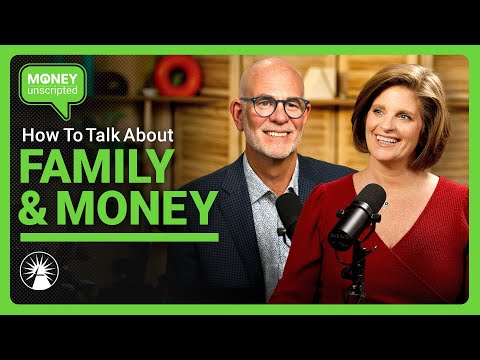
How and where do you want to live in retirement? What if you have a major health incident? And who will help you if you can’t manage your own finances as you age? These are hard questions, but the answers can impact generations of your family. That’s why Dr. Tim Habbershon, head of Fidelity’s Center for Family Engagement, says we need to stop avoiding the conversations and start talking about generational wealth and planning together. Tim joins Ally to share ways we can build the skills to have better conve ...
X @Mayne
Mayne· 2025-10-30 03:22
Lots of god advice coming out about the topic.An estate planner is good.Me personally I’m going to have them build a Lebron James themed mausoleum and bury me inside it with whatever is left after I spend it all.TJRTrades (@_TJRTrades):Get your estate done not a will you’re going to screw your family over when they take control over your assets with taxes talk to a proper estate attorney pls 🙏🏽 ...
Financial Advisor Bradley Ford Shares Insights as Estate Planning Expert in HelloNation
Globenewswire· 2025-10-29 09:58
Core Insights - Estate planning is essential for everyone, regardless of age or wealth, as it prevents the state from controlling asset distribution and causing complications for loved ones [1][2] Group 1: Importance of Estate Planning - Estate planning is not limited to creating a will; it also involves designating beneficiaries for assets such as retirement accounts and life insurance [2] - Establishing powers of attorney is crucial for allowing trusted individuals to make financial or medical decisions if one becomes incapacitated [2] Group 2: Role of Trusts - Trusts are significant in estate planning, providing benefits like privacy, flexibility, and avoidance of prolonged probate procedures [3] - Trusts can set specific conditions on inheritances, which is beneficial for protecting younger beneficiaries or those needing special support [3] Group 3: Benefits of Estate Planning - Effective estate planning offers clarity and peace of mind by clearly communicating intentions, reducing family conflicts, and alleviating stress during difficult times [4]


7 Myths About Wills and Insurance, According to Dave Ramsey’s Team
Yahoo Finance· 2025-10-26 14:04
Group 1 - Many individuals underestimate the importance of having a will and insurance, believing they do not have enough assets to warrant these protections [1] - The Ramsey Solutions team debunked seven myths about wills and life insurance, emphasizing that falling for these myths can jeopardize financial health [2] - Both young and single individuals, as well as older adults with families, require an estate plan, as ownership of any assets necessitates a will [3] Group 2 - Any adult who owns property should have a will to prevent the government from deciding the distribution of their assets, which is a responsible act for loved ones [4] - The misconception that wills are prohibitively expensive is addressed, with suggestions to utilize online services to create legally binding documents at a lower cost [4] - The Ramsey Solutions team recommends using Mama Bear Legal Forms for affordable and legitimate will creation, which meets the needs of 90% of individuals [5] Group 3 - Identity theft is a significant threat, with the FTC reporting 2.6 million fraud cases in 2023, including over 100,000 individuals who lost $10,000 or more [5] - Proactive measures, such as purchasing identity theft protection, are advised to mitigate risks associated with this type of fraud [5]
Ask an Advisor: My Husband Doesn't Have an Estate Plan. What Are the Problems That I Could Run into?
Yahoo Finance· 2025-10-20 11:00
Group 1 - The importance of estate planning is highlighted, which includes creating a will, updating beneficiary designations, and possibly establishing a trust to ensure proper asset distribution [3][4] - In community property states, a surviving spouse retains at least a 50% ownership share of assets acquired during the marriage, regardless of how the property is titled [1] - In common law states, if a spouse is not named as a beneficiary or joint owner, a formal will is necessary to identify the spouse as the inheritor to avoid complications [2][5] Group 2 - Dying without a will results in intestacy, leading to probate court involvement where state laws dictate asset distribution, typically favoring the surviving spouse and children [5] - Estate planning documents provide detailed instructions for managing health care and financial decisions, distributing assets, and paying debts [3]
When My Spouse Dies, Will I Get a Full Step-Up or Just the $250k Exemption?
Yahoo Finance· 2025-10-14 13:00
Group 1 - The surviving spouse of a deceased co-owner of a property receives a step-up in basis to the market value at the time of death, while also being eligible for a $250,000 capital gains exemption upon selling the property [1][4][6] - A step-up in basis resets the tax basis of an inherited asset to its market value at the time of the original owner's death, which can significantly reduce taxable gains for heirs [4][5] - The capital gains tax exemption for the sale of a primary residence can be up to $500,000, provided the owner has lived in the home for at least two of the previous five years [7][8] Group 2 - The basis of an asset is the amount paid for it, which is crucial for calculating taxable gains when the asset is sold [3] - The Section 121 exclusion allows homeowners to reduce or avoid capital gains tax on the sale of their primary residence, subject to certain conditions [7][8]