
伊朗核问题

Search documents
美伊谈判结束,美方向伊朗“划红线” 伊朗:不会放弃和平核工业
Xin Lang Cai Jing· 2026-02-18 08:03
00:32 美国和伊朗第二轮间接谈判17日在阿曼驻日内瓦外交代表机构内举行。特朗普的特使威特科夫和女婿库 什纳作为美方主要代表出席谈判,伊朗外长阿拉格齐率领的外交和技术代表团代表伊方出席。阿曼外交 大臣巴德尔居中斡旋。(记者:王娅楠、陈霄、沙达提;视频:黄瀚宇) 美国副总统万斯17日表示,此轮美伊谈判在部分议题上进展顺利,双方同意继续接触。美方向伊方划定 一些"红线",核心目标是"不希望伊朗拥有核武器,不希望核扩散",但伊方"尚未真正认可并愿意协商 解决"。他强调,总统特朗普在处理伊朗核问题上有多种选项,包括外交谈判和军事手段。 伊朗总统佩泽希齐扬同日说,伊朗并不寻求核武器,但也不会放弃和平核工业。据伊朗迈赫尔通讯社17 日报道,佩泽希齐扬当天表示,伊朗准备好就其核工业的和平性质接受任何形式的核查。 ...
热点问答|伊朗边谈判边军演释放何种信息
Xin Lang Cai Jing· 2026-02-18 05:56
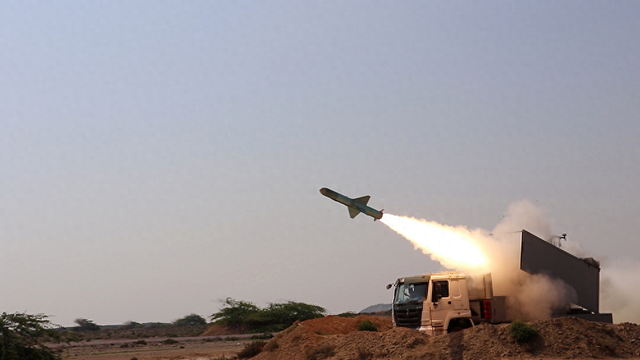
伊朗和美国17日在瑞士日内瓦举行第二轮间接谈判。与此同时,在美国不断加码对伊军事威胁的情况 下,伊朗武装力量16日至17日在霍尔木兹海峡举行实兵演习。伊美双方如何评价最新谈判进展?伊方军 演涵盖哪些内容?此次军演释放何种信息? 谈判进展如何 伊朗外长阿拉格齐率领的伊方代表团17日在瑞士日内瓦与美国代表团举行第二轮间接谈判。美国总统特 朗普的特使威特科夫和女婿库什纳作为美方主要代表参加,阿曼外交大臣巴德尔居中斡旋。 美伊官员在谈判结束后均表示,尽管分歧仍存,但谈判较上一轮取得进展,双方同意继续接触。 阿拉格齐表示,本轮谈判较上一轮取得积极进展,双方就一系列"指导性原则"达成总体共识。目前双方 立场仍存在差距,需要进一步沟通,但谈判前景较此前"更加清晰"。他表示,双方将就潜在协议文本开 展工作并交换意见,随后再商定第三轮谈判时间。 当天晚些时候,阿拉格齐在万国宫举行的裁军谈判会议上发言强调,美国应立即停止以动武威胁伊朗。 伊朗始终全面准备好抵御任何威胁或侵略行为。任何针对伊朗的攻击,其后果都不会局限于伊朗境内。 美国副总统万斯称,此轮美伊谈判在部分议题上进展顺利,双方同意继续接触。美方向伊方划定一 些"红线",核 ...

热点问答丨伊朗边谈判边军演释放何种信息
Xin Lang Cai Jing· 2026-02-18 05:56
来源:新华网 新华社开罗2月18日电 热点问答|伊朗边谈判边军演释放何种信息 新华社记者吴宝澍 伊朗和美国17日在瑞士日内瓦举行第二轮间接谈判。与此同时,在美国不断加码对伊军事威胁的情况 下,伊朗武装力量16日至17日在霍尔木兹海峡举行实兵演习。伊美双方如何评价最新谈判进展?伊方军 演涵盖哪些内容?此次军演释放何种信息? 谈判进展如何 伊朗外长阿拉格齐率领的伊方代表团17日在瑞士日内瓦与美国代表团举行第二轮间接谈判。美国总统特 朗普的特使威特科夫和女婿库什纳作为美方主要代表参加,阿曼外交大臣巴德尔居中斡旋。 据伊斯兰革命卫队海军公共关系部门发布的信息,伊朗海军在这两天的演习中展示了对霍尔木兹海 峡"24小时情报监控"、确保航行安全的能力。海军快速反应部队演练了对潜在威胁的反击能力;军舰演 练了在电子战环境下作战,发射了新型导弹,命中指定目标;无人机部队演练了在信号干扰环境下作 战,命中固定目标和移动目标。 17日,霍尔木兹海峡部分水域因伊方军演关闭数小时。伊朗伊斯兰革命卫队海军司令阿里礼萨·坦格西 里当天说,只要接到上级指令,伊朗海军随时可以关闭霍尔木兹海峡。 释放何种信息 阿拉格齐表示,本轮谈判较上一轮取得 ...
美伊第二轮间接谈判取得进展 双方同意继续接触
Xin Hua She· 2026-02-18 02:24
新华社日内瓦2月17日电(记者王娅楠)美国和伊朗第二轮间接谈判17日在瑞士日内瓦举行。美伊官员 在谈判结束后均表示,尽管分歧仍存,但谈判较上一轮取得进展,双方同意继续接触。 当天晚些时候,阿拉格齐在万国宫举行的裁军谈判会议上发言,谈及与美国的第二轮谈判,认为"一个 新的机遇之窗已经开启"。他同时强调,美国应立即停止以动武威胁伊朗。伊朗始终全面准备好抵御任 何威胁或侵略行为。任何针对伊朗的攻击,其后果都不会局限于伊朗境内。 美国副总统万斯17日表示,此轮美伊谈判在部分议题上进展顺利,双方同意继续接触。美方向伊方划定 一些"红线",核心目标是"不希望伊朗拥有核武器,不希望核扩散",但伊方"尚未真正认可并愿意协商 解决"。他强调,特朗普在处理伊朗核问题上有多种选项,包括外交谈判和军事手段。 另据一名不愿公开姓名的美方官员向美国阿克西奥斯新闻网站披露,伊朗方面提出,将在两周内带 着"详细提议"重返谈判,以期弥合美伊双方"立场上存在的一些分歧"。这名官员说,美伊当天在日内瓦 举行的谈判"取得进展",但"仍有许多细节需要讨论"。 责编:卢思宇、李萌 第二轮间接谈判在阿曼驻日内瓦外交代表机构内举行。美国总统特朗普的特使威特 ...
美伊第二轮谈判开始
Xin Lang Cai Jing· 2026-02-17 10:06
(来源:环球时报) 【#美伊第二轮谈判开始#】#美伊在核心分歧上仍互不让步# 据伊朗官方媒体最新报道,伊朗与美国今 天(2月17日)在瑞士日内瓦就伊朗核问题举行的第二轮间接谈判已经开始。伊朗高级官员对媒体表 示,伊朗在日内瓦提出真诚、建设性的建议,而维持有效谈判的关键是美国认真解除对伊朗的制裁,避 免不切实际的要求。这名官员还表示,伊朗对与美国谈判的态度是积极和认真的,但对结果没有先入为 主的看法。 美国与伊朗2月6日在阿曼首都马斯喀特举行过一轮间接谈判。从公开表态来看,双方在核 心分歧上仍然互不让步。(央视) 转自:环球时报 ...
美伊第二轮谈判已开始
Xin Lang Cai Jing· 2026-02-17 10:06
【#美伊第二轮谈判已开始#】据伊朗官方媒体最新报道,伊朗与美国今天(2月17日)在瑞士日内瓦就 伊朗核问题举行的第二轮间接谈判已经开始。伊朗高级官员对媒体表示,伊朗在日内瓦提出真诚、建设 性的建议,而维持有效谈判的关键是美国认真解除对伊朗的制裁,避免不切实际的要求。这名官员还表 示,伊朗对与美国谈判的态度是积极和认真的,但对结果没有先入为主的看法。 美国与伊朗2月6日在 阿曼首都马斯喀特举行过一轮间接谈判。从公开表态来看,双方在核心分歧上仍然互不让步。 ...
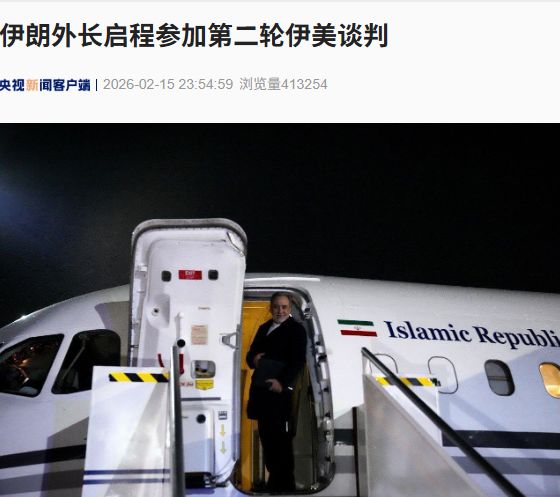
伊朗外长抵达瑞士 将与美方举行第二轮核谈判
Xin Lang Cai Jing· 2026-02-16 07:47
报道称,目前尚不清楚哪些国家会允许美方使用其领空为以色列战机加油。约旦、沙特阿拉伯和阿拉伯 联合酋长国已公开表示,他们不会允许其领空被用于对伊朗的任何袭击,也不会允许伊朗利用其领空对 别国发动袭击。 本月6日,伊朗和美国代表在阿曼首都马斯喀特举行间接谈判。双方同意继续谈判,但在核心问题上仍 然分歧严重。(完) 据《以色列时报》报道,以总理内塔尼亚胡15日在美国主要犹太人组织主席会议于耶路撒冷组织的一场 活动上表示,美国与伊朗达成的任何协议,都必须满足以下条件:一是把所有浓缩铀转移出伊朗;二是 拆除伊朗的铀浓缩设备和基础设施,使其不再具备铀浓缩能力;三是限制伊朗弹道导弹项目;四是瓦解 伊朗主导的地区反以联盟"抵抗之弧"。 两名消息人士告诉美国哥伦比亚广播公司,美国总统特朗普在去年12月会晤内塔尼亚胡时表示,如果美 国和伊朗无法达成协议,他将支持以色列打击伊朗的弹道导弹项目。 据报道,另有两名美方知情官员表示,美国军方与情报部门高层已开始讨论支持以色列对伊朗发动新一 轮打击的可能性,讨论的重点在于美国可以如何提供协助,包括为以色列战机空中加油,以及使相关国 家同意美以军机飞越其领空。 中新社北京2月16日电 据伊 ...
以总理:伊朗必须拆除核设施 美媒:若美伊谈判失败 特朗普支持以空袭伊弹道导弹设施
Mei Ri Jing Ji Xin Wen· 2026-02-16 00:36
Group 1 - The upcoming round of US-Iran negotiations is scheduled for February 17 in Geneva, Switzerland, involving key officials including US President's envoy and representatives from Iran and Oman [2] - Israeli Prime Minister Netanyahu has set a clear red line regarding Iran's nuclear facilities, insisting that any agreement must include the complete dismantling of Iran's nuclear infrastructure, not just a halt to uranium enrichment [5][6] - Reports indicate that if the US-Iran negotiations fail, former President Trump has expressed support for Israel to conduct airstrikes on Iran's ballistic missile facilities, with discussions already taking place within US military and intelligence circles on how to assist Israel [7] Group 2 - Iran's Deputy Foreign Minister has confirmed the second round of nuclear talks with the US, stating that if the US initiates another war, the consequences will be severe, emphasizing that the ball is in the US's court to prove its willingness to reach an agreement [9]
以色列划出对伊朗核问题“红线”:核设施必须拆除
Xin Lang Cai Jing· 2026-02-15 23:23
Core Viewpoint - Israeli Prime Minister Netanyahu has set a clear "red line" regarding Iran's nuclear issue, emphasizing that any agreement must include the dismantling of Iran's nuclear infrastructure, not just a pause in uranium enrichment [1] Group 1: Netanyahu's Statements - Netanyahu expressed skepticism about the upcoming nuclear talks between the U.S. and Iran, indicating a lack of trust in the negotiations [1] - He outlined Israel's bottom line, stating that any agreement must ensure the complete removal of Iran's nuclear capabilities, including the dismantling and removal of relevant equipment and infrastructure from Iran [1]
美伊新一轮谈判在即,以总理:伊朗必须拆除核设施
Xin Lang Cai Jing· 2026-02-15 23:23
Core Viewpoint - Israeli Prime Minister Netanyahu outlined clear red lines regarding post-war arrangements in Gaza and the Iranian nuclear issue, emphasizing the need for the complete dismantling of Iran's nuclear infrastructure and the disarmament of Hamas [1] Group 1: Iranian Nuclear Issue - Netanyahu expressed skepticism about the upcoming US-Iran negotiations, stating that any agreement must include the dismantling of Iran's nuclear infrastructure, not just a pause in uranium enrichment [1] - He insisted that Iran must not retain any uranium enrichment capabilities, requiring the complete removal of relevant equipment and infrastructure from Iran [1] Group 2: Hamas Disarmament - Netanyahu stated that Hamas must be fully disarmed, requiring the surrender of all weapons, not just "heavy weapons" as suggested in some media reports [1] - It is estimated that Hamas still possesses around 60,000 rifles, along with rockets and launchers, which must all be confiscated or removed from Gaza [1] - The Israeli military has reportedly destroyed approximately 150 kilometers of Hamas tunnel networks [1] Group 3: US Military Aid to Israel - Netanyahu discussed the issue of US military aid, indicating that Israel's goal is to end US military assistance after the current aid agreement expires in 2028 [1] - The existing agreement provides Israel with $3.8 billion annually, primarily for the procurement of military equipment from the US [1]