
适龄婚育

Search documents
多地七夕结婚登记预约火爆,苏超一赛区可领证结婚
Di Yi Cai Jing· 2025-08-15 10:40
Core Viewpoint - The upcoming Qixi Festival on August 29 is expected to see a surge in marriage registrations across various regions in China, with many couples already eager to secure appointments for the day [1][2][3]. Group 1: Marriage Registration Trends - Many regions have reported that online appointment slots for marriage registration on Qixi have already been fully booked, indicating high demand [2][3]. - In Hangzhou, marriage registration slots were completely booked within moments of being released on July 29, showcasing the intense competition among couples [1]. - The Ministry of Civil Affairs reported that the number of marriage registrations in the first half of 2023 increased by 10.9 million compared to the same period last year, totaling 3.539 million registrations [3]. Group 2: Policy Changes and Convenience - Recent reforms have significantly improved the convenience of marriage registration, including the removal of regional restrictions and the requirement for household registration books, allowing for nationwide processing [4]. - The new regulations, effective from May 10, 2023, facilitate marriage registration for individuals working away from their registered household locations, making the process more accessible [4]. Group 3: Innovative Registration Locations - Various cities and tourist attractions are creating new opportunities for couples to register their marriages, including temporary registration points at events like sports matches [4]. - The integration of marriage registration with tourism is being promoted, with cities developing "new landmarks" for marriage certificates [4]. Group 4: Incentives for Marriage - Several regions are introducing financial incentives to encourage marriage, such as cash rewards for newlyweds in places like Luliang City, Shanxi Province [5]. - Policies in Zhejiang Province and other areas are promoting marriage through cash bonuses and consumer vouchers for eligible couples [5].
去年我国25~29岁年龄段结婚人数最多
第一财经· 2025-07-31 01:36
Core Insights - The article discusses the recent trends in marriage registration and supportive policies in China, highlighting an increase in marriage rates and government initiatives to encourage marriage and childbirth [1][2]. Group 1: Marriage Registration Statistics - In 2024, there were 4,190 marriage registration institutions across the country, with 1,134 being dedicated marriage registration offices, processing 6.106 million marriage registrations, resulting in a marriage rate of 4.3‰ [1]. - The age group of 25 to 29 years accounted for the highest number of marriages, with 4.288 million individuals, representing 35.1% of total marriages, marking this age group as the most significant for 12 consecutive years since 2013 [1]. - In the first half of 2025, marriage registrations reached 3.539 million pairs, an increase of 109,000 pairs compared to the same period last year [1]. Group 2: Supportive Policies for Marriage - The government has been promoting suitable marriage and childbirth, with 28 provinces extending marriage leave, with Shanxi and Gansu offering the longest leave of 30 days [2]. - The extension of marriage leave is seen as a way to boost young people's travel and consumption, reflecting an improvement in benefits for newlyweds [2]. - The implementation of the revised Marriage Registration Regulations on May 10 has eliminated regional restrictions, allowing marriage registration to be conducted nationwide without the need for a household registration book, making it more convenient for individuals working away from their registered residence [2]. Group 3: Financial Incentives for Marriage - Some regions have begun offering financial incentives for marriage, such as in Lüliang City, Shanxi Province, where couples registering for marriage (both first-time registrants and the female partner aged 35 or younger) will receive a cash reward of 1,500 yuan [3]. - The Zhejiang Provincial Government has also encouraged local areas to provide marriage bonuses and consumption vouchers to eligible couples [4]. - Various localities, including places in Guangdong Province, have introduced measures to reward marriage, including gift packages of varying values [4].


去年我国25~29岁年龄段结婚人数最多
Di Yi Cai Jing· 2025-07-31 01:23
Group 1: Marriage Registration Statistics - In 2024, a total of 6.106 million marriage registrations were processed in China, resulting in a marriage rate of 4.3‰ [1] - The age group of 25 to 29 years accounted for the highest number of marriages, with 4.288 million individuals, representing 35.1% of the total [1] - The number of marriage registrations in the first half of 2025 reached 3.539 million, an increase of 109,000 compared to the same period last year [1] Group 2: Marriage Leave Policies - 28 provinces in China have extended marriage leave, with Shanxi and Gansu offering the longest leave of 30 days [2] - The extension of marriage leave is seen as a response to economic and social development, benefiting young couples by encouraging travel and consumption [2] - The implementation of the revised Marriage Registration Regulations on May 10 has eliminated regional restrictions, allowing for nationwide marriage registration without the need for a household registration book [2] Group 3: Marriage Incentives - Some regions, such as Lüliang City in Shanxi Province, are offering cash rewards of 1,500 yuan for couples registering their marriage, provided both are first-time registrants and the female is 35 years old or younger [3] - Zhejiang Province has introduced measures to encourage marriage, including the distribution of cash rewards and consumption vouchers for eligible couples [3] - Various localities, including Guangzhou and Dongguan, have also implemented marriage incentive programs, providing different types of gift packages [3]
全国已有27个省份延长婚假
第一财经· 2025-06-08 10:23
Group 1 - The core viewpoint of the article emphasizes the recent trend of extending marriage leave in various provinces in China, reflecting a response to social and economic changes [1][2][3] - Sichuan Province proposed to extend marriage leave from 5 days to 20 days, with an additional 5 days for those who voluntarily participate in premarital medical examinations [1] - At least 27 provinces have already clarified the extension of marriage leave in local regulations, with Shanxi and Gansu offering the longest leave of 30 days [1] Group 2 - The background for extending marriage leave includes the increasing urbanization and mobility of the population, leading to a rise in intercity and interprovincial marriages, particularly among young professionals in major cities [2] - The new Marriage Registration Regulations, effective from May 10, allow for nationwide marriage registration without regional restrictions, making it more convenient for individuals working outside their registered domicile [2] - Various regions, such as Zhejiang Province, are implementing measures to encourage marriage, including financial incentives like marriage bonuses and consumption vouchers [3] Group 3 - The article highlights that the encouragement of marriage and childbirth is part of a broader strategy to address demographic challenges, with local governments actively promoting marriage through various incentives [3] - The initiatives to reward marriage are seen as a way to lower the costs associated with marriage, childbirth, and education, indicating a systemic approach to demographic policy [3]
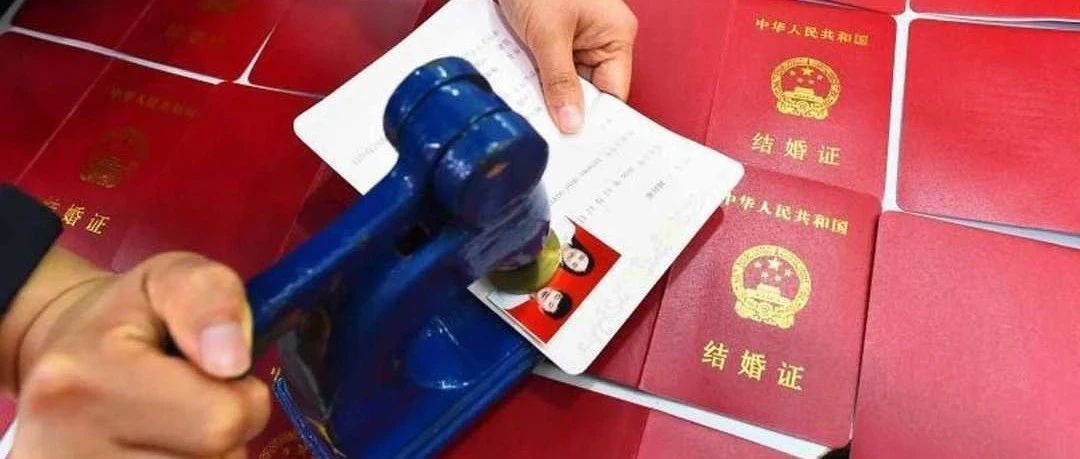
全国已有27个省份延长婚假
Di Yi Cai Jing· 2025-06-08 09:25
Group 1 - The extension of marriage leave is gaining attention, with proposals to increase it significantly in various provinces, such as from 5 days to 20 days in Sichuan, and up to 30 days in Shanxi and Gansu [2][3] - A total of 27 provinces have clarified the extension of marriage leave in local regulations, indicating a nationwide trend towards longer marriage leave [2] - The convenience of marriage registration has improved, with new regulations allowing for nationwide registration without the need for a household registration book, facilitating the process for those working away from their hometowns [3] Group 2 - Various regions are implementing incentives for marriage, such as cash rewards and consumption vouchers, to encourage marriage among eligible individuals [4] - The promotion of marriage and childbirth is part of a broader strategy to address demographic challenges and reduce the costs associated with marriage, childbirth, and education [4]