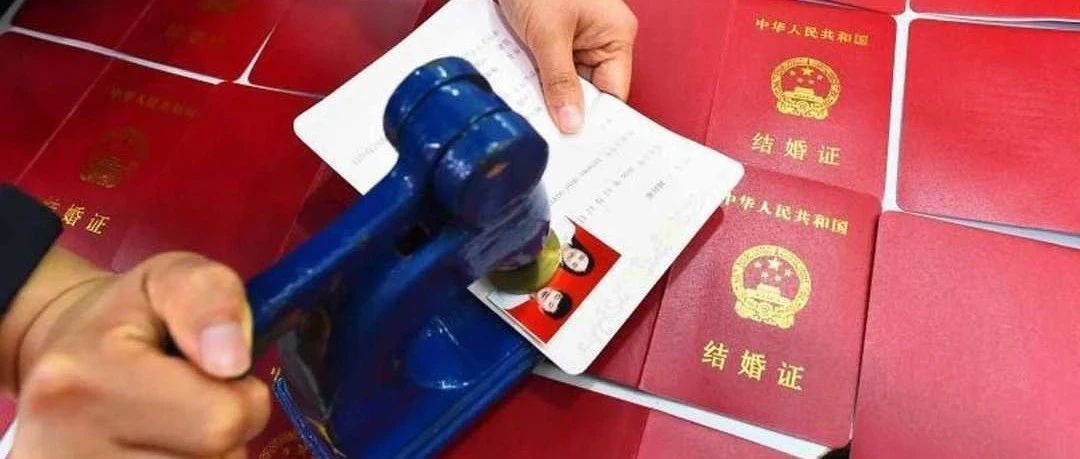
降低婚育成本

Search documents
29个省份已延长婚假!
券商中国· 2025-10-31 15:01
Core Viewpoint - The article discusses the recent initiatives in China to promote marriage and childbirth through extended marriage leave and financial incentives for newlyweds, reflecting a broader effort to build a family-friendly society and address demographic challenges [1][3][5]. Summary by Sections Marriage Leave Policies - 29 provinces in China have extended marriage leave, with some regions offering up to 30 days [2][4]. - Specific examples include Hunan extending marriage leave to 20 days, and Hubei offering 15 days [3]. - The changes in marriage leave policies are influenced by urbanization and increased mobility, necessitating longer time for couples to arrange weddings across different locations [4]. Financial Incentives for Marriage - Various regions, including Zhejiang and Shanxi, are providing financial rewards and consumption vouchers to newlyweds, with amounts ranging from 800 to 1,500 yuan [6][8]. - In Guangzhou, couples can receive up to 80,000 yuan in marriage and childbirth subsidies if both partners are local residents [8]. - These financial incentives aim to lower the costs associated with marriage and child-rearing, encouraging more young people to marry and have children [8]. Policy Context and Implications - The implementation of the new marriage registration regulations has made it easier for couples to register their marriages, further supporting the trend of increased marriage rates [4]. - The overall strategy reflects a governmental push to create a supportive environment for families, addressing demographic concerns in the face of declining birth rates [5][8].


全国已有27个省份延长婚假
第一财经· 2025-06-08 10:23
Group 1 - The core viewpoint of the article emphasizes the recent trend of extending marriage leave in various provinces in China, reflecting a response to social and economic changes [1][2][3] - Sichuan Province proposed to extend marriage leave from 5 days to 20 days, with an additional 5 days for those who voluntarily participate in premarital medical examinations [1] - At least 27 provinces have already clarified the extension of marriage leave in local regulations, with Shanxi and Gansu offering the longest leave of 30 days [1] Group 2 - The background for extending marriage leave includes the increasing urbanization and mobility of the population, leading to a rise in intercity and interprovincial marriages, particularly among young professionals in major cities [2] - The new Marriage Registration Regulations, effective from May 10, allow for nationwide marriage registration without regional restrictions, making it more convenient for individuals working outside their registered domicile [2] - Various regions, such as Zhejiang Province, are implementing measures to encourage marriage, including financial incentives like marriage bonuses and consumption vouchers [3] Group 3 - The article highlights that the encouragement of marriage and childbirth is part of a broader strategy to address demographic challenges, with local governments actively promoting marriage through various incentives [3] - The initiatives to reward marriage are seen as a way to lower the costs associated with marriage, childbirth, and education, indicating a systemic approach to demographic policy [3]