Perspective

Search documents
Flipping the Narrative | Palakh Khanna | TEDxNIIT University
TEDx Talks· 2025-07-09 15:14
Personal Growth & Development - The speaker emphasizes the importance of unlearning negative habits and thoughts to facilitate personal growth [5] - Endings should be viewed as beginnings of new chapters or restarts [6][8] - Small moments and achievements are crucial and should be appreciated as they motivate towards bigger milestones [10][11][12] - Introspection and prioritization of mental health, passions, and personal well-being are essential [14] Time Management & Perspective - The concept of inverting the hourglass is used to represent a shift in perspective on time, flow, priorities, and life [2] - The speaker encourages a flipped perspective to change everything [14]


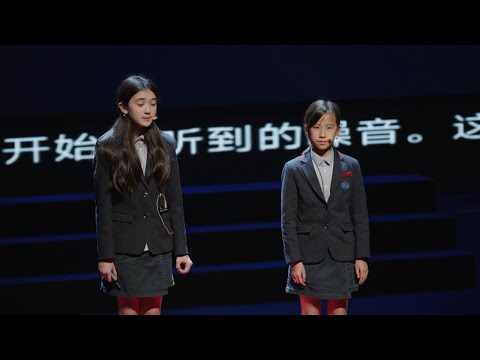
Dystopia, Utopia, and the Lens of Perspective | Arya Hung & Aya Halford | TEDxYouth@YCYWShanghai
TEDx Talks· 2025-07-08 15:26
Core Argument - The presentation explores the dichotomy of technology, questioning whether it leads to a utopia or a dystopia [2] - The answer depends on individual perspective, as technology brings both advancements and problems [3][8] - The presentation emphasizes the importance of collective effort in shaping a better world amidst technological advancements [9][10] Technological Impact - Technology has brought benefits like instant communication but also mental health issues like cyberbullying and social isolation [6] - The rapid advancement of technology can be both utopian (modern healthcare, access to knowledge) and dystopian (social media addiction, family disconnection) [7][8] Historical Context - The dial-up internet sound symbolized the start of the internet age and the promise of an information revolution [1][5] - The initial vision of the internet age was a utopia of equal opportunities and enriched human lives [5]
Overthinking: The Hidden Superpower | Maja Ocean Henell | TEDxISL Qatar Youth
TEDx Talks· 2025-07-01 15:32
Core Argument - The speech addresses the pervasive issue of overthinking and challenges the negative stigma associated with it [2] - It advocates for a shift in perspective, viewing overthinking not as a weakness but as a heightened awareness of emotions and a form of mental preparation [2] - The speaker emphasizes the importance of making the brain an ally rather than an enemy, fostering growth and preventing self-destructive cycles [3][4] Key Insights - Overthinking is presented as a common human experience, suggesting that individuals are not alone in their "what if" thoughts [2] - The speech distinguishes between the mental and physical manifestations of overthinking, acknowledging the diverse ways it can affect individuals [2] - It highlights the brain's role in managing various bodily functions and its susceptibility to feeling overwhelmed by external stressors [5] - The speaker shares a personal anecdote of overcoming overthinking by challenging negative thoughts and embracing new experiences [2][3] Actionable Advice - The speech encourages listeners to listen to themselves and work with their brains, recognizing their capabilities and limitations [6] - It stresses that changing one's relationship with overthinking is a gradual process that requires consistent effort [6] - The speaker promotes the idea that by changing perspectives and working with the brain, individuals can unlock their potential and avoid being held back by self-doubt [2][3]