Credit card interest rate cap

Search documents
Barclays shares fall as Trump calls for cap on credit card interest rates
Reuters· 2026-01-12 09:40
Shares in British bank Barclays fell on Monday after U.S. President Trump called on Friday for a cap on credit card interest rates at 10%. ...



Trump Issues Ultimatum: Lower Credit Card Rates To 10% By Jan. 20 Or Face 'Severe' Consequences For 'Violation Of The Law' - SPDR S&P 500 (ARCA:SPY)
Benzinga· 2026-01-12 07:32
Core Viewpoint - President Trump has escalated his stance against high credit card interest rates, threatening legal action against companies that do not cap rates at 10% by January 20, 2026, framing it as a violation of the law [1][2][3]. Regulatory Actions - The President's statement indicates potential regulatory crackdowns or executive actions against major credit card issuers, including Visa Inc. and Mastercard Inc., if they fail to comply with the proposed interest rate cap [4]. - The ultimatum follows a formal policy announcement where Trump proposed a "one-year cap" on credit card interest rates, citing affordability as a primary concern [5]. Market Context - The proposed 10% cap represents a significant reduction from current market averages, which are often around 25% for many consumers [6]. - The January 20 deadline is strategically set to coincide with the first anniversary of Trump's inauguration, marking it as a critical compliance date for the financial industry [8]. Industry Concerns - The recent statements come in the wake of concerns raised by billionaire investor Bill Ackman regarding credit card rewards programs, which he argues unfairly burden low-income consumers [9].

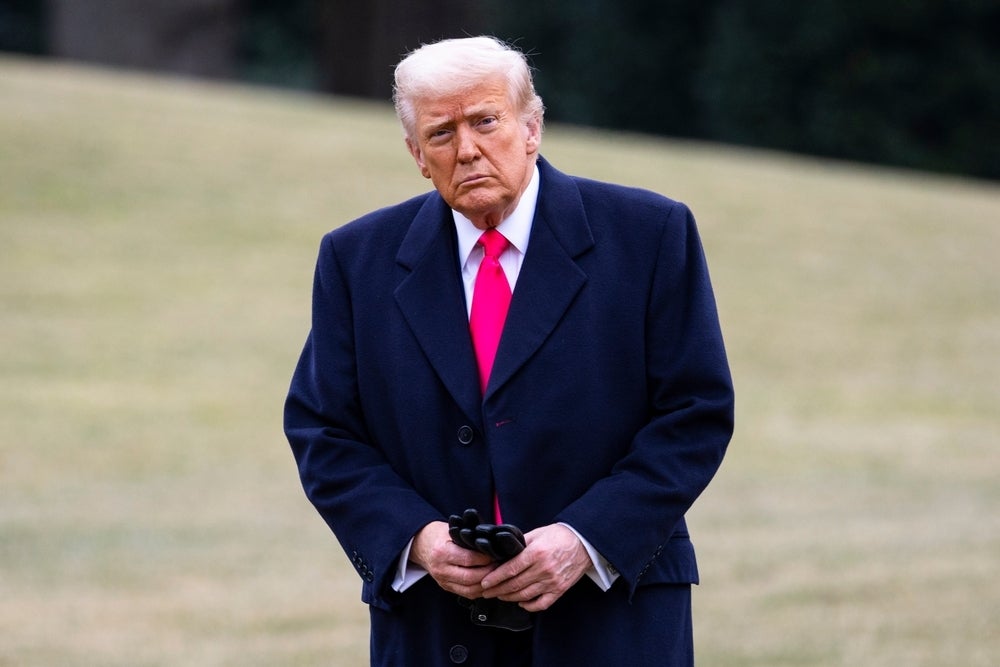
'This is a mistake President': Bill Ackman responds to Trump's call for a one-year 10% cap on credit card interest
Yahoo Finance· 2026-01-10 22:06
Core Viewpoint - Bill Ackman criticized President Trump's proposal for a temporary 10% cap on credit card interest rates, labeling it a "mistake" that could result in millions of credit card cancellations [1][5]. Group 1: Ackman's Concerns - Ackman stated that without sufficient interest rates to cover losses and provide returns, credit card lenders would be forced to cancel cards for many consumers, pushing them towards predatory lending options [2]. - He emphasized that while the goal of reducing credit card interest rates is commendable, the specific cap proposed is problematic [3]. Group 2: Trump's Proposal - President Trump announced a plan to impose a one-year cap on credit card interest rates at 10%, targeting lenders that currently charge rates between 20% and 30% [2][5]. - The implementation of such a cap would likely require Congressional approval, and it remains uncertain how the President could enact this without legislative support [2]. Group 3: Market Dynamics - Ackman noted that the credit card market is highly competitive, suggesting that enhancing competition through regulatory changes could be a more effective way to lower interest rates [4].
Trump pushes a 1-year, 10% cap on credit card interest rates and banks balk
Yahoo Finance· 2026-01-10 16:30
Group 1 - President Trump proposes a one-year, 10% cap on credit card interest rates, which could save Americans approximately $100 billion annually [1][4] - The average credit card interest rates currently range from 19.65% to 21.5%, near historical highs since the mid-1990s [5] - The credit card industry is expected to oppose the cap, despite the potential for continued profitability, as it may lead to reduced rewards and perks for consumers [4][6] Group 2 - The American Bankers Association and other banking groups argue that the cap could push consumers towards less regulated and more expensive alternatives [7] - The proposal has drawn immediate opposition from Wall Street and credit card companies, which have historically supported Trump's administration [2][6] - Senator Roger Marshall emphasizes that the initiative aims to lower costs for American families and address perceived greed within the credit card industry [8]
Trump wants to cap credit card interest rates at 10%. But such limits could harm consumers, experts warn
Yahoo Finance· 2026-01-10 15:13
Core Viewpoint - Credit cards serve as both a financial tool and a potential debt trap for consumers, with rising interest rates exacerbating the situation for those who carry a balance [1][2]. Group 1: Interest Rates and Legislative Actions - The average annual percentage rate (APR) on U.S. credit cards has increased from less than 15% four years ago to over 21% in 2024, with some consumers facing rates exceeding 30% [2]. - President Donald Trump has proposed a one-year cap on credit card interest rates at 10%, effective January 20, following a similar bill introduced by Senators Bernie Sanders and Josh Hawley that aimed to cap rates at 10% for five years [2][3]. Group 2: Industry Implications and Concerns - High interest rates on credit cards are viewed by some lawmakers as extortionate, with the intention of the proposed legislation being to reduce profits from credit card lending and provide relief to working families [4]. - Experts warn that imposing a cap on credit card interest rates could lead to unintended consequences, potentially harming those it aims to help by reducing access to credit and undermining credit card rewards programs [5]. - The ability of banks to charge rates based on the risk profile of cardholders is crucial; limiting this could disrupt the credit card industry significantly [6][7].
Trump calls for one year cap on credit card interest rates at 10%
Reuters· 2026-01-10 01:47
Core Viewpoint - U.S. President Donald Trump proposed a one-year cap on credit card interest rates at 10%, effective from January 20, but did not specify how compliance would be enforced [1] Group 1 - The proposed interest rate cap is aimed at providing relief to consumers burdened by high credit card debt [1] - The implementation date for the proposed cap is set for January 20, indicating a timeline for potential regulatory changes [1] - The lack of details on enforcement raises questions about the feasibility of the proposal and its impact on credit card companies [1]


3 Stocks That Could Win Big From a 10% Cap on Credit Card Rates
MarketBeat· 2025-03-19 11:45
Core Viewpoint - A bipartisan bill has been introduced to impose a 10% maximum limit on credit card interest rates, which could significantly impact the finance and retail sectors, creating both winners and losers in the market [1][2]. Group 1: Legislative Impact - The proposed legislation aims to address the disparity between the federal interest rate of 4.25% and the current average credit card interest rate of 23.8%, which has nearly doubled over the past decade [2]. - If passed, the cap on credit card interest rates could lead to tighter credit and lending standards from banks, potentially excluding many consumers from obtaining credit cards [3][4]. Group 2: Beneficiaries - PayPal is positioned to benefit from the potential cap as it does not rely solely on credit scores for creditworthiness, using various metrics to assess borrowers [4]. - PayPal's Working Capital service allows businesses to secure loans based on their sales transactions, which could attract underbanked consumers who may not qualify for traditional credit cards [3][4][6]. - Visa, as a payment network, would continue to generate revenue from transaction fees regardless of interest rate changes, and a lower interest rate could encourage consumers to spend more [8][9]. Group 3: Company Performance - PayPal reported that merchants typically see a 36% increase in PayPal volume after adopting its Working Capital service, indicating strong growth potential in this area [7]. - Visa's Q1 2025 revenue grew 10% year-over-year to $9.5 billion, with a 9% increase in payments volume and a 16% rise in cross-border volume, demonstrating robust performance [10]. - Walmart, as the largest retailer, stands to gain from increased consumer spending due to lower interest rates, with grocery sales accounting for 59.8% of total revenues in 2024, up 19.5% year-over-year [12][13].