
Fed independence

Search documents
This Is What Could Actually Break the Market in 2026
Youtube· 2025-12-19 17:12
Economic Outlook - The current economic data is incomplete and presents a "data fog," making it difficult to ascertain the true state of the economy, particularly regarding inflation and the labor market [2][3] - There are concerns about the sustainability of AI infrastructure spending and whether major tech companies can maintain profitability to manage their increasing debt [4] Market Sentiment - Despite uncertainties, there is some optimism in the market, with expectations that the Federal Reserve may cut interest rates in early 2026, which typically benefits market performance [7][8] - The market may experience a "Santa Claus rally," but this is uncertain and may not be significant for long-term investors [5][6] International Markets - International markets have significantly outperformed the U.S. this year, with some regions, particularly in Asia, showing gains of 50-60% [10][12] - A weaker dollar could benefit U.S. investors by amplifying profits when repatriated, making international exposure increasingly attractive [13] Investment Strategy - A cautious approach is advised for 2026, with a focus on diversification and potential exposure to international markets, as the U.S. may not remain the best investment destination [9][11] - Investors should be selective in AI investments, focusing on companies that enhance productivity rather than those heavily indebted for infrastructure buildout [15][16] IPO Market - The IPO market is expected to pick up, driven by venture capital firms seeking exits, although it will be selective, favoring strong companies [19] Risks - Key risks include the independence of the Federal Reserve, geopolitical tensions, and potential political changes that could impact market stability [20][21] - There is a concern about market overvaluation, which could lead to a significant correction if inflation reaccelerates or if the Fed has to reverse its monetary policy [24][28]

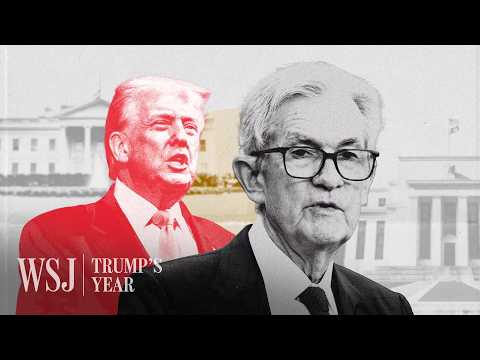
How Trump’s Fed Attacks Set the Stage for the Central Bank's Biggest Test | WSJ
The Wall Street Journal· 2025-12-17 17:00
Fed Independence & Political Influence - The Fed's independence from the White House relies on norms, not laws, and has been challenged by political interference [1] - Trump's actions, including criticizing the Fed chair and attempting to remove a governor, mark a shift in the relationship between the White House and the Fed [1][2][6] - Political control over interest rates can lead to inflation, as seen in the 1970s when President Nixon pressured the Fed [7][8] Key Events & Potential Changes - 2026 is a crucial year for the Fed, with a Supreme Court case regarding the removal of Fed governors and the end of Powell's term as chair [2][9][11][12] - The Supreme Court's decision on Lisa Cook's removal case will impact the president's power to remove Fed governors [10] - Trump's opportunity to appoint a new Fed chair in May 2026 could significantly reshape the institution [2][11] Fed's Role & Protections - The Fed's primary role is to manage the economy through interest rate adjustments [7] - The Fed's budget independence and the "for cause" removal protection for officials are legal safeguards, though potentially weaker than perceived [9] Financial Implications - Changes to the Fed's structure and independence could have significant ramifications for global finance and investors [13] - The Fed's building project cost overruns were mentioned as a point of contention, with the cost appearing to be about 3.1 billion [3][6]
Fed independence is ‘really important,' Trump ties shouldn't disqualify chair candidates: Hassett
Youtube· 2025-12-16 14:49
Group 1 - The President's discomfort in dealing with J. Pal indicates a complex dynamic within the Federal Reserve's decision-making process [1][2] - The importance of consensus among the Federal Open Market Committee (FOMC) members is emphasized for driving interest rate movements based on facts and data [3] - There have been challenges in the Federal Reserve's decision-making process over the past few years, particularly regarding the accuracy of their economic models and the rationale behind their mistakes [4][5] Group 2 - The President is recognized as a seasoned observer of the economy, which adds weight to his perspectives on monetary policy [5]

外汇与利率情绪调查:寻找信号-FX and Rates Sentiment Survey_ Searching for signal
2025-12-16 03:26
Key Takeaways from the FX and Rates Sentiment Survey Industry Overview - The survey focuses on the foreign exchange (FX) and rates market sentiment among fund managers, providing insights into investor positioning and expectations for various asset classes and economic indicators. Core Insights 1. **Divergent Views in Developed Markets (DM)**: There is limited consensus among investors in developed markets, with an equal number of respondents expressing conviction in being long versus short rates. This indicates a mixed sentiment regarding risk exposure and currency positions, particularly concerning the USD and commodities [1][4][11]. 2. **Emerging Market (EM) Optimism**: Optimism in emerging markets has reached new post-2020 highs, driven by easing geopolitical tensions and expectations of lower US tariffs on China. The anticipated tariff rate is now expected to be below 30% by the end of 2026 [11][72]. 3. **AI's Impact on Growth and Rates**: Many investors believe that AI will lead to a steeper yield curve in the US, with expectations of improved economic growth in 2026. However, there is a split opinion on the immediate effects of AI on the USD, with some anticipating depreciation [8][21][23]. 4. **Cash Positioning**: Average cash levels among investors are reported at 3.7%, indicating a cautious approach as many investors are increasing cash balances towards year-end [81]. Additional Important Points 1. **Market Reactions to Tariff Changes**: A significant portion of respondents (38%) expects a "risk on" market reaction if the Supreme Court rules against the Administration on tariffs, suggesting a potential bullish sentiment in equities [42]. 2. **Fed Rate Expectations**: Most respondents anticipate three additional Fed rate cuts, with the terminal rate expected to be around 3.0% or lower. However, there are risks that the market may be underestimating the hawkish stance of the Fed [47][48]. 3. **Currency Sentiment**: The sentiment towards the USD has turned bearish, while the Eurozone's FX sentiment has become more bullish, breaking a previous bearish trend. This shift indicates a potential reallocation of investments towards European assets [102][110]. 4. **Geopolitical Factors**: The ongoing Russia-Ukraine conflict is expected to influence market sentiment, with a plurality of respondents anticipating the war to end in 2026, which could further impact currency and commodity markets [74][75]. Summary of Key Metrics - **Tariff Expectations**: Majority expect US tariffs on China to be below 30% by end-2026, a shift from previous expectations of 30-40% [72]. - **AI Growth Impact**: AI is expected to boost growth significantly in 2026, with a steeper yield curve anticipated as a result [21][23]. - **Cash Levels**: Average cash levels at 3.7%, indicating a cautious investment approach [81]. - **Fed Rate Cuts**: Anticipation of three additional cuts, with a terminal rate expected around 3.0% [47][48]. This comprehensive analysis highlights the current sentiment and positioning within the FX and rates markets, reflecting investor concerns and expectations shaped by macroeconomic factors and geopolitical developments.
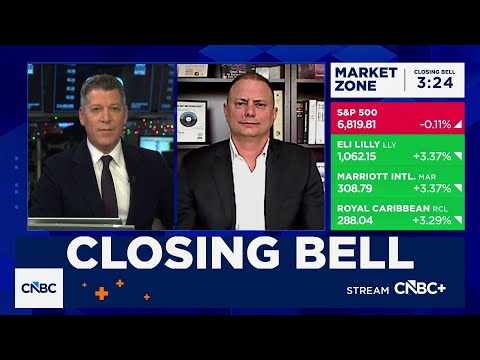
Market may stumble if economic backdrop falters in 2026, says Ned Davis Research's Ed Clissold
CNBC Television· 2025-12-15 21:25
Uh, all right, Ed. Top of your note today to our producers, we have several concerns about 2026, which is interesting because I didn't hear from a single person who was on this program yet today or for that matter anybody who was on halftime earlier who has several concerns about 2026. What gives.>> So, first of all, I want to emphasize that these are concerns that may or may not come to fruition, but we got to look ahead and see what might happen. Top of the list is what what could go on with the Fed. You ...
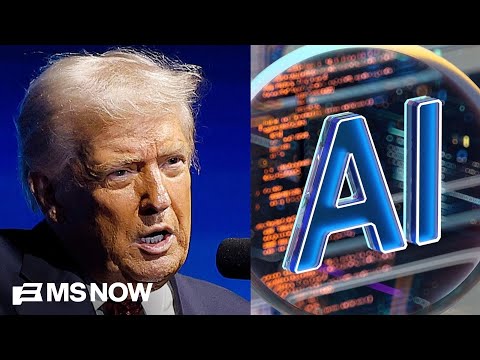
Ben Smith: Trump is betting his presidency on AI. Can he sell it?
MSNBC· 2025-12-15 19:22
Fed Policy & Economic Outlook - Potential Fed chair candidate's willingness to discuss Fed plans with the President raises concerns about Fed independence [2][3] - An independent Fed chair is crucial, even if it goes against political interests [4] - Supreme Court emphasizes the need for Fed independence [5] Tariffs & Trade - Supreme Court's decision on tariffs could significantly impact the economy, potentially requiring paybacks or halting tariffs [5][6] - The uncertainty surrounding tariffs is a major concern for businesses [7][21] - Tariffs can protect domestic industries, such as the automobile industry, from foreign competition [22][23][24] AI & Economic Growth - The current administration is increasingly focused on being known as the "AI president" [8] - AI investment is significantly boosting the US economy, potentially masking flat GDP growth if removed [14][15] - AI-related investments are benefiting various sectors, including construction, energy, and real estate [15] - A significant portion of stock market returns, particularly in the NASDAQ, is driven by a few AI-related companies [17] - The AI boom and the current administration's policies are closely linked, potentially creating a "bubble" [18] Political Implications of AI - There is a lack of coherent messaging from the White House regarding AI, leading to public concerns about data centers, electricity bills, job displacement, and children's exposure [11][12] - Politicians are starting to recognize the potential downsides and political risks associated with AI [13]
Kevin Warsh and Kevin Hassett are both 'reasonably good choices' for the next Fed chair: Mark Zandi
Youtube· 2025-12-15 16:05
Group 1 - The selection of economists for key positions is seen as reasonable, with both candidates having experience from the financial crisis, which is crucial for their roles [1][2] - The challenge lies in balancing Federal Reserve independence with presidential influence, which could complicate decision-making [2] - The bond market is expected to play a decisive role in interest rate decisions, and any aggressive moves to lower short-term rates could lead to adverse reactions from the market [3][5] Group 2 - There is anticipation of significant volatility in upcoming job reports due to external factors like the government shutdown, which may lead to unexpected data outcomes [6] - The underlying trend suggests that the economy may not be creating jobs, with indications that current job numbers could be overstated, hinting at potential job losses [7] - The rising unemployment rate amidst stable labor supply indicates a fragile economic situation, contradicting claims of resilience in the job market [8]
Hassett's Fed chair candidacy received pushback from high-level people close to Trump, sources say
CNBC· 2025-12-15 15:20
Core Viewpoint - Kevin Hassett's candidacy for the Federal Reserve chair has faced unexpected resistance, impacting his perceived chances against former Fed Governor Kevin Warsh [1][6]. Group 1: Candidacy Dynamics - Hassett was initially viewed as the frontrunner to replace Jerome Powell, but concerns about his closeness to President Trump have emerged [2][5]. - Trump's recent comments have shifted the focus to Warsh, who is now seen as a strong contender alongside Hassett [3][4]. - As of Monday, Hassett holds a 51% chance of being selected, down from over 80% earlier in December, while Warsh's odds have risen to 44% from around 11% [4]. Group 2: Market Reactions - The market's perception of Hassett has changed due to fears that he may be too aligned with Trump, potentially leading to a backlash in the bond market [6]. - Concerns have been raised that if Hassett is viewed as insufficiently aggressive in managing inflation, long-term yields could rise [6]. Group 3: Fed Independence - In response to criticism, Hassett emphasized the importance of Fed independence in a recent interview, stating that the Fed's role is to work with the Board of Governors to reach a consensus on interest rates [7]. - He clarified that the president's opinions should not carry the same weight as those of voting central bank members, indicating a commitment to data-driven decision-making [8].

The Fed just ‘Trump-proofed’ itself with a unanimous move to preempt a potential leadership shakeup
Yahoo Finance· 2025-12-12 21:34
Core Viewpoint - The Federal Reserve's early reappointment of 11 out of 12 regional bank presidents alleviated market concerns regarding the potential loss of the Fed's independence amid President Trump's calls for steeper rate cuts [1][6]. Group 1: Reappointment Details - The reappointments were announced ahead of the presidents' five-year terms ending in February, which is atypical as previous reappointments usually occurred closer to expiration dates [2]. - The only exception in the reappointment was the Atlanta Fed chief, Raphael Bostic, who had previously announced his resignation [1]. Group 2: Political Context - Recent suggestions from the Trump administration, including a proposed three-year residency requirement for Fed presidents, raised concerns about a potential leadership overhaul within the Fed [3][4]. - The balance of power on the Fed board could shift with Trump appointees, potentially allowing for a reshaping of the Fed presidents [4]. Group 3: Market Reactions - Following the reappointment announcement, the 10-year Treasury yield increased as bond investors anticipated fewer rate cuts [7]. - The Fed board currently includes three Trump appointees, with Jerome Powell's term as chairman expiring in May, and the Supreme Court's decision on whether Trump can fire Governor Lisa Cook could further influence the board's composition [7].
This isn't the first time the Fed has struggled for independence
The Economic Times· 2025-12-12 03:21
Core Viewpoint - The ongoing struggle for the independence of the Federal Reserve (Fed) from political influence, particularly under the Trump administration, has significant implications for U.S. monetary policy and long-term investment risks [2][21]. Historical Context - The Fed's independence was solidified in 1951 through the Treasury-Fed accord, which allowed it to operate independently from the Treasury and White House, enabling it to raise interest rates to combat inflation without political pressure [1][22]. - Historical parallels are drawn between the current situation and the Fed's challenges during the Truman administration, highlighting the recurring theme of political pressure on the central bank [8][22]. Current Developments - President Trump plans to nominate a new Fed chair, with Kevin A. Hassett as a potential candidate who has expressed a desire to maintain some degree of Fed independence [5][21]. - The Supreme Court is expected to address the Trump administration's attempts to influence Fed governance, including the potential firing of current chair Jerome Powell [6][21]. Economic Implications - Economists agree that central banks function best when independent from political influence, as this independence is crucial for effective inflation control and maintaining the value of the dollar [6][7][21]. - The Fed's ability to curb inflation is particularly relevant given the current economic climate, where inflation rates have been a concern [22][23]. Historical Precedents - The Fed's historical resistance to political pressure, such as during the Korean War, illustrates the importance of its independence in maintaining economic stability [14][17]. - Past instances of Fed chairs yielding to presidential pressure, such as during Nixon's presidency, serve as cautionary tales for the current administration [18][23]. Future Considerations - The outcome of the Fed's independence in the face of political pressure may become clearer by 2026, as the Trump administration's approach continues to challenge established norms [20][23].
