
Tariffs

Search documents
'Nothing has gotten better': Focus group shares affordability concerns as US debt
NBC News· 2026-08-20 20:52
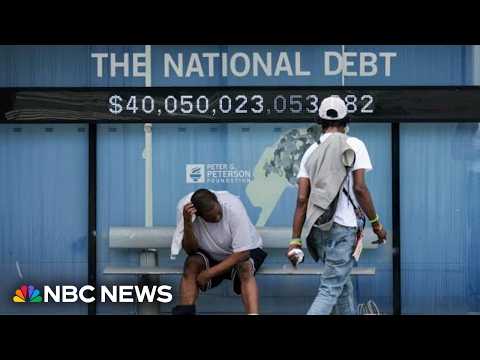
WELCOME TO MEET THE PRESS NOW I'M KRISTEN WELKER IN WASHINGTON. AS THE ECONOMY REACHES AN UNSETTLING NEW MILESTONE, THE U.S. DEBT HITTING $40 TRILLION FOR THE FIRST TIME AS PRESIDENT TRUMP CONTINUES TO FACE ECONOMIC HEADWINDS JUST MONTHS BEFORE THE MIDTERM ELECTIONS, ALL WHILE HE THREATENS WHAT HE'S CALLING ECONOMIC WARFARE AT AN UNPRECEDENTED SCALE ON IRAN. AS THAT WAR CONTINUES TO DRIVE UP ENERGY PRICES, THE DEBT HAS EXPLODED OVER SEVERAL ADMINISTRATIONS.IT ROSE NEARLY $8 TRILLION DURING THE FIRST TRUMP A ...

US Wages Economic War on Iran | Radio Balance of Power: Early Edition 8/20/2026
Bloomberg Television· 2026-08-20 19:46
>> LIVE FROM WASHINGTON DC, THIS IS BALANCE OF POWER WITH JOE MATHIEU AND KAILEY LEINZ. >> PRESIDENT TRUMP SAYS THE U.S. IS WAGING ECONOMIC WARFARE AGAINST IRAN WHILE THE TREASURY SECRETARY WAGES A WAR OF HIS OWN AGAINST HIGHER LONG-TERM RATES. WELCOME TO BALANCE OF POWER. I'M KAILEY LEINZ IN WASHINGTON WHERE THE TREASURY SECRETARY SAYS HE WILL HOLD A PRESS CONFERENCE ON MONDAY ON THE ECONOMIC LEVERS THE U.S. IS GETTING READY TO POLL TO BRING TEHRAN TO HEAL. HE ALSO SUGGEST THE BIGGER BUYBACKS THE TREASURY ...



US Set to Cut Tariffs on Canada Metals, Autos in Trade Deal
Bloomberg Television· 2026-08-20 19:11
It looks like those 50% tariffs, which were scheduled to go on hundreds of items. Uh, will will not. Although there's still some negotiating to be done.And there's a deadline that we're coming up against midnight tomorrow where that will be either. Either those tariffs will be further delayed or we will have a deal that, uh, sort of, uh, takes them off the table. Um, so not just your hockey equipment, but lots of other things, too.Things that, uh, uh, homebuilders and industrial manufacturers in the US, uh, ...

Bessent says Treasury buyback operation could be more than $4 billion
CNBC Television· 2026-08-20 15:37
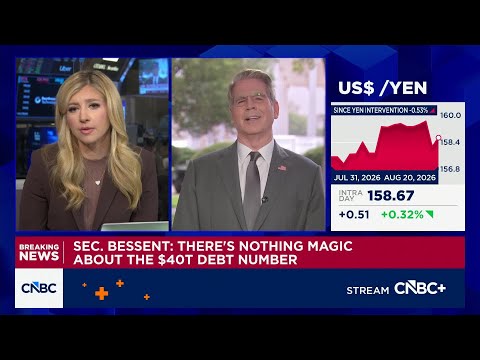
longer dated securities yesterday. And joining us now in a CNBC exclusive interview to discuss is Treasury Secretary Scott Besson. Secretary Bessant, welcome back.It's good to see you. >> Sarah, good morning. Good to see you.>> So tell talk us through what you are trying to do here by announcing the increased size of the buybacks. Yeah, the we're trying to signal that we think that this is a thinly traded area of the market that we're we're in August and uh there's been a lot of corporate issuance that's in ...
Why are so many people allowing Trump's grift? 'Corruption is mind-boggling': Professor says
MSNBC· 2026-08-20 15:28
We've said it over and over and over again The economy is top of mind for voters this midterm election. While the president has not exactly responded to warning signs at the ballot box, his administration did make moves to address an alarmed bond market. I've told you this over and over.The bond market is his true daddy. That has seen long-term yields go up in response to the war in Iran and concern over the ballooning national debt, which in turn has made it more expensive for businesses and to borrow mone ...


Morning News NOW Full Episode – Aug. 20
NBC News· 2026-08-20 14:40
>> DEVELOPING RIGHT NOW ON MORNING NEWS NOW. AMERICA DEEP IN THE RED. THE NATIONAL DEBT NOW AT A NEW HIGH CROSSING THE $40 TRILLION MARK.FOR THE FIRST TIME EVER, PRESIDENT TRUMP ALSO ANNOUNCING THE U.S. IS CLOSE TO WHAT HE CALLS A FAIR DEAL WITH OUR NEIGHBOR TO THE NORTH. AFTER PRESSING PAUSE ON 50% TARIFFS ON CANADIAN GOODS. >> WE'RE DOING CERTAIN THINGS. WE'RE GOING TO GIVE SOMETHING, AND WE'RE DOING CERTAIN THINGS SUBJECT TO THE FINALIZATION OF DOCUMENTS.WE HAVE A DEAL WITH CANADA, AND I THINK IT'S A VER ...



This Morning’s Top Headlines – Aug. 20 | Morning News NOW
NBC News· 2026-08-20 12:17
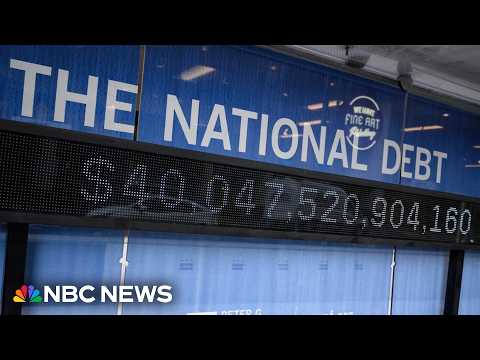
Good to have you with us. I'm Joe Frier. Savannah is on assignment.We begin this morning with growing concerns over the economic health of the US government as the country's debt levels surge. On Wednesday, new figures by the Treasury Department revealed a costly new milestone for the national debt. For the first time, that number now tops $40 trillion.Perhaps just as troubling, the debt has more than doubled in a decade. For his part, President Trump is brushing off these concerns and touting his policies, ...
Lawrence: Trump’s ‘lust for vengeance’ could cost Republicans in the House and Senate
MSNBC· 2026-08-20 03:46
distance himself from the candidates who he endorsed who lost in last night's election results. Donald Trump has been successful in some Republican primaries this year in destroying the careers of Republicans. That's all he's been trying to do so far.Donald Trump's only campaigning so far this year has been against Republicans, and it has been based purely on vengeance. New York Times columnist Jamel Bowie, in his column titled, Trump's Lust for Vengeance, says that vengeance is Donald Trump's one and only ...

X @None
Bloomberg· 2026-08-20 01:25
Canada’s preliminary trade deal with the US caught Mexican officials and business leaders off guard. Now, Mexico wants one of its own, as questions grow over whether months of painstaking engagement can deliver comparable tariff relief. https://t.co/tfPccqt2ft ...