不断不舍不离

Search documents
舍不得丢的东西是生活的底色
Xin Lang Cai Jing· 2025-12-19 17:25
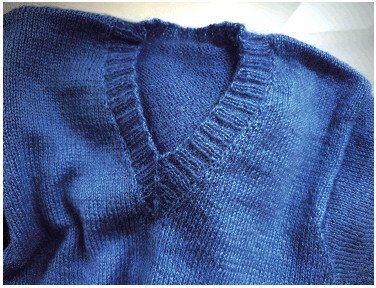
Core Perspective - The article discusses the concept of "不断不舍不离" (continuously not letting go), which serves as a tribute to the popular minimalist philosophy of "断舍离" (decluttering) and emphasizes the emotional connections people have with their belongings [5][6][7]. Group 1: Conceptual Framework - "不断" (continuously) refers to the exploration of the different states of everyday objects over time, seeking a connection between the past, present, and future [6]. - "不舍" (not letting go) examines the emotional and functional relationships between people and their belongings, advocating for sustainable practices through various methods of repair [6]. - "不离" (not parting) involves documenting and preserving everyday items using both traditional craftsmanship and modern technology [6]. Group 2: Personal Reflections - The author reflects on the joy and emotional warmth derived from personal belongings, highlighting the importance of these items as silent witnesses to significant life events [5][9]. - The narrative includes anecdotes about cherished items, such as a hand-knitted sweater from the author's mother, symbolizing love and care [8][9]. - The significance of everyday objects, like the "鸡公碗" (chicken bowl), is explored, illustrating their cultural and historical value within the context of Hong Kong's culinary heritage [10][12].

几百条手帕和发霉的试卷,如何重新审视“断舍离”?
Di Yi Cai Jing· 2025-12-19 01:46
在欧阳应霁看来,"断舍离"创造了进一步认识生活的机会,只是有人把它简单地理解为丢弃,而轻易地淘汰物 品,反而会再次掉入了消费主义的陷阱。 几年前,香港创作人欧阳应霁以"身外物"为主题,整理出了200多件物品,收集物品的档案信息,写下自己的回忆 和心情。当时他想过,写完之后就真的可以把这些东西放手了。疫情期间,大家总会去想生活中还有什么剩下的 事情未做。去年,他决定把这些物件的故事写出来,出版了新书《不断不舍不离》。 书中的66件物品,分为"身上衣""食为天""玩痛快""必有用"四章,前三章顾名思义,分别写的是服饰、厨房用具 和玩具,"必有用"则是一些"有意义"的个人收藏品。从物品照片和短文中,看得到欧阳应霁在生活方式、美食、 创意设计、绘本创作等领域的多年耕耘。 这是时隔12年后欧阳应霁再次出书,书中最后一句话点明了自己的意图:整理物品其实是回温物品见证过的情 感。"我对物件有话说,但我谈的不是物件本身,是要通过物件谈人一生经历的不同阶段,和社会的大环境。我希 望大家以物件为起点开始思考,但我首先是满足我自己。"他说。 在上海久事美术馆,欧阳应霁与香港知名广告人陈幼坚近期举办了双个展"浪奔浪流"。陈幼坚生于1 ...