主动筛查

Search documents
终结结核病的中国路径:主动筛查、医防融合与预防性治疗
第一财经· 2026-03-20 07:25
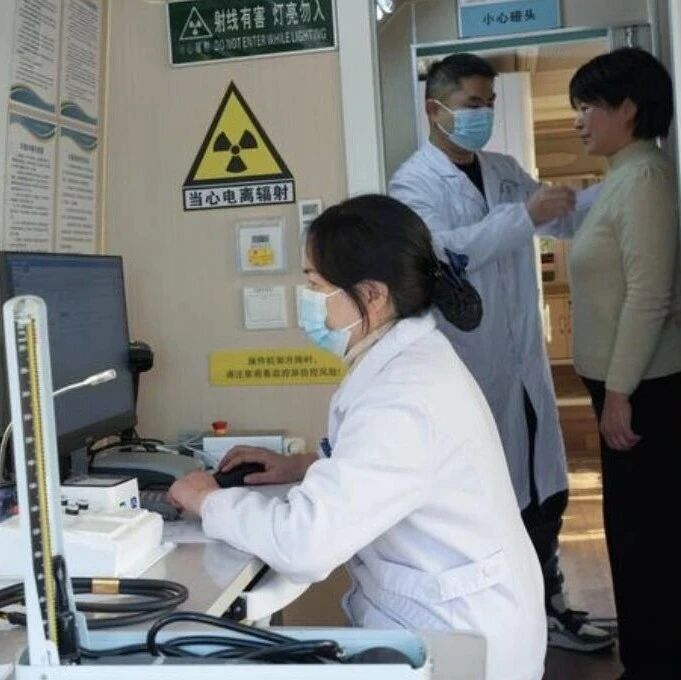
Core Viewpoint - Tuberculosis (TB) remains a significant public health challenge in China, with over 600,000 new cases reported annually despite a declining incidence rate. The country is exploring effective prevention and control strategies to achieve the global goal of ending TB epidemics [3][4]. Group 1: Transition from Passive to Active Prevention - Historically, TB control in China has relied on passive diagnosis, with over 90% of new cases identified only after symptoms appear. This approach has led to significant underdiagnosis, particularly among asymptomatic patients [5]. - The National TB Prevention and Control Plan (2024-2030) emphasizes proactive screening of high-risk populations, integration of medical and preventive measures, and preventive treatment for latent infections to block transmission at the source [5][6]. Group 2: Technological and Community-Based Innovations - Dr. Chen Zhongdan highlighted the need for more sensitive, effective, and accessible screening and treatment tools, noting that even imperfect tools can yield good results if utilized effectively [6]. - Shenzhen has developed a modern TB prevention system that integrates community health services with technology, establishing a closed-loop system for screening, diagnosis, management, and treatment [7][9]. Group 3: Successful Models in Shenzhen and Yuxi - In Shenzhen, proactive screening has led to the identification of 574 active TB cases from 37,964 screenings, with a focus on integrating TB screening into routine health checks for high-risk groups [9][10]. - Yuxi has embedded TB screening into basic public health services, achieving a significant reduction in TB incidence from 58.9 per 100,000 in 2004 to 24.14 per 100,000 in 2023, demonstrating a 59% decrease [10][12]. Group 4: Preventive Treatment as a Key Strategy - Preventive treatment for latent TB infection (LTBI) is now a core strategy in China's TB control efforts, with a focus on high-risk groups such as close contacts of infectious patients and immunocompromised individuals [14][15]. - The introduction of a six-week short-course preventive treatment regimen has shown a 69% protective effect, making it suitable for grassroots implementation [18]. Group 5: Challenges and Future Directions - Despite progress, challenges remain, including slow technology adoption, side effects of preventive treatment drugs, and resource limitations at the grassroots level [18][19]. - The need for large-scale, symptom-independent community screening is emphasized as essential for increasing coverage and blocking transmission, with historical precedents from other countries supporting this approach [20]. Group 6: Overall Progress and Goals - China's TB treatment success rate remains stable at over 90%, with increasing coverage of screening among high-risk populations and expanding preventive treatment initiatives. The country aims to achieve the goal of ending TB epidemics through a three-pronged approach of proactive screening, medical-preventive integration, and prioritizing prevention [20].

233名幼儿血铅异常背后,专家详解如何防铅治铅
21世纪经济报道· 2025-07-08 15:39
Core Viewpoint - The recent lead poisoning incident in Gansu Tianshui has raised significant public concern regarding children's lead exposure and food safety, highlighting the need for improved monitoring and prevention measures [2][5]. Summary by Sections Incident Overview - A joint investigation in Tianshui revealed that staff at Peixin Kindergarten purchased lead-containing paint online, which was then used in food preparation. The police seized the remaining paint, which was marked as non-edible [2][5]. - As of July 7, 233 out of 251 children tested at the kindergarten showed abnormal blood lead levels, with two food samples exceeding the national safety standard for lead contamination [5][6]. Health Implications - Lead poisoning poses severe risks to children, with symptoms often being subtle and initially manifesting as irritability. Long-term exposure can lead to irreversible damage, particularly to the nervous system [2][6][7]. - The absorption rate of lead in children is significantly higher than in adults, making them more vulnerable to its harmful effects [6][7]. Sources of Lead Exposure - Common sources of lead exposure include lead-based paints, substandard toys, traditional food containers, and household dust. Food accounts for 47% of lead exposure, while indoor and outdoor dust contributes 45% [9][10]. - Recent trends indicate that lead poisoning cases are often linked to traditional remedies and practices, such as the use of lead-containing powders in certain regions [10][11]. Monitoring and Prevention - Active screening for blood lead levels is crucial, as many cases are identified through routine monitoring rather than symptomatic presentation [3][4]. - The World Health Organization recommends intervention when blood lead levels exceed 50 μg/L, with the CDC suggesting a threshold of 35 μg/L [13][14]. Treatment and Management - Treatment for lead poisoning includes removing the source of exposure, nutritional support, and, if necessary, chelation therapy under medical supervision [14][15]. - Regular follow-up is essential for children with elevated blood lead levels to monitor cognitive development and potential long-term effects [14][15].