五个一点模式

Search documents
山西榆社探索“五个一点”模式 破解欠发达地区农村养老难题
Zhong Guo Xin Wen Wang· 2025-11-19 06:36
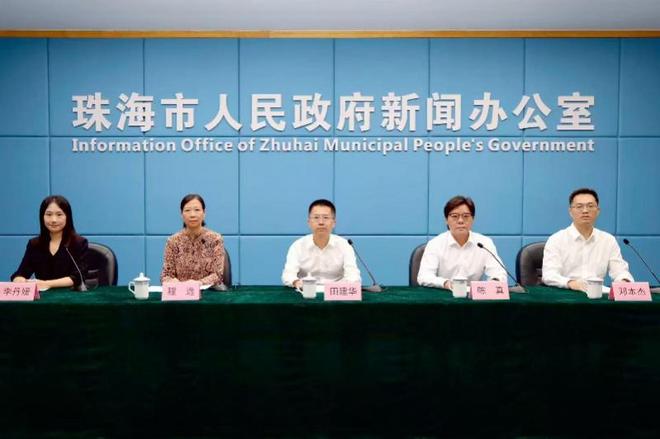
山西榆社探索"五个一点"模式 破解欠发达地区农村养老难题 新闻发布会现场。刘帅 摄 中新网晋中11月19日电 (高雨晴)如何解决欠发达地区农村居家养老问题?山西省榆社县委副书记、县长 谭国栋在日前召开的晋中市辉煌"十四五"系列主题新闻发布会上表示,"五个一点"真正为欠发达地区在 财政收入有限的情况下,探索了一个农村居家养老的可行性、可持续、可推广的模式。 目前,榆社县169个行政村建成居家养老服务驿站162个,覆盖率达95%以上,农村、社区、机构等老年 人满意度达到98%以上。(完) 来源:中国新闻网 编辑:王永乐 广告等商务合作,请点击这里 本文为转载内容,授权事宜请联系原著作权人 榆社县60岁以上人口占比21.4%,农村常住人口中60岁以上的老年人超过85%,老龄化特征明显。作为 欠发达地区、省级重点帮扶县,当地如何解决好老年人的养老问题? "过去,我们做过多种尝试,效果都不好。关键是钱从哪来,机制如何建立,如何做到可持续。"谭国栋 介绍,经过反复研究,当地摸索出"财政支持一点、集体自筹一点、个人负担一点、自力更生一点、社 会捐赠一点"的"五个一点"资金保障机制,把各方面的力量都调动起来,共同撑起居家养老 ...

重磅!香洲467个老旧小区改造时间明确
Nan Fang Du Shi Bao· 2025-10-30 10:31
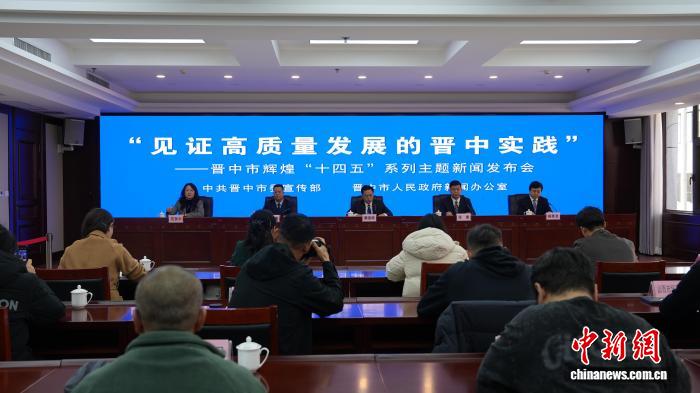
Core Insights - Zhuhai has made significant progress in the renovation of old residential communities, with nearly half of the 996 old communities undergoing transformation, benefiting over 120,000 residents, and exceeding the targets set in the 14th Five-Year Plan [1][3] Renovation Progress - Total investment exceeds 1.2 billion, with 462 old communities started and 377 completed renovations [3] - 987 buildings have undergone structural renovations, benefiting over 20,000 residents, with nearly 200 million invested [3] - 730 elevators have been installed, benefiting nearly 10,000 residents, with over 350 million invested [3] - Plans for 2025 include starting renovations on at least 64 old communities and completing at least 100 [3] Future Plans for Xiangzhou District - Xiangzhou District has 467 old communities yet to be renovated, with a three-year plan aiming for full initiation by the end of 2026 [4] - A command center has been established to oversee the renovation efforts, ensuring clear responsibilities among departments [4] Funding Solutions - Zhuhai has developed a "Five Points" funding model to address the significant financial needs for renovations [5] - The model includes: 1. Central government funding, with 487 million obtained during the 14th Five-Year Plan [6] 2. Local fiscal contributions, with 210 million allocated to district-level financial support [6] 3. Contributions from utility companies based on the principle of "who benefits, who invests" [6] 4. Resident contributions, incentivized through government subsidies for building renovations and elevator installations [6] 5. Market-oriented approaches to bundle renovation projects with community management to attract state-owned enterprises [6]