人居环境科学

Search documents
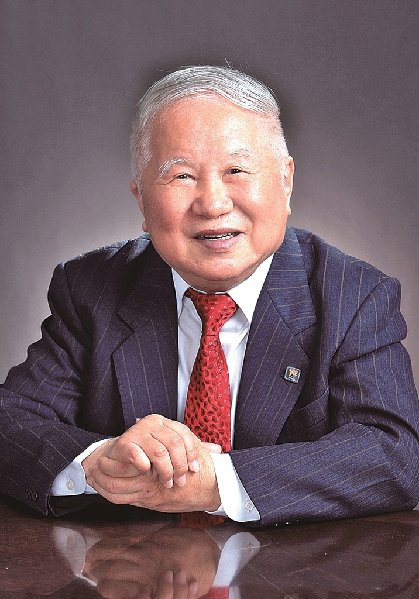
【人民需要这样的教育家29】吴良镛:谋万家安居,育天下英才
Xin Lang Cai Jing· 2026-01-09 18:42
Core Viewpoint - The article highlights the significant contributions of Wu Liangyong, a renowned architect and educator, in transforming urban living conditions in China and his dedication to nurturing future talents in the field of architecture and urban planning [3][4][6]. Group 1: Contributions to Urban Development - Wu Liangyong led the transformation of the Juer Hutong area in Beijing, which was previously known for its poor living conditions, into a modern residential community, winning the "World Habitat Award" in 1993 [3][4]. - The project involved meticulous planning, including the design of individual kitchens and bathrooms for each household, with a strict construction cost limit of 500 yuan per square meter [3][4]. - His work marked a shift in China's urban development approach from large-scale demolitions to organic renewal, influencing future urban planning practices [3][4]. Group 2: Educational Impact - Over a 70-year teaching career, Wu Liangyong has mentored 89 master's and doctoral students, many of whom have become leaders in academia, education, and management [4][6]. - He co-founded the Tsinghua University School of Architecture, which has produced thousands of professionals, continuously injecting vitality into the industry [4][6]. - Wu's teaching philosophy emphasizes understanding students' individual characteristics and interests, fostering a collaborative learning environment [9][10]. Group 3: Personal Background and Philosophy - Born in 1922, Wu Liangyong's early experiences during the war instilled in him a desire to provide safe housing for all, which became a lifelong mission [5][6]. - His approach to education and architecture is deeply rooted in practical experience, advocating for field research to address real-world issues [6][7]. - Wu's commitment to continuous learning and adaptation is evident in his active participation in research and teaching, even into his later years [8][10].