人工固氮系统

Search documents
科学家破解豆科植物与根瘤菌的共生密码
Yang Shi Xin Wen· 2026-01-08 22:56
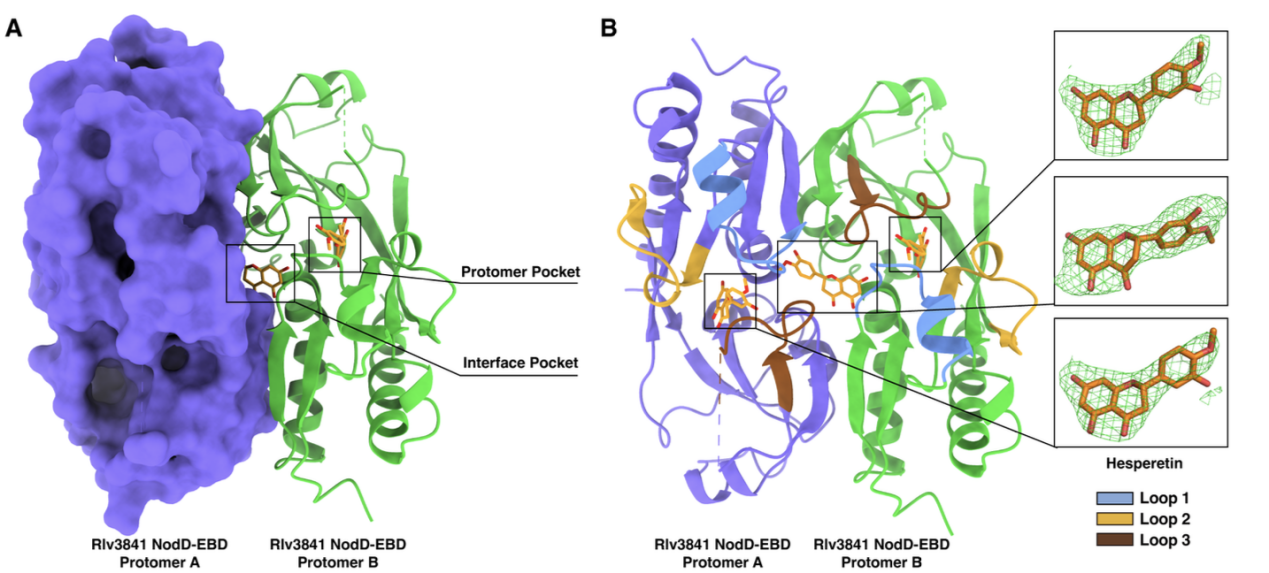
Group 1 - The research team from the Chinese Academy of Sciences successfully elucidated the high-resolution crystal structure of the NodD protein from pea root nodule bacteria in complex with flavonoid compounds (naringenin), revealing the mechanism by which NodD recognizes flavonoids and identifying key structural elements that determine signal recognition specificity [1] - The study was published online in the international academic journal "Science" on January 9 [1] - The research highlights the symbiotic relationship between leguminous plants (such as soybeans and alfalfa) and root nodule bacteria, which act as efficient natural nitrogen fertilizer factories [1] Group 2 - Further research demonstrated that by "transplanting" key amino acids responsible for signal recognition activation from alfalfa root nodule bacteria NodD1 to pea root nodule bacteria NodD, the modified pea root nodule bacteria could be successfully triggered by flavonoid signals emitted by alfalfa, exhibiting nitrogen-fixing capabilities similar to wild-type alfalfa root nodule bacteria [2] - This experiment provides direct evidence that specific amino acids on the NodD protein, akin to key notches in a lock, determine the specificity of symbiotic partner recognition [2] Group 3 - This research lays an important theoretical foundation for constructing broad-spectrum host root nodule bacteria and efficient artificial nitrogen-fixing systems [4] - Future precise modifications of the NodD protein could lead to the development of efficient nitrogen-fixing strains tailored for specific crops, enabling targeted nitrogen fixation and potentially reducing the use of agricultural fertilizers [4]