人工智能赋能研究生教育

Search documents
聚焦“AI+教育”!长三角高校专家共探研究生教改新路径
Guo Ji Jin Rong Bao· 2025-12-05 11:28
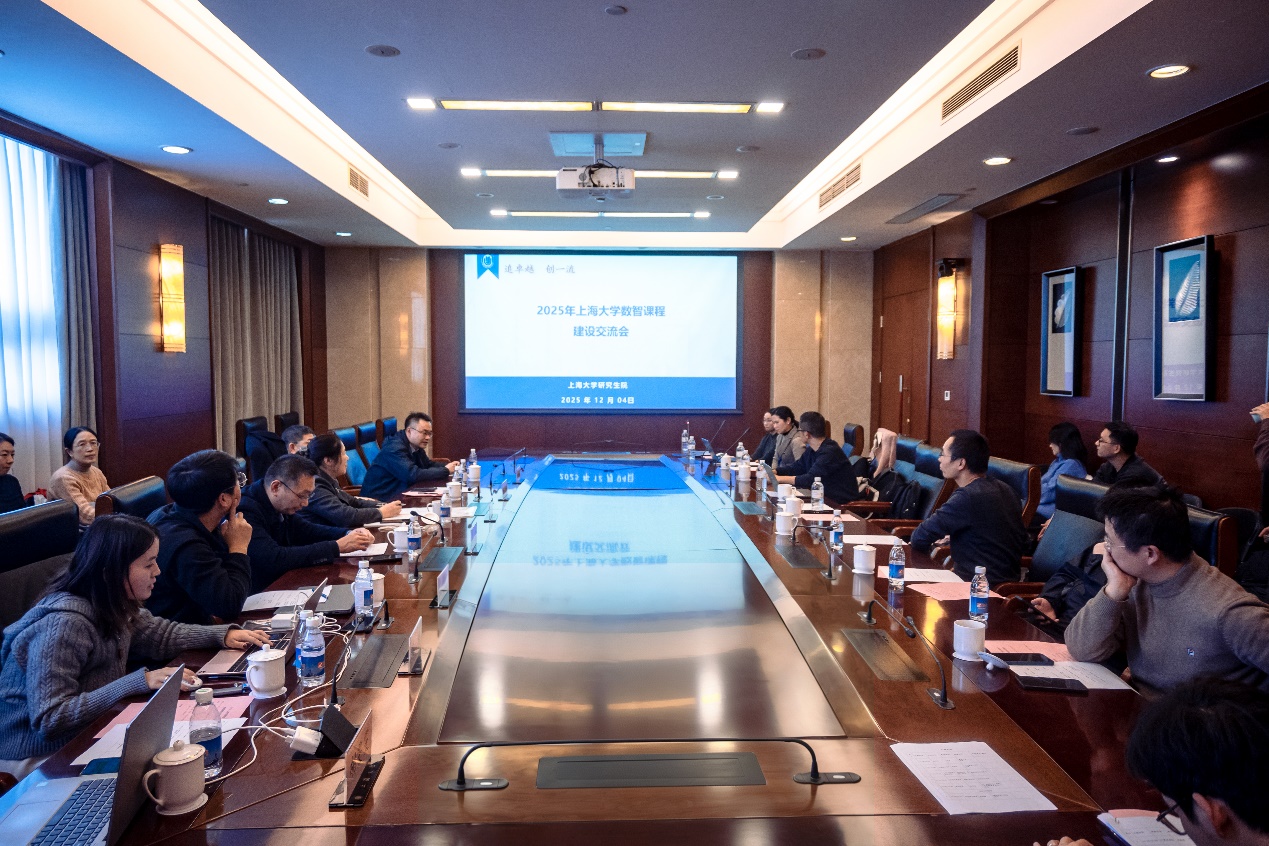
Core Insights - The seminar on "Human-Machine Collaboration: AI Empowering Graduate Education" was held at Shanghai University, focusing on the integration of AI in graduate education and innovative teaching methods [1] - Shanghai University has implemented the "AI for Education" talent cultivation reform, establishing a layered digital curriculum system with 100 AI-related graduate courses developed over the past six years [3] - The university aims to deepen industry-education integration and create a dynamic curriculum content update mechanism to enhance the quality of graduate education [3] Group 1 - Zhang Yong'an, Executive Vice Dean of the Graduate School at Shanghai University, highlighted the significant achievements in AI-related course development, with eight courses selected for the National Higher Education Smart Education Platform [3] - Professor Yu Huilai from East China University of Science and Technology discussed a three-dimensional collaborative mechanism for reshaping the knowledge system in graduate education, aligning with the national "AI+" strategy [3] - Professor Lu Tan from Fudan University shared insights on the application of AI in social sciences, emphasizing a human-centered approach for deep integration of AI across disciplines [3] Group 2 - Dr. Liu Qiang from Super Star Pan-Ya Group analyzed the current state and challenges of graduate education, introducing various technological innovations to enhance the quality of graduate training [4] - Professor Wang Gang from Shanghai University emphasized the importance of computational power and model construction in promoting interdisciplinary integration of AI [4] - Professor Guo Chunsheng from the Microelectronics College proposed a three-tiered curriculum system driven by both field expertise and AI, enhancing collaboration between academia and industry [4] Group 3 - Graduate students at the roundtable forum expressed that AI should not be seen as a competing force but rather as a collaborative partner in their studies [5] - Students shared experiences on how AI tools, such as course mapping, have improved their learning efficiency and knowledge integration [5] - The importance of maintaining independent judgment while using AI tools was emphasized by students, highlighting the need for critical evaluation of AI-generated information [5] Group 4 - The Shanghai University Graduate School officially launched the Super Star Digital Curriculum Platform, introducing 28 AI courses and online courses [6] - The university plans to continue its commitment to openness, collaboration, innovation, and pragmatism, actively contributing to the development of a first-class innovation ecosystem in Shanghai [7] - Shanghai University aims to explore new paradigms and standards for graduate education in the intelligent era, contributing to the nation's educational and technological advancement [7]