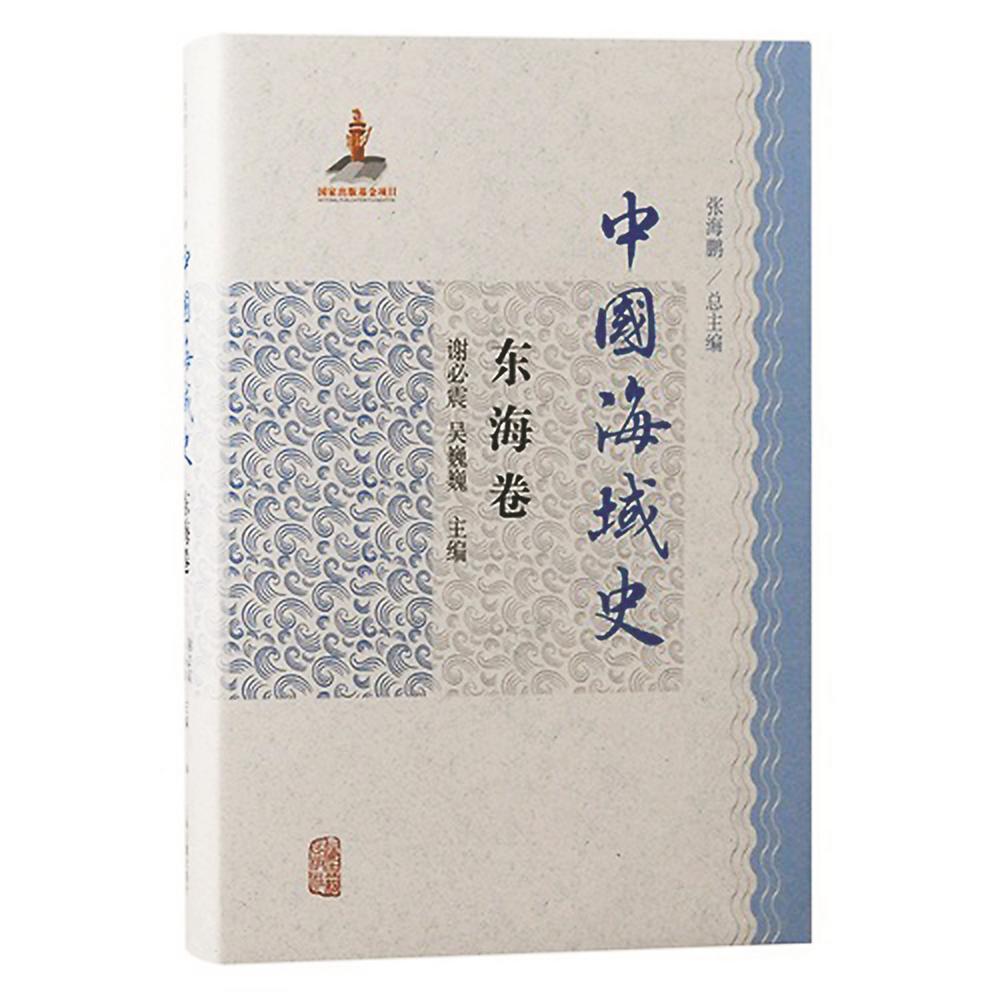
以海为脉的整体研究范式

Search documents
以海为脉 鉴往知来
Xin Lang Cai Jing· 2026-01-12 23:09
Core Viewpoint - The book "History of China's Maritime Areas: Volume on the East China Sea" presents a new research paradigm that emphasizes the importance of maritime history, breaking away from traditional land-centric perspectives and providing a comprehensive study of the East China Sea's historical evolution [2][3][7] Group 1: Research Paradigm and Historical Context - The book establishes an "ocean as the main thread" research paradigm, treating the East China Sea as an independent historical space and addressing its significance beyond mere geographical extension [3][4] - It systematically organizes the history of the East China Sea from early civilizations to the Republican period, highlighting the interactions between land and sea, and the cultural exchanges that have occurred over millennia [3][4] Group 2: Scholarly Contributions and Methodology - The authors utilize a robust methodology that combines historical documentation with archaeological evidence, drawing from primary sources such as "Ming Shilu" and "Historical Treasures" to provide a well-supported narrative [4][5] - The book includes a dedicated chapter on the sovereignty of the Diaoyu Islands, using historical records to clarify China's jurisdiction over the area, thus reinforcing territorial claims with solid academic evidence [4][5] Group 3: Regional and National Perspectives - The narrative emphasizes the central role of Fujian in the maritime history of the East China Sea, illustrating its historical significance as a core starting point of the Maritime Silk Road [5][6] - It connects local historical details with broader national maritime development, showcasing the interactions between China and neighboring countries throughout history [5][6] Group 4: Contemporary Relevance and Implications - The book provides historical insights into maritime governance and resource management, which are relevant for contemporary maritime policy and national sovereignty issues [6][7] - It underscores the importance of understanding maritime civilization as a crucial part of Chinese heritage, particularly for Fujian, in promoting marine culture and safeguarding maritime rights [6][7]