任务漂移(Mission Creep)

Search documents
美伊冲突的三种前景:投降、谈判与长期战
日经中文网· 2026-03-02 02:50
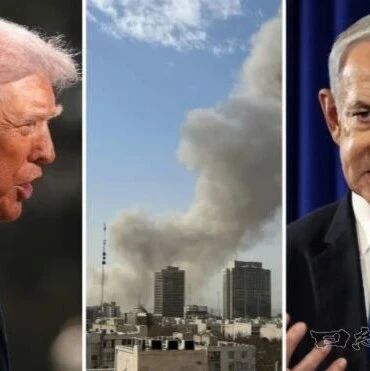
Core Viewpoint - The article discusses the escalating military conflict between the U.S. and Iran, outlining three potential scenarios for the future of this conflict, with a focus on the implications for U.S. foreign policy and regional stability [2][3]. Group 1: Scenario Analysis - **Scenario 1: Complete Surrender of Iran** The ideal outcome for the U.S. and Israel is for Iran to fully surrender, which includes abandoning its nuclear weapons program, destroying its missile defense capabilities, and ceasing support for groups like Hezbollah [3]. - **Scenario 2: Resumption of Negotiations Including Nuclear Issues** A second scenario involves the potential resumption of negotiations between the U.S. and Iran, with Trump indicating a willingness to engage with Iran's interim leadership. This could serve as a breakthrough for discussions aimed at Iran relinquishing its nuclear ambitions [6]. - **Scenario 3: Prolonged Conflict if Negotiations Fail** If negotiations break down, a prolonged military conflict could ensue. Trump has acknowledged the possibility of a long-term military engagement, emphasizing that precise bombings will continue as necessary to achieve peace in the Middle East [7]. Group 2: Military Dynamics - **Military Capabilities** Iran has a military force of approximately 610,000 personnel, significantly larger than that of Venezuela, and is considered a major military power in the Middle East. While Israel possesses advanced air capabilities, Iran has a numerical advantage in ground forces [7]. - **Potential for Escalation** As casualties increase on both sides, the likelihood of a larger conflict escalates. Analysts suggest that simply removing key figures like Khamenei will not lead to regime change, as the Revolutionary Guard is integral to the Iranian system [7]. - **Risks of Ground Involvement** There are significant risks associated with deploying ground troops to overthrow the Revolutionary Guard, which could lead to high casualties for U.S. forces and complicate the military objectives [7].