
政权更迭

Search documents
伊朗警告:将打击以色列核反应堆
中国能源报· 2026-03-05 10:13
Group 1 - Iran threatens to strike Israel's Dimona nuclear reactor if the U.S. and Israel attempt to change the Iranian regime [1] - A military official from Iran issued a warning regarding potential military action against Israel [1] Group 2 - The warning was reported by the Iranian Students' News Agency on May 5 [1] - The statement reflects ongoing tensions between Iran and Israel, particularly concerning nuclear capabilities [1]


Conflict in Iran could become much more problematic for the oil market, says Citi's Max Layton
Youtube· 2026-03-04 19:38
Core Viewpoint - The oil market is facing significant risks due to geopolitical tensions, particularly involving Iran, which could lead to escalated military actions impacting energy infrastructure and prices [2][3][4]. Price Forecast - The expected trading range for Brent crude oil is between $80 to $90, while WTI is projected to be $5 to $8 lower than Brent [2]. Market Dynamics - Energy stocks have seen inflated valuations, driven by broader market strength and expectations of a favorable economic environment in the U.S. However, there is skepticism about the sustainability of these valuations given the current oil price dynamics [5][6]. Geopolitical Risks - The situation with Iran remains precarious, with the potential for asymmetric responses to perceived threats, which could further destabilize the oil market [3][4]. Long-term Outlook - A bearish 12-month outlook on oil prices is based on a transition from a broader international conflict to a more localized risk concerning Iran, which could reduce the number of barrels at risk from 20-30 million to 2-3 million [7]. Additionally, peace deals related to the Russia-Ukraine conflict are anticipated to further influence oil prices [7].

伊朗不是委内瑞拉,特朗普面临“陷阱”
日经中文网· 2026-03-03 03:06
Core Viewpoint - The article discusses the implications of U.S. military actions against Iran, emphasizing that the Iranian leadership is likely to endure significant costs to maintain its regime, contrasting the situation with Venezuela [2][10]. Group 1: U.S. Military Actions and Iranian Response - President Trump has indicated that military actions against Iran could last for 4 to 5 weeks, aiming for regime change [3][6]. - The Iranian military, including the Islamic Revolutionary Guard Corps, remains loyal to the regime and possesses capabilities to retaliate against U.S. bases in the region [6][9]. - The Iranian leadership is expected to resist self-destruction and may seek to prolong the conflict while attempting to negotiate with the U.S. [7][10]. Group 2: Comparison with Venezuela - The article highlights that Iran's situation is fundamentally different from Venezuela's, given its larger population and military strength [5][6]. - Trump's confidence may have been bolstered by the perceived success in Venezuela, but the complexities in Iran present a higher risk of prolonged conflict [5][10]. - The potential for a quick regime change in Iran is deemed unrealistic, as the Iranian populace may not support a U.S.-backed uprising [7][10]. Group 3: Economic and Strategic Implications - The military actions have already led to increased oil prices due to disruptions in the Strait of Hormuz, affecting global energy markets [9]. - The Iranian leadership may be willing to impose high costs on neighboring pro-U.S. countries and the global economy to ensure its survival [9][10]. - The U.S. military's ability to sustain a prolonged presence in the region is questioned, especially with upcoming domestic political pressures [10].
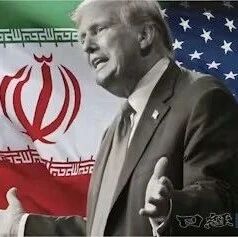
美伊冲突的三种前景:投降、谈判与长期战
日经中文网· 2026-03-02 02:50
Core Viewpoint - The article discusses the escalating military conflict between the U.S. and Iran, outlining three potential scenarios for the future of this conflict, with a focus on the implications for U.S. foreign policy and regional stability [2][3]. Group 1: Scenario Analysis - **Scenario 1: Complete Surrender of Iran** The ideal outcome for the U.S. and Israel is for Iran to fully surrender, which includes abandoning its nuclear weapons program, destroying its missile defense capabilities, and ceasing support for groups like Hezbollah [3]. - **Scenario 2: Resumption of Negotiations Including Nuclear Issues** A second scenario involves the potential resumption of negotiations between the U.S. and Iran, with Trump indicating a willingness to engage with Iran's interim leadership. This could serve as a breakthrough for discussions aimed at Iran relinquishing its nuclear ambitions [6]. - **Scenario 3: Prolonged Conflict if Negotiations Fail** If negotiations break down, a prolonged military conflict could ensue. Trump has acknowledged the possibility of a long-term military engagement, emphasizing that precise bombings will continue as necessary to achieve peace in the Middle East [7]. Group 2: Military Dynamics - **Military Capabilities** Iran has a military force of approximately 610,000 personnel, significantly larger than that of Venezuela, and is considered a major military power in the Middle East. While Israel possesses advanced air capabilities, Iran has a numerical advantage in ground forces [7]. - **Potential for Escalation** As casualties increase on both sides, the likelihood of a larger conflict escalates. Analysts suggest that simply removing key figures like Khamenei will not lead to regime change, as the Revolutionary Guard is integral to the Iranian system [7]. - **Risks of Ground Involvement** There are significant risks associated with deploying ground troops to overthrow the Revolutionary Guard, which could lead to high casualties for U.S. forces and complicate the military objectives [7].
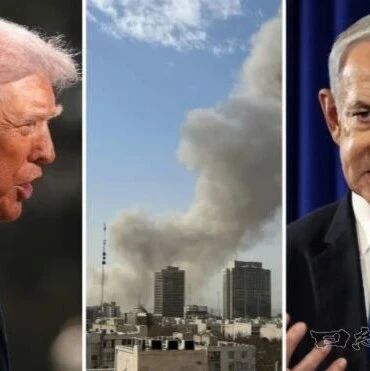
英国卫报:特朗普正努力追赶布什,争夺史上最糟糕外交决策桂冠
美股IPO· 2026-03-01 23:38
Core Viewpoint - The article critiques President Trump's recent foreign policy decisions, particularly his aggressive stance towards Iran, suggesting it may rival George W. Bush's Iraq War as one of the worst foreign policy decisions in U.S. history [1][4]. Summary by Sections Trump's Announcement - Trump released an eight-minute video declaring a significant shift in U.S. foreign policy, contradicting his previous commitments to avoid endless wars [2][4]. - He emphasized the threat posed by Iran, citing historical grievances and asserting that the U.S. would not tolerate Iran's nuclear ambitions [5][6]. Military Actions and Implications - The President indicated that the U.S. has initiated "large-scale and sustained actions" against Iran, hinting at a potential prolonged conflict [5]. - Trump acknowledged the possibility of American casualties, framing the military actions as a noble mission for the future [5][6]. Reactions and Historical Context - The article draws parallels between Trump's rhetoric and past U.S. interventions, suggesting a reckless gamble without a clear long-term strategy [7]. - It highlights the lessons from the Iraq War, noting that regime change can be easier than the subsequent stabilization efforts [7]. Conclusion - The article concludes that Trump's approach may lead to disastrous outcomes, with experts warning of the potential for significant conflict [7].
《大西洋月刊》:美国、以色列与伊朗的战争它将如何结束?
美股IPO· 2026-03-01 23:38
Core Viewpoint - The article discusses the escalation of military actions by the U.S. against Iran, highlighting President Trump's declaration of intent to change Iran's leadership and eliminate its nuclear and missile programs without congressional approval [4][5][6]. Group 1: Military Actions and Responses - The U.S. military launched a significant attack on Iran, resulting in the death of key Iranian officials, including Supreme Leader Ayatollah Ali Khamenei, and aimed at destabilizing Iran's leadership [4][5][6]. - Iran retaliated with approximately 300 missile strikes targeting U.S. bases in the region, with some missiles reportedly hitting civilian areas, including a school, resulting in casualties [3][8][10]. - The U.S. mobilized over 150 military aircraft and ships, marking one of the largest military deployments since the Iraq invasion in 2003, indicating a substantial commitment to military engagement in the region [8][10]. Group 2: Political Implications and Strategic Goals - Trump's military actions are framed as a "preemptive" strike against what he claims is an imminent threat from Iran, despite conflicting intelligence assessments within his administration [5][6]. - The article notes that Trump's ambition to overthrow the Iranian government is unprecedented and reflects a significant shift in U.S. foreign policy, aiming to achieve what previous administrations could not [6][9]. - The potential for a prolonged conflict raises concerns about the implications for U.S. military personnel and the broader geopolitical landscape in the Middle East, with Trump’s actions seen as a defining moment for his legacy [12][13]. Group 3: Regional and Global Reactions - Israel's involvement in the military operation alongside the U.S. underscores a collaborative effort to reshape the power dynamics in the region, with Israeli officials expressing support for the actions taken [7][9]. - The response from Iran and its allies, including the Houthis in Yemen, indicates a potential for broader regional conflict, although there is uncertainty about the extent of Iran's military capabilities following previous U.S. strikes [10][11]. - The article highlights the internal divisions within the U.S. administration regarding the desire for a full-scale war, with some officials cautioning against the risks of escalation and potential casualties [11][12].
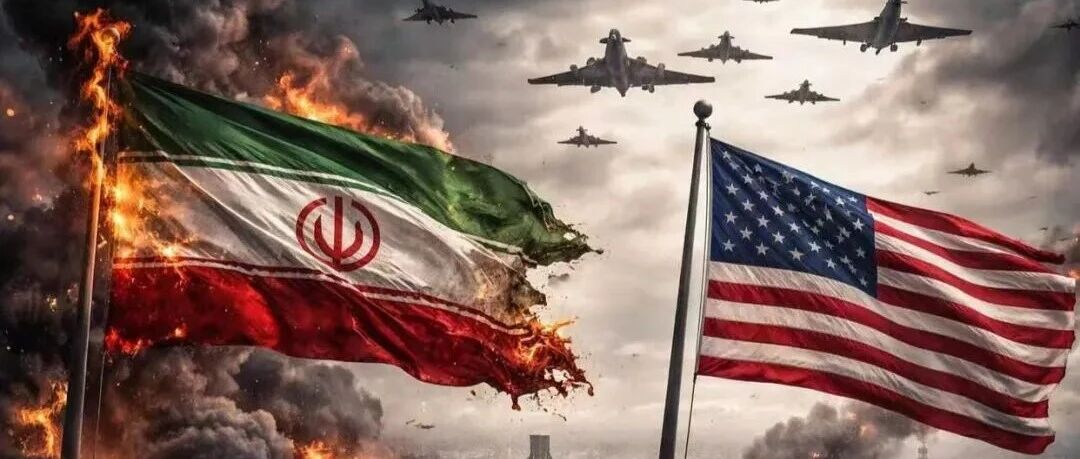
美伊局势突变-中东专家火线解读-战争影响及后续展望
2026-03-01 17:22
Summary of Key Points from the Conference Call Industry or Company Involved - The discussion revolves around the geopolitical situation in the Middle East, specifically focusing on the conflict between Israel and Iran, and the implications for U.S. foreign policy and military strategy in the region. Core Points and Arguments 1. **Military Actions and Outcomes**: Israel launched airstrikes against Iranian nuclear facilities in June 2025, with mixed assessments on the effectiveness of these strikes. Optimists believe Iran's nuclear capabilities were significantly damaged, while pessimists argue the strikes did not meet expectations [3][4][6]. 2. **Negotiations and Demands**: The U.S. and Iran engaged in three rounds of negotiations in early 2026, with the U.S. demanding Iran cease all uranium enrichment and transfer existing enriched uranium to the U.S. Iran expressed willingness to limit its nuclear ambitions but insisted on retaining some low-enriched uranium for civilian use [4][5]. 3. **Escalation of Conflict**: The current conflict is characterized by a shift from limited strikes to a potential full-scale war, with Israel aiming to overthrow the Iranian regime and the U.S. focusing on destroying Iran's military capabilities [6][7]. 4. **Iran's Response**: Iran has begun retaliating against U.S. military bases in the Middle East, indicating a potential escalation in violence and civilian casualties [8][9]. 5. **Differences from Past Conflicts**: Unlike the 2003 Iraq War, there are no indications of ground troop deployments from the U.S. or Israel, with the current strategy relying heavily on airstrikes and intelligence operations [10][11]. 6. **Potential Outcomes of Airstrikes**: The reliance on airstrikes may lead to significant damage to Iran's military capabilities, but achieving regime change without ground forces remains uncertain [11][12]. 7. **Regional Geopolitical Changes**: If the Iranian regime is overthrown, the geopolitical landscape in the Middle East could shift dramatically, with the U.S. potentially increasing its military influence and altering the balance of power among regional states [2][17]. 8. **Impact on U.S. Domestic Politics**: The military actions are influenced by the political contexts in both Israel and the U.S., with leaders seeking to bolster their positions ahead of upcoming elections [16][18]. 9. **Long-term Conflict Dynamics**: The potential for a prolonged conflict exists, especially if Iran can maintain internal stability despite external pressures. Historical parallels suggest that regime change does not guarantee immediate stability [14][19]. 10. **International Relations and Support**: The role of external powers, particularly Russia, is complicated by the ongoing Ukraine conflict, limiting their ability to support Iran effectively [20][21]. Other Important but Possibly Overlooked Content - **Civilian Impact**: Reports of civilian casualties, including children, highlight the humanitarian consequences of the conflict [9]. - **Proxy Forces and Regional Alliances**: The discussions also touch on Iran's support for proxy groups in the region, which complicates the conflict dynamics and potential resolutions [5][6]. - **Economic Implications**: The potential for Iran to block the Strait of Hormuz could have significant implications for global oil prices and shipping routes, further complicating the geopolitical landscape [12][13].
张伟团队-伊朗冲突走向何方
2026-03-01 17:22
Summary of Key Points from Conference Call Industry or Company Involved - The discussion revolves around the geopolitical conflict involving the United States, Israel, and Iran, particularly focusing on military actions and negotiations regarding Iran's nuclear capabilities and regional influence. Core Points and Arguments 1. **Differing Objectives of the U.S. and Israel**: The highest goal is regime change in Iran, while the minimum goal is to force Iran back to negotiations under unfavorable conditions through military action [1][2][3] 2. **Iran's Core Demands**: Iran seeks to retain its right to peaceful nuclear energy and refuses to link its missile capabilities and regional influence to negotiations [1][3][4] 3. **Military Strategies**: Israel focuses on long-range airstrikes to destroy Iranian missile facilities, while the U.S. aims to create a military encirclement using naval forces [1][4][5] 4. **Negotiation Stalemate**: The core disagreement in U.S.-Iran negotiations centers on three issues: nuclear capabilities, missile development, and Iran's connections to regional militant groups [4][5] 5. **Israel's Urgency**: Israel is more aggressive in pushing for simultaneous resolution of all three issues, fearing that failure to address missile and regional influence will leave it vulnerable [3][5] 6. **Military Action as Leverage**: The U.S. hopes military action will shift the internal power balance in Iran, creating conditions for future negotiations [2][3] 7. **Potential Outcomes of Conflict**: Even with regime change, the three core issues are unlikely to resolve automatically, necessitating continued negotiations [6][7] 8. **Post-War Political Arrangements**: The U.S. envisions a governance structure in Iran that balances power among various factions without reverting to strongman rule [7][8] 9. **Economic Implications**: The conflict's impact on oil prices is significant, with OPEC+ expected to respond to rising prices due to geopolitical tensions [15][17] 10. **Cost of War**: Historical data from previous conflicts indicates that prolonged military engagement could impose significant financial burdens on the U.S. [16][17] 11. **Domestic Political Pressures**: The U.S. faces internal pressures that may compel a swift resolution to the conflict, particularly in light of upcoming elections [11][17] 12. **Iran's Internal Dynamics**: The potential for civil unrest in Iran exists, with various factions possibly vying for power in the event of regime change [18][22] Other Important but Possibly Overlooked Content 1. **Risk of Prolonged Conflict**: The potential for a drawn-out conflict could lead to significant instability in the region, affecting global markets and U.S. interests [21][22] 2. **Indicators to Monitor**: Key indicators include the status of the Strait of Hormuz and oil price fluctuations, which could signal broader geopolitical shifts [19][20] 3. **Long-Term Strategic Goals**: The U.S. aims to reshape the Middle East security order, but failure to resolve the Iran issue could hinder these objectives [21][22]
美以联合袭击伊朗-火线解读
2026-03-01 17:22
Summary of Key Points from the Conference Call Industry or Company Involved - The conference call discusses the military actions taken by the United States and Israel against Iran, referred to as "Operation Epic Forever" and "Lion's Roar" respectively, indicating a significant escalation in military strategy and geopolitical dynamics in the Middle East [1][2][4]. Core Points and Arguments - **Strategic Shift**: The recent military actions represent a fundamental shift from defensive to offensive strategies, aiming to directly target the core of the Iranian regime and weaken the "axis of resistance" [2][11]. - **Iran's Preparedness**: Iran demonstrated a rapid response capability, launching missiles within two hours of the initial attack, indicating a high state of military readiness [1][7]. - **Impact on Civilian Life**: The Iranian government implemented nationwide internet restrictions to control information flow, which led to public panic, protests, and bank runs, highlighting the domestic unrest amid military actions [1][8]. - **Military Objectives**: The U.S. and Israel aim to eliminate threats to their national security, with explicit calls for regime change in Iran, although the likelihood of achieving this goal remains uncertain [2][12][22]. - **Regional Reactions**: The military actions have led to airspace closures in multiple countries, affecting flight operations and potentially increasing oil prices due to geopolitical tensions [1][10][25]. Other Important but Possibly Overlooked Content - **Iran's Counteractions**: Iran's response included launching ballistic missiles at Israel and targeting U.S. military bases in the Gulf region, indicating a systematic retaliation strategy [6][9]. - **Information Warfare**: The narrative surrounding the conflict is heavily influenced by social media and propaganda, with conflicting reports about casualties and military successes [5][8]. - **Long-term Implications**: The actions may lead to a fragmented Middle East, with increased risks of nuclear proliferation as regional powers reassess their security strategies in light of Iran's capabilities [25][28]. - **Economic Considerations**: The potential rise in oil prices and the impact on global markets are significant, as the current oil prices are considered low relative to historical standards [26][27]. - **Negotiation Dynamics**: Despite the military escalation, there remains a possibility for future negotiations, particularly if the military objectives are not met, suggesting a complex interplay between military action and diplomatic efforts [29]. This summary encapsulates the critical insights from the conference call, focusing on the strategic, military, and economic implications of the U.S.-Israel actions against Iran.
骑虎难下!智库专家:除非伊朗做出重大让步,否则特朗普将被迫开战
Jin Shi Shu Ju· 2026-02-24 08:40
Core Viewpoint - The article discusses President Trump's increasing frustration with Iran's lack of substantial concessions despite military threats and diplomatic pressure, highlighting a potential deadlock in U.S.-Iran relations and the risks of military escalation [1][5]. Group 1: U.S. Strategy and Military Posture - Trump has deployed the largest military assets to the Middle East since the Iraq War, including the USS Gerald R. Ford aircraft carrier, indicating a significant military buildup aimed at Iran [3][6]. - Despite military threats, Iran has not agreed to any form of negotiation, leaving U.S. officials perplexed about the effectiveness of their pressure tactics [4][6]. - A White House official stated that Trump is determined to prevent Iran from acquiring nuclear weapons and is weighing the risks of military action against Iran [5][6]. Group 2: Motivations Behind U.S. Actions - Trump's motivations for potential military action against Iran include the destruction of Iran's nuclear program, the incapacitation of Iranian proxy forces, and the neutralization of Iran's ballistic missile capabilities [2][3]. - There is a strong push from hardliners within Trump's circle advocating for regime change in Iran, capitalizing on what they perceive as Iran's unprecedented vulnerability [3][7]. Group 3: Domestic and International Reactions - There is a notable division among U.S. voters regarding military intervention in Iran, with a recent poll indicating that 25% of Republicans oppose military action, while 40% support it, and the majority of Democrats are against intervention [6]. - Analysts express concern that the U.S. is moving towards war without a clear strategy, with some suggesting that Trump's previous successes in Venezuela may have emboldened him regarding Iran [7].