储能企业全球化

Search documents
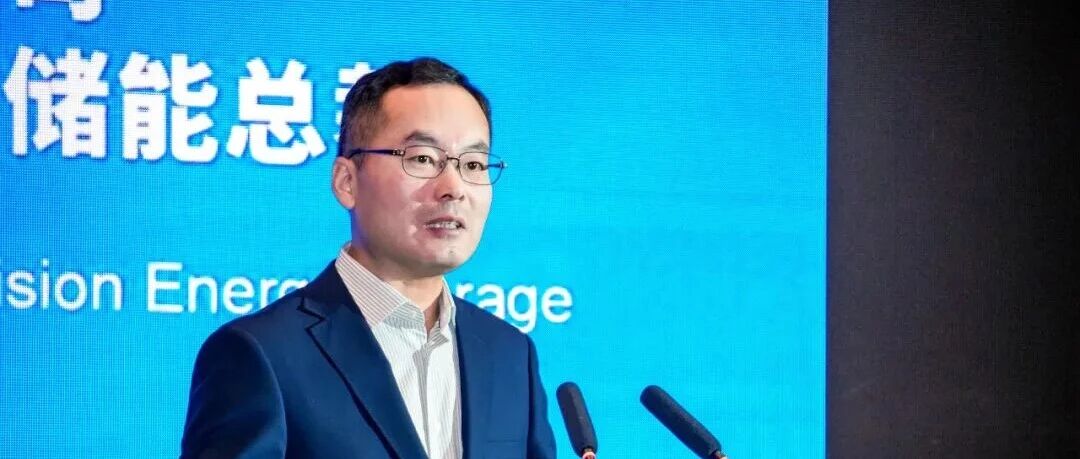
破浪·共生:远景田庆军呼吁构建全球化新生态
中国能源报· 2025-12-10 06:13
Core Viewpoint - The global mission of Chinese energy storage companies is to transition from "going out" to "integrating in," emphasizing the need for deep localization and international talent to succeed in the global market [1][5]. Group 1: Globalization of Energy Storage - Chinese energy storage companies must expand internationally as a survival necessity, driven by the industry's inherent global nature [3]. - China is the largest country for new energy storage installations, but the mature business models in high-value overseas markets and the rapid expansion of emerging markets create a complementary global landscape [3]. - Chinese energy storage batteries hold over 90% of the global market share, with eight out of the top ten system integrators being Chinese, highlighting a strong supply chain advantage [3]. Group 2: Risks in Global Expansion - The journey abroad is not without challenges; companies face three major risks: 1. Policy entry risks exemplified by U.S. tariffs and the EU's "battery passport" [3]. 2. Technical solution challenges arising from differentiated demands across countries [3]. 3. Internal competition leading to industry harm and long-term losses due to unhealthy practices [3]. Group 3: Strategic Recommendations - To address these challenges, companies should adopt a philosophy of deep localization and international talent development, as demonstrated by the successful global operations of companies like Envision [5]. - Envision's model of "global layout, local delivery" is crucial for securing overseas orders, with over 50% of its workforce being international talent across more than 80 manufacturing and R&D centers [5]. - The industry should foster a "co-opetition" relationship, moving beyond zero-sum games to leverage collective strengths and enhance the overall advantage of the Chinese supply chain [5]. Group 4: Role in Global Energy Transition - Chinese companies should position themselves as "technology partners" and "ecosystem builders" in the global energy transition, rather than mere commercial players or resource exploiters [6]. - The value of these companies lies in supporting countries to achieve their energy strategic goals, focusing on long-term value over short-term pricing to earn global respect and contribute meaningfully to energy transitions [7].

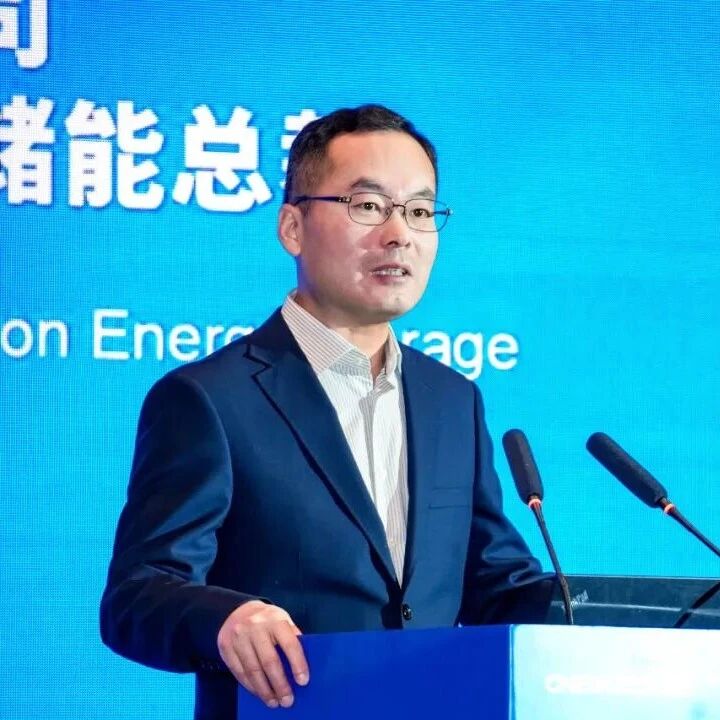
远景田庆军:储能 “生而全球化”,中国企业必须以 “竞合” 替代 “内卷”
中关村储能产业技术联盟· 2025-12-09 08:42
Core Viewpoint - The article emphasizes that for Chinese energy storage companies, going global is not an option but a necessity for survival, driven by the industry's inherently global nature [4]. Group 1: Globalization of Energy Storage Industry - The speaker highlights that China has become the world's largest new energy storage installation country, but the mature business models in overseas high-value markets and the rapid expansion of emerging markets create a complementary global landscape [4]. - Chinese energy storage batteries hold over 90% of the global market share, with eight out of the top ten system integrators being Chinese, indicating a strong supply chain advantage [4]. - The need for global resource allocation and scenario-based innovation is underscored, as diverse global scenarios demand technological innovation [4]. Group 2: Risks of Going Global - The speaker warns that going global is not a "gold mine" and companies must recognize three major risks: policy entry risks represented by U.S. tariffs and the EU's "battery passport," technical solution challenges due to differentiated demands from various countries, and internal competition leading to industry health damage and long-term loss of interests [4][6]. - The speaker specifically points out that malicious competition below cost ultimately harms the entire industry's interests and may cause China to miss the historical window for global industry output [4]. Group 3: Strategies for Success - To address these challenges, the speaker shares the operational philosophy of transitioning from "going out" to "integrating in," focusing on deep localization and international talent reserves [6]. - The company has established a global layout with over 50% of its employees being international talents, distributed across more than 80 manufacturing bases and R&D centers worldwide, which is crucial for winning overseas orders [6]. - The speaker calls for the establishment of a "co-opetition" relationship within the industry, advocating for dialogue mechanisms and self-regulatory standards to promote collaboration based on complementary capabilities [6]. Group 4: Role of Chinese Companies - The speaker believes that the role of Chinese companies should be as "technology partners" and "ecological co-builders" in the global energy transition, rather than as "commercial bystanders" or "resource plunderers" [8]. - The value of companies lies in assisting various countries in achieving their clear energy strategic goals, emphasizing the importance of long-term value over short-term pricing to earn global respect and genuinely contribute to the energy transition [8].