全氟和多氟烷基物质

Search documents
日本兵库县部分居民血液中“永久性化学物”超标
Xin Lang Cai Jing· 2026-01-17 03:19
Core Viewpoint - Recent investigations in Japan reveal that residents in Hyogo Prefecture have elevated levels of perfluoroalkyl and polyfluoroalkyl substances (PFAS), raising health concerns and prompting local advocacy groups to urge government action [1][2] Group 1: Investigation Findings - A survey conducted by a local organization found that 18 out of 54 residents tested had PFAS levels exceeding safe limits, representing over 30% of the participants [1] - The source of drinking water for approximately 30% of the residents in the affected area is the Akashi River, which has previously shown significantly elevated PFAS levels according to a 2019 government study [1] Group 2: Health Implications - Experts warn that long-term consumption of water contaminated with PFAS may adversely affect reproductive health and child development, potentially leading to serious diseases such as breast and prostate cancer [1] Group 3: Broader Context - Since the beginning of 2023, similar cases of PFAS contamination have been reported in Okinawa, Osaka, and Tokyo, with many of these areas located near U.S. military bases and Japan's Self-Defense Forces bases, which are suspected as potential sources of pollution [2]
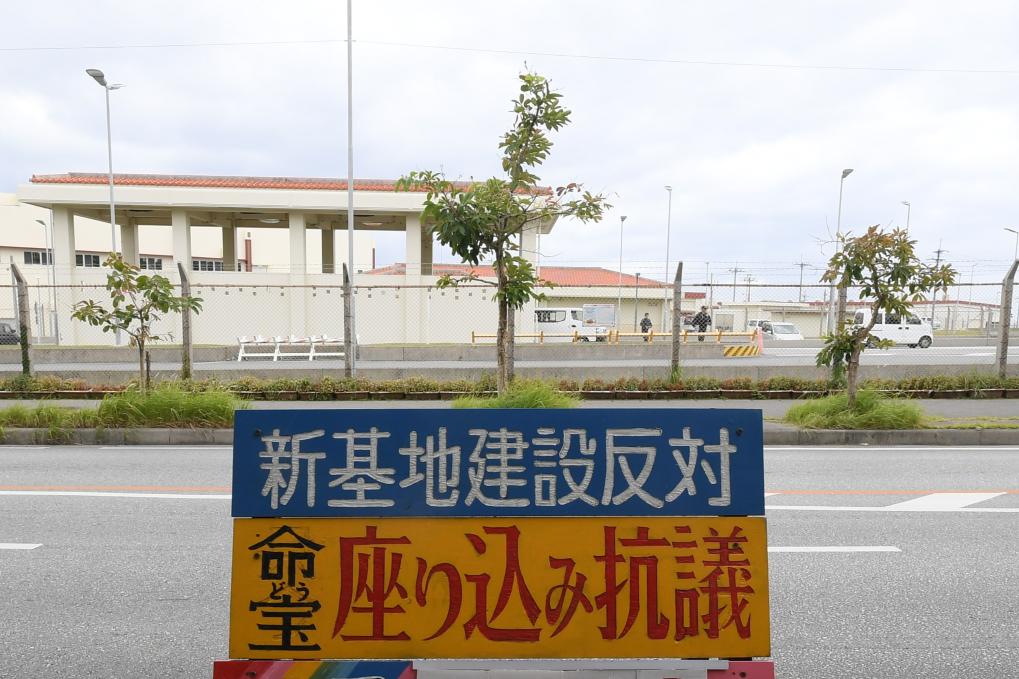
日本申请进驻日美军基地调查污染源 美军:不同意
Zhong Guo Xin Wen Wang· 2025-12-23 02:15
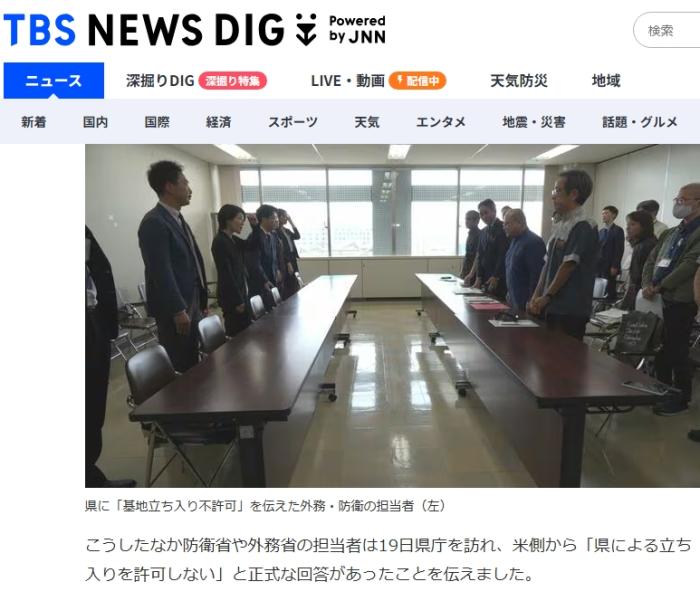
Core Viewpoint - The U.S. military has officially rejected Japan's request to investigate potential pollution sources related to per- and polyfluoroalkyl substances (PFAS) detected near U.S. military bases in Okinawa, despite multiple requests from local authorities since 2016 [1][3][6] Group 1 - The Japanese Defense Ministry communicated to Okinawa Prefecture that the U.S. military has formally declined the request for an investigation into pollution sources [1][3] - Okinawa Prefecture has made four requests since 2016 to enter U.S. military bases for investigations, but has not received a response until now [3][6] - The U.S. military cited a lack of scientific evidence linking the bases to the contamination and noted the absence of unified standards for assessing water and soil sample pollution levels [3][6] Group 2 - Experts in Okinawa have concluded that the U.S. military bases are likely sources of the contamination, and the prefecture will continue to seek access for investigations [6] - PFAS are a group of thousands of chemical substances that are persistent in the environment and human body, often referred to as "forever chemicals" [6] - The U.S. Centers for Disease Control and Prevention (CDC) has indicated that these substances may lead to various health issues, including kidney cancer and elevated cholesterol levels [6] - Recent water quality investigations in Okinawa revealed that PFAS levels exceeded safety limits in two locations near U.S. military bases [6]

日本申请了近10年,美军正式回复:不同意
中国能源报· 2025-12-20 09:26
Core Viewpoint - Japan's request to investigate pollution sources at U.S. military bases in Okinawa has been formally rejected by the U.S. military, despite concerns over elevated levels of per- and polyfluoroalkyl substances (PFAS) detected in local water bodies [1][3][5]. Group 1: Background and Context - Since 2016, Okinawa Prefecture has made four requests to enter U.S. military bases to investigate pollution sources, all of which have gone unanswered until now [3]. - On December 19, the Japanese Ministry of Defense communicated to Okinawa that the U.S. military has officially declined the request for an investigation [1][3]. Group 2: Reasons for Rejection - The U.S. military cited a lack of scientific evidence proving that the military bases are the source of the contamination, and noted that there is no unified standard between Japan and the U.S. for determining whether water and soil samples are contaminated [3][5]. Group 3: Health and Environmental Concerns - PFAS are a group of thousands of chemical substances that are difficult to degrade and can accumulate in humans and the environment, often referred to as "forever chemicals" [5]. - The U.S. Centers for Disease Control and Prevention (CDC) has indicated that these substances may lead to various health issues, including kidney cancer, testicular cancer, and elevated cholesterol levels [5]. Group 4: Local Response and Future Actions - Okinawa's environmental department has stated that experts have concluded that the U.S. military bases are likely sources of the pollution, and the prefecture will continue to seek access to conduct investigations [5].

日方申请进入美军基地调查污染源 美军:拒绝!
Xin Lang Cai Jing· 2025-12-19 18:23
Core Viewpoint - The U.S. military has officially rejected Japan's request to investigate pollution sources at military bases in Okinawa, despite evidence of contamination from per- and polyfluoroalkyl substances (PFAS) in nearby water bodies [1][2]. Group 1: Pollution Issues - Multiple U.S. military bases in Okinawa have been found to have water bodies with PFAS levels exceeding safety standards, with one spring near Kadena Air Base showing concentrations 32 times higher than Japan's provisional national standard [1]. - Since 2016, Okinawa Prefecture has made four requests to enter U.S. military bases for pollution investigations, all of which have gone unanswered until the recent formal rejection [1]. Group 2: U.S. Military's Position - The U.S. military claims there is no scientific evidence linking its bases to the contamination and that there are no unified standards between Japan and the U.S. for determining pollution levels in water and soil samples [1]. - The U.S. military also declined a request for an environmental investigation at the Futenma Air Station, stating it would not be conducted [1]. Group 3: Historical Context - Similar incidents of PFAS contamination have occurred at other U.S. military bases in Japan, including at Yokota Air Base, where at least seven wastewater leakage incidents were reported from 2010 to 2023, with the U.S. military denying responsibility [2].
驻日美军基地周边水体检出高浓度化学物 冲绳县设立专门委员会研究对策
Xin Hua She· 2025-08-28 03:41
Core Viewpoint - The Okinawa Prefectural Government is establishing a special committee to study the health impacts of per- and polyfluoroalkyl substances (PFAS) detected in water bodies around U.S. military bases, following alarming contamination levels [1][2]. Group 1: Health Impact and Research - A recent investigation revealed that out of 46 testing sites around U.S. military bases, 28 showed PFAS levels exceeding safety standards, indicating the military bases as potential pollution sources [1] - In a 2023 study, 40% of 387 residents living near the bases had elevated PFAS levels in their blood, with some areas reporting over 60% of residents with abnormal results [1] Group 2: Government Response and Actions - The Okinawa Prefectural Government plans to collaborate with the Japanese central government to determine whether to conduct blood tests for all residents [2] - The newly formed committee will consist of public health experts, epidemiologists, and clinicians to discuss the health effects of PFAS and formulate countermeasures [1]
日本多地检出永久性化学物
第一财经· 2025-08-21 04:18
Core Viewpoint - A recent study in Japan indicates the widespread presence of per- and polyfluoroalkyl substances (PFAS) in sewage sludge from 34 wastewater treatment plants, suggesting potential nationwide contamination [3]. Group 1: Research Findings - Researchers from Kyoto University analyzed sludge from 34 out of approximately 2,200 wastewater treatment plants across Japan, confirming the presence of PFAS in all sampled locations [3]. - PFAS are known as "forever chemicals" due to their persistence in the environment and accumulation in human bodies, raising concerns about public health and environmental safety [3]. Group 2: Government and Public Response - The study's findings have prompted calls for the Japanese government to establish regulations regarding the levels of PFAS in sewage sludge [3]. - Since 2023, areas such as Okinawa, Osaka, and Tokyo have reported elevated PFAS levels in water bodies, with abnormal blood test results among nearby residents, particularly near U.S. military bases and Japan's Self-Defense Forces bases, which are suspected sources of contamination [3]. Group 3: Community Actions - Multiple civic groups in Japan have repeatedly requested investigations into pollution issues related to U.S. military bases, but these requests have not been addressed effectively [4]. - On the 12th of this month, a civic group in Okinawa submitted another application for an investigation into alleged pollution from the U.S. Futenma base affecting surrounding water bodies [4].
日本34家污水处理厂污泥中检出有机氟化合物
Xin Hua Wang· 2025-08-21 02:44
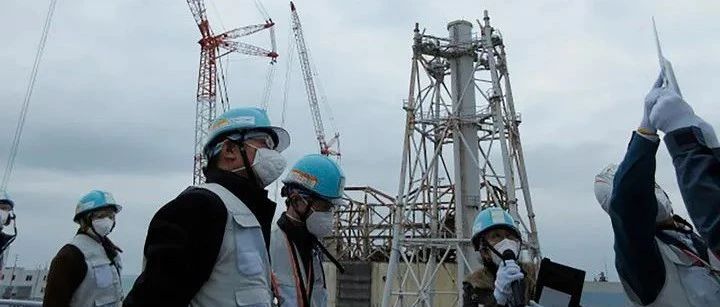
Group 1 - A recent study in Japan has detected per- and polyfluoroalkyl substances (PFAS) in the sludge of 34 wastewater treatment plants, indicating potential nationwide contamination [1] - The study involved analysis from 34 selected plants across Japan, confirming the presence of PFAS in all samples [1] - Researchers emphasize the need for the Japanese government to establish regulations regarding the levels of PFAS in wastewater sludge based on these findings [1] Group 2 - In 2023, areas in Okinawa, Osaka, and Tokyo have reported elevated levels of PFAS in water bodies, with abnormal blood tests among local residents [3] - The contamination is suspected to be linked to nearby U.S. military bases and Japan's Self-Defense Forces bases, which are viewed as potential pollution sources [3] - Local citizen groups have repeatedly requested investigations into pollution issues related to U.S. military bases, but these requests have not been addressed [3]