凡人微光

Search documents
凡人微光照亮了时光的隧道
Xin Lang Cai Jing· 2025-12-30 00:29
Group 1 - The article highlights the importance of ordinary people's acts of kindness and bravery in everyday life, showcasing various instances where individuals selflessly helped others in need [2][3] - It emphasizes that these small yet significant actions contribute to a sense of warmth and community, enhancing the overall charm of the Guangdong region [3] - The narrative suggests that the essence of humanity and kindness is timeless, serving as a guiding principle for society [3] Group 2 - The article reflects on the rapid passage of time and how it influences perceptions, linking it to the human experience and the significance of shared moments [1] - It notes that despite the fast pace of life, the collective goodwill and beauty found in everyday actions remain a constant source of inspiration [2] - The piece concludes by asserting that the spirit of kindness and beauty should be universally acknowledged and celebrated [2][3]
七年一梦,舞台剧《繁花》终季票房破400万
Di Yi Cai Jing· 2025-11-04 04:33
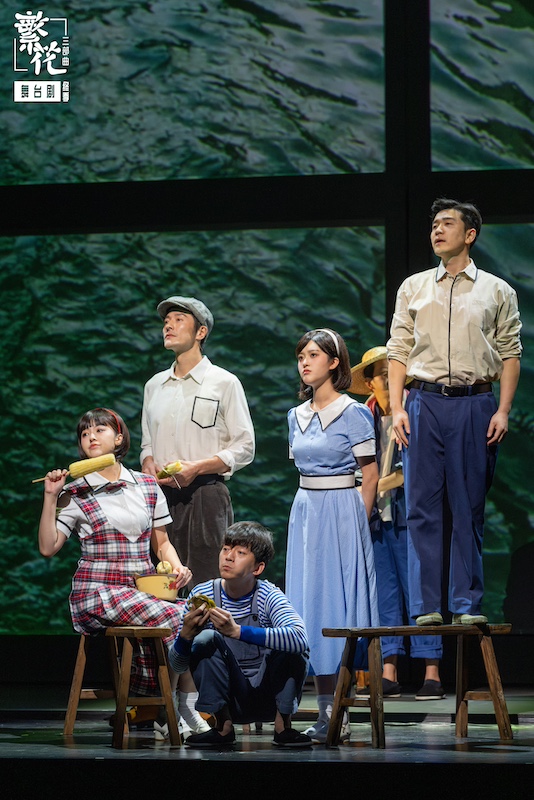
Core Insights - The stage play "Blossoms" has been performed since January 2018, spanning seven years and presented in a trilogy format that intertwines literature and drama [1][3] - The final season of "Blossoms" was performed from October 28 to November 2, achieving a 90% attendance rate and grossing over 4 million yuan [1] - The trilogy has seen over 120 performances and attracted more than 100,000 audience members, touring from Shanghai to Beijing and Hong Kong [1] Summary by Sections Production and Reception - "Blossoms" is adapted from the novel by Jin Yucheng, depicting the intricate lives of Shanghai citizens through detailed storytelling [3] - The final season focuses on the character Xiao Mao and his interactions with friends from the 1990s, showcasing their life changes and emotional struggles [3][5] - The production involved deep collaboration with the original author, ensuring fidelity to the source material, with many character monologues taken directly from the novel [5] Artistic Direction - The director Ma Junfeng emphasized the challenge of concluding the trilogy, aiming to meet the audience's long-held expectations [8] - The final season's aesthetic centers around the theme of "light," symbolizing hope and the human experience, as articulated by Ma Junfeng [8][9] - The stage design for the final season utilized a twelve-grid format to represent the complexities of human life, allowing for a multifaceted narrative presentation [9][11] Thematic Elements - The narrative explores the struggles of ordinary individuals against life's challenges, highlighting their resilience and emotional depth [11][14] - The conclusion of the play features a powerful silence, contrasting with the earlier lively scenes, and incorporates a poem by Mu Dan that resonates with the overall themes of the story [13][14] - The play ultimately reflects on the bittersweet nature of life, suggesting that even in sorrow, there is a glimmer of hope and connection among people [14]