制造业A to H上市

Search documents
境外上市备案监管审核视角下的制造业A to H关注的法律问题分析
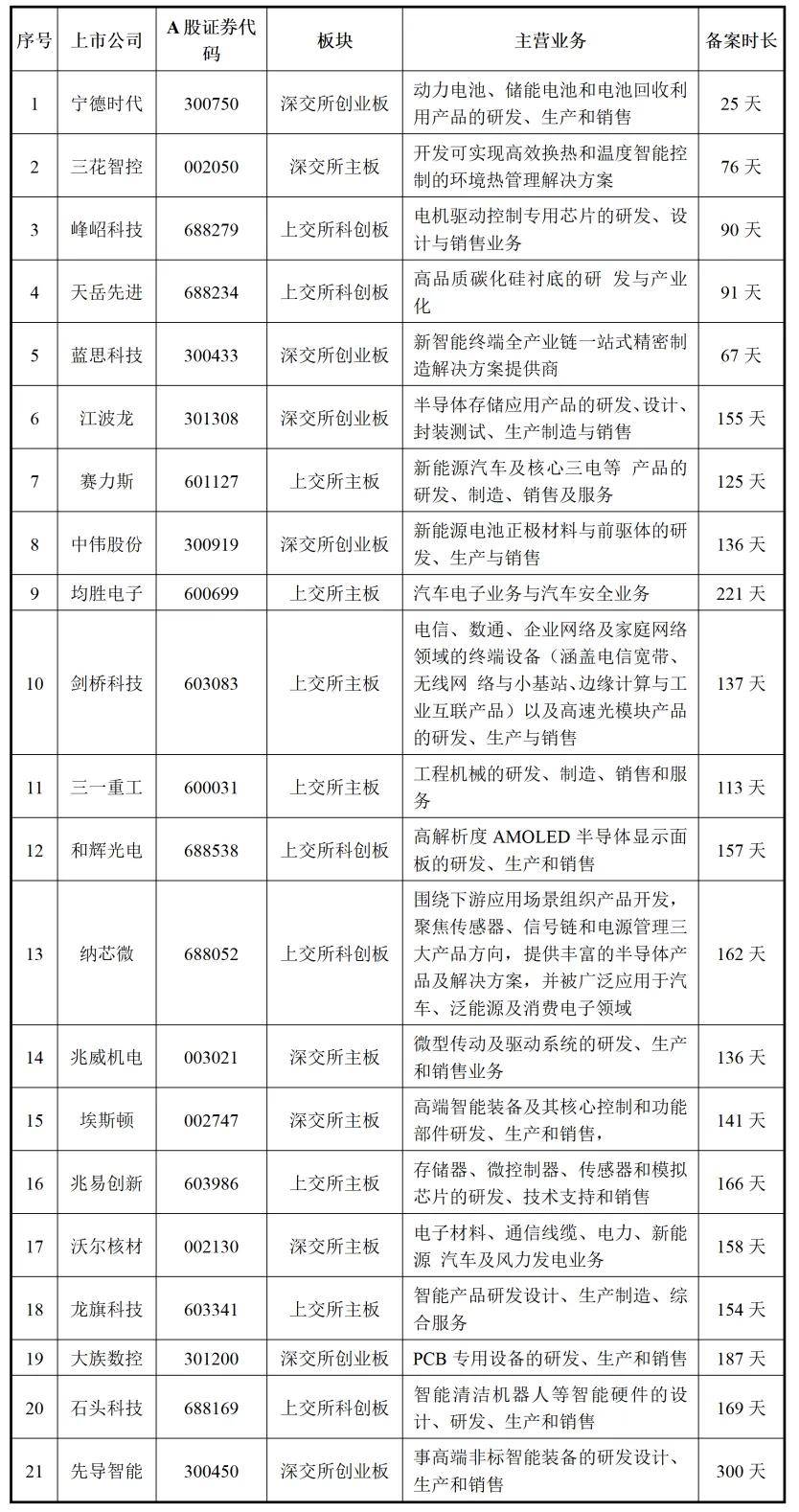
Sou Hu Cai Jing· 2026-02-24 13:11
Core Viewpoint - The A to H listing model for manufacturing A-share companies is becoming a significant pathway for expanding financing channels and achieving global layout, driven by the optimization of overseas listing filing management, the recovery of the Hong Kong stock market, and the release of domestic companies' overseas financing needs [1][2]. Group 1: Overview of H-share Filing Situation in 2025 - In 2025, over 160 A-share listed companies disclosed plans for listing in Hong Kong, with more than 90 formally submitting applications to the Hong Kong Stock Exchange [2]. - By the end of 2025, 33 A-share companies received filing approval from the China Securities Regulatory Commission (CSRC), with 19 successfully achieving A+H listings, a significant increase from 3 in 2024 [2]. - The total fundraising amount for the 19 companies that successfully listed in Hong Kong reached approximately 139.99 billion HKD, with CATL alone raising 35.66 billion HKD, indicating strong recognition from overseas capital markets for high-quality domestic manufacturing enterprises [2]. Group 2: Filing Duration and Characteristics - The average filing duration for companies directly applying for Hong Kong listings in 2025 was approximately 190 days, while manufacturing A-share companies had an average duration of about 141 days, which is lower than the overall average [3]. - High-end advanced manufacturing companies experienced longer filing durations due to special regulatory matters involving core technologies and controlled items [3]. Group 3: Legal Issues and Compliance Suggestions - The filing review for A to H companies in the manufacturing sector focuses on universal legal issues such as cross-border compliance and market access, which all manufacturing companies must address [6][7]. - Specific legal concerns for high-end advanced manufacturing companies include core technology transfer and management of controlled items, necessitating tailored compliance strategies [6][16]. Group 4: Common Legal Issues in Filing Review - Key areas of regulatory focus include compliance with overseas investment and foreign exchange registration, ensuring that companies have fulfilled necessary procedures and that their funding sources are legal [8][9]. - Companies must also ensure that their business scope does not involve industries restricted or prohibited for foreign investment, as outlined in the negative list [10][11]. Group 5: Data Security and User Information Protection - With the implementation of laws regarding cybersecurity and data protection, companies involved in information content products must ensure compliance with user data collection, storage, and security management [13][14]. - The review process emphasizes the need for companies to have robust data security management systems and to comply with regulations regarding data transfer, especially if it involves cross-border data [15]. Group 6: Differentiated Regulatory Focus for High-end Advanced Manufacturing - High-end advanced manufacturing companies face unique regulatory scrutiny regarding core technology protection, management of dual-use items, and compliance with technology export regulations [16][17]. - Companies must establish comprehensive systems to protect core technologies and ensure compliance with relevant export control laws to mitigate risks associated with technology leakage and unauthorized transfers [16][17].